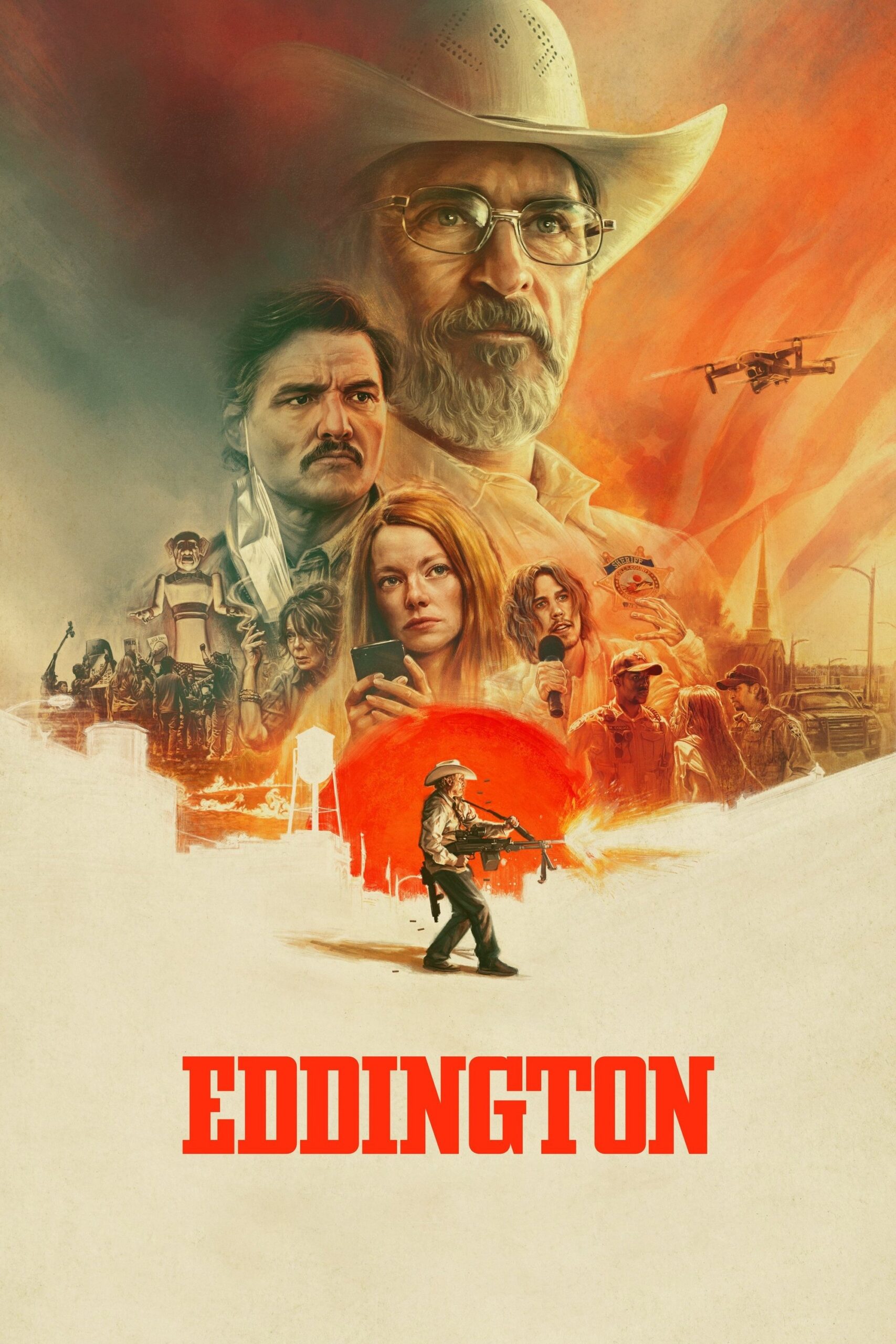
From the twisted mind of writer/director Ari Aster springs Eddington, his surrealist (or is it?) nightmare time capsule comedy. And thanks to our friends over at Production Designers Collective, stick around after the screening for a very special Q&A with the film’s Production Designer–Elliott Hostetter (The Neon Demon, Bones & All).
In May of 2020, a standoff between a small-town sheriff and mayor sparks a powder keg as neighbor is pitted against neighbor in Eddington, New Mexico. Hindsight is 2020.
Starring an all-star cast of Joaquin Phoenix, Pedro Pascal, Emma Stone, and Austin Butler, the film debuted at this year’s Cannes Film Festival and was released just this past Summer.
This event will be an official part of International Production Design Week.
Read More
Do you like scary movies?
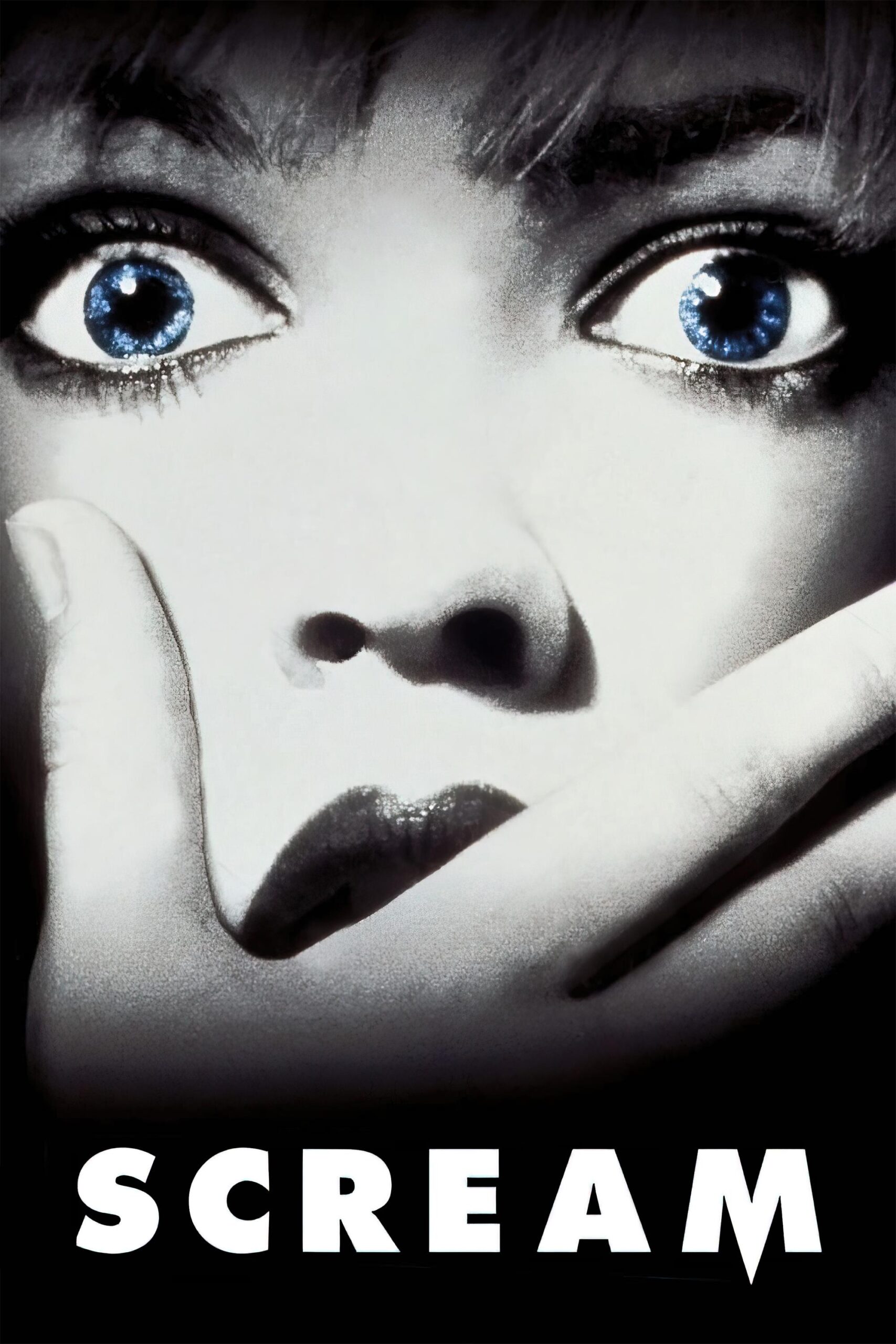
Wes Craven’s Scream, the film that redefined the entire horror genre, slashes its way back onto our screen this Halloween!
The sleepy town of Woodsboro is shaken by a string of brutal murders committed by a masked killer known as Ghostface. At the center is Sidney Prescott (Neve Campbell), a teenager still reeling from her mother’s unsolved murder a year earlier. As Ghostface stalks her and her friends, Sidney must navigate suspicion, trauma, and a mounting body count—all while horror-savvy classmates riff on the “rules” of surviving a scary movie.
Read More
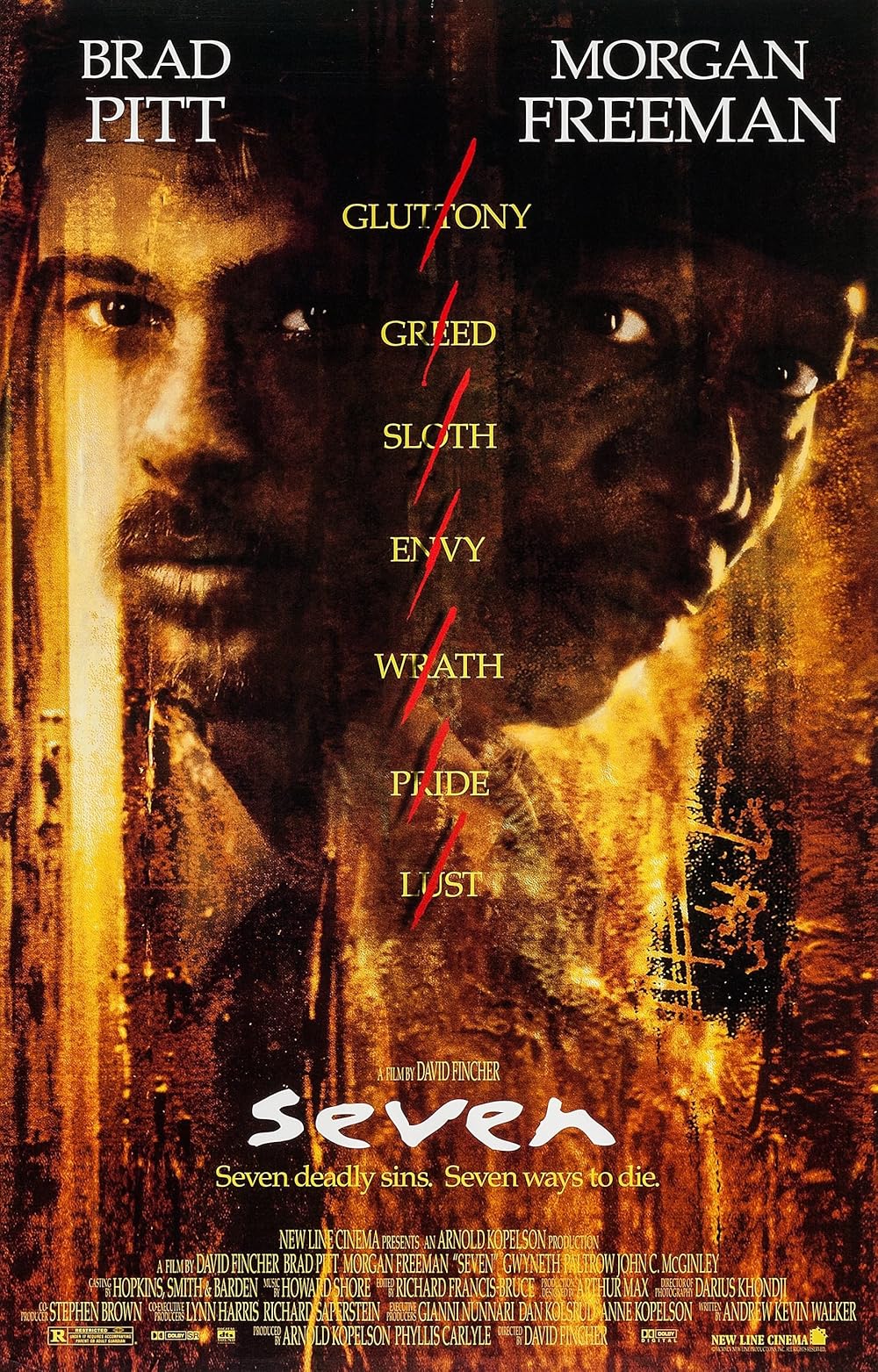
We’re bringing back an encore of David Fincher’s murder masterpiece Se7en, celebrating thirty years since its initial release with a brand new 4K restoration courtesy of Warner Brothers!
Two homicide detectives are on a desperate hunt for a serial killer whose crimes are based on the “seven deadly sins” in this dark and haunting film that takes viewers from the tortured remains of one victim to the next. The seasoned Det. Somerset (Morgan Freeman) researches each sin in an effort to get inside the killer’s mind, while his novice partner, Mills (Brad Pitt), scoffs at his efforts to unravel the case.
Oft imitated but never replicated, Se7en stands as one of the greatest (and darkest) thrillers of all time.
Read More
This screening is open to Film Club Members only.
To learn more about the Frida Film Club or become a member, click here!
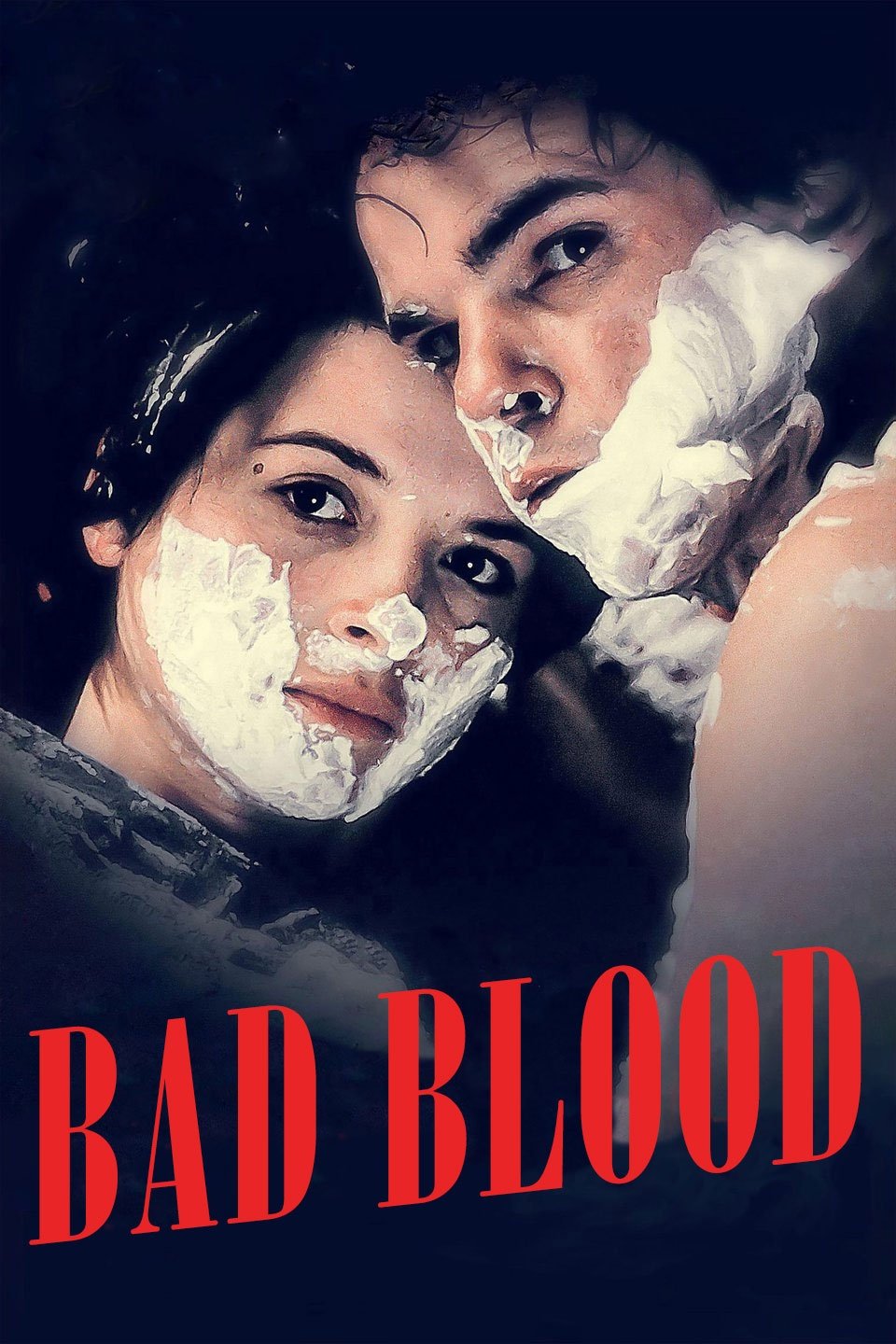
In anticipation of our upcoming run of the new 4K Restoration of visionary French filmmaker Leos Carax’s The Lovers on the Bridge (Sept 12 – 18), we are pleased to treat our Film Club Members with a rare opportunity to experience his 1986 masterpiece Mauvais sang (Bad Blood) on the big screen!
In a near-future Paris, residents are gripped with fear by a mysterious sexually transmitted plague. A dying gangster enlists young thief Alex (Denis Lavant) to steal the serum that could mean humanity’s salvation. Caught between underworld rivalries, the shadow of his late father, and the suffocating weight of expectation, Alex navigates a landscape of danger and deceit that becomes even more complicated when he encounters Anna (Juliette Binoche), the much younger mistress of his employer, sparking a chain of events that threaten both their lives.
A stylish and surreal blend of crime drama, romantic fable, and pop-art cinematic poetry, Carax’s 1986 award-winner is a feverish meditation on love, risk, and mortality that cemented him as one of cinema’s great modern romantics.
Read More
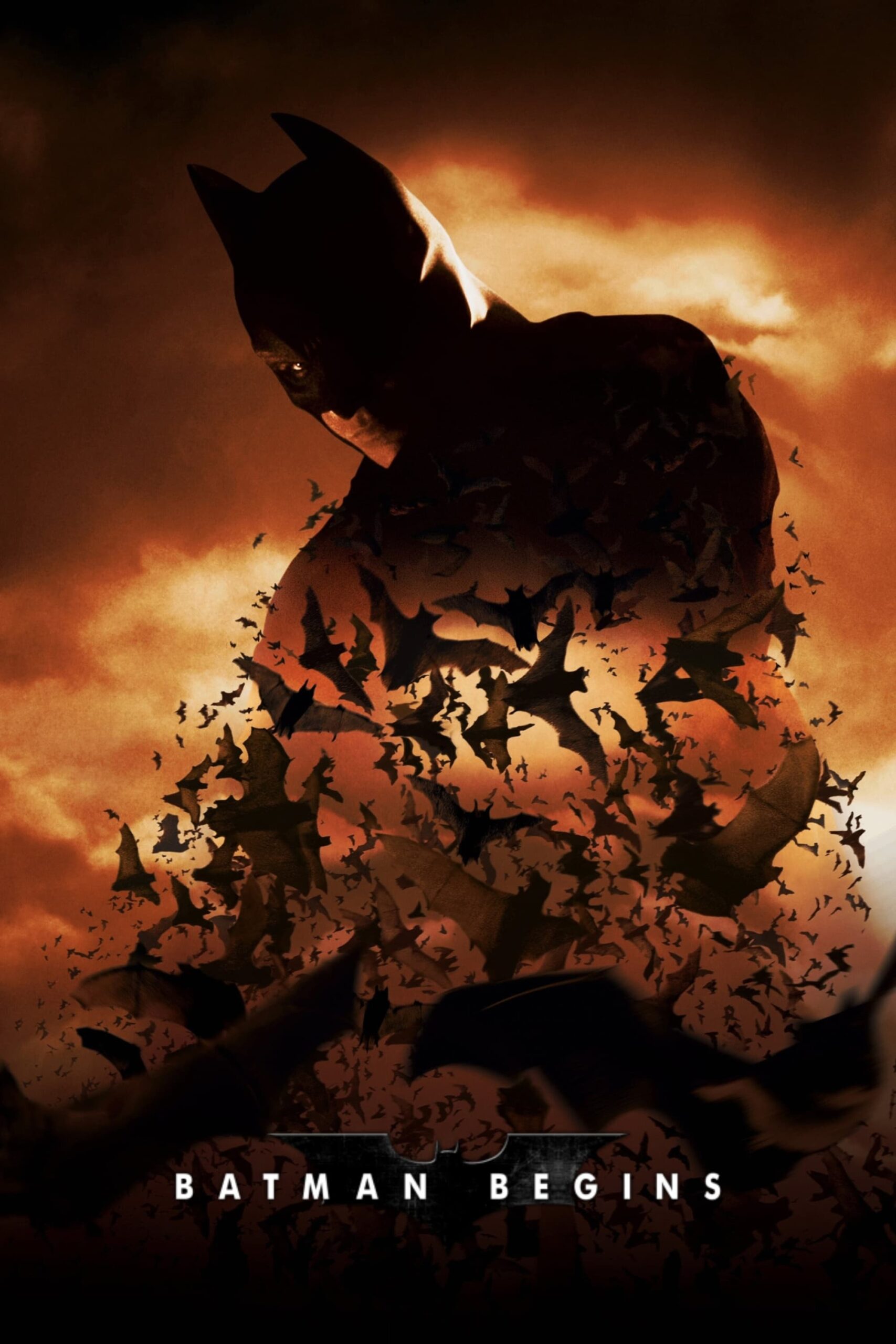
Celebrate the 20th Anniversary of Batman Begins, Christopher Nolan’s visionary reimaging of the the Dark Knight’s origin story.
Haunted by the murder of his parents, billionaire Bruce Wayne (Christian Bale) travels the world seeking the means to fight injustice. Trained by the mysterious League of Shadows and its formidable leader Ra’s al Ghul, Bruce returns home to wage war on corruption and crime, adopting the guise of masked vigilante Batman. Alongside allies Alfred (Michael Caine), Lucius Fox (Morgan Freeman), and Jim Gordon (Gary Oldman), Batman wages battle the deadly Scarecrow (Cillian Murphy), unaware of the true sinister threat looming over Gotham City.
Dark, gritty, and emotionally charged, Batman Begins breathed new life into the iconic character, and set the stage for one of the most acclaimed trilogies in modern cinema.
Read More
Volunteer of the Month pick, selected by one of September’s Volunteers of the Month – The Amazing Aaron!
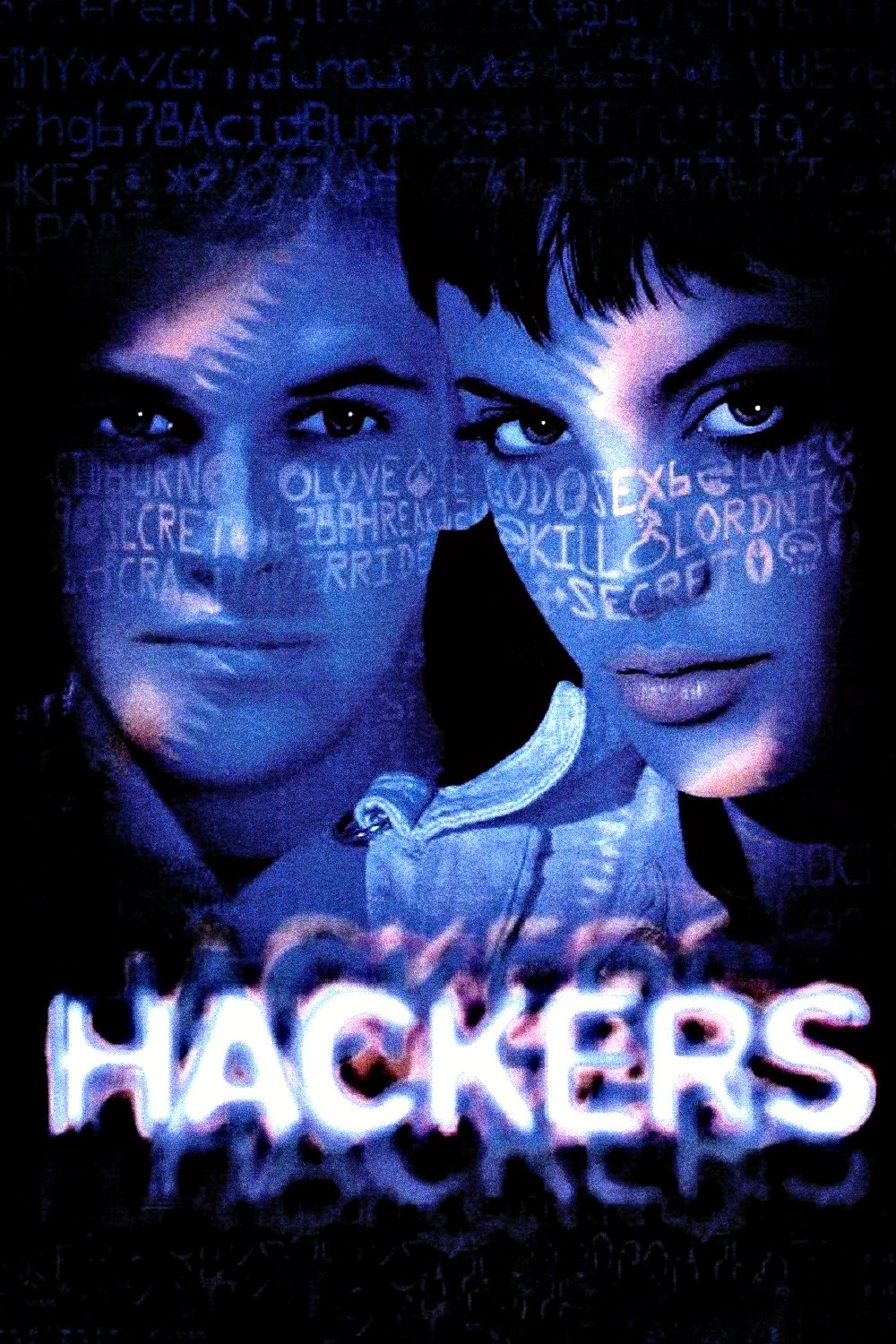
Celebrating the 30th Anniversary of Hackers, director Iain Softley’s neon-soaked cyber-thriller that lives on as a 90’s cult classic. Jonny Lee Miller stars as Dade “Zero Cool” Murphy, a teenage hacker banned from computers after crashing Wall Street at age eleven. Now a high school senior, he falls in with a ragtag crew of cyber-rebels led by the brilliant and fearless Kate “Acid Burn” Libby (Angelina Jolie). When the group accidentally uncovers a massive corporate conspiracy, they must outwit the FBI, take on a ruthless security officer (Fisher Stevens), and prove their innocence before they’re taken down by the system.
A cult classic bursting with wild style, pulsing electronica, and gloriously outdated tech lingo, Hackers remains a fast-paced celebration of youthful rebellion, and the anarchic spirit of the early internet age.
Read More
Volunteer of the Month pick, selected by one of September’s Volunteers of the Month – The Amazing Trevor!
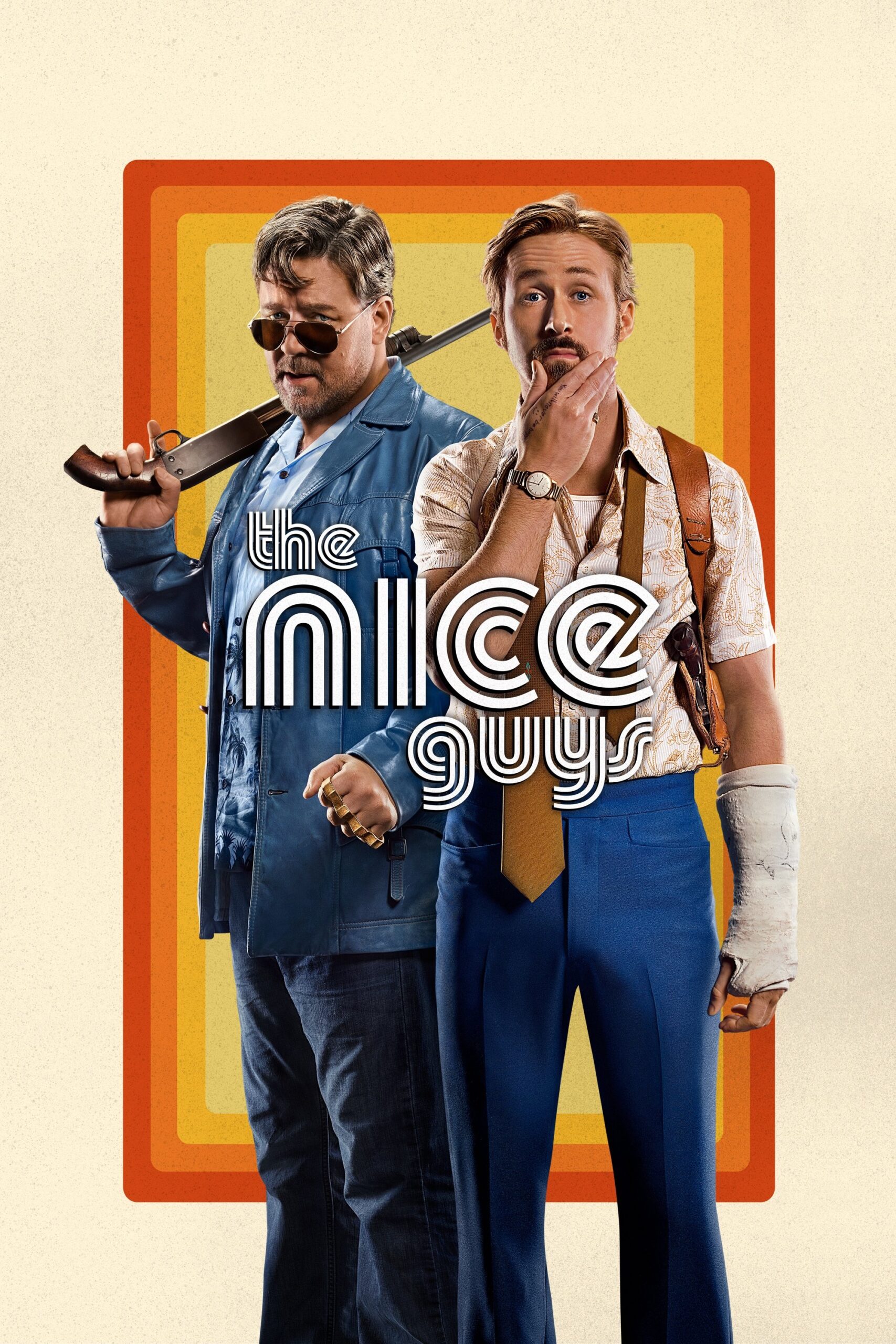
Set in the smoggy sprawl of 1970s Los Angeles, Shane Black’s (Kiss Kiss Bang Bang, Iron Man 3) The Nice Guys stars Ryan Gosling stars as Holland March, a bumbling private eye barely keeping it together. When his path collides with Jackson Healy (Russell Crowe), a tough-as-nails enforcer with a knack for violence, the unlikely duo find themselves investigating the apparent suicide of a porn star and the disappearance of a young woman, leading to the unraveling of a conspiracy that winds from the seedy underbelly of Hollywood to the highest levels of power.
Fast, funny, and packed with action, The Nice Guys is a stylish throwback to mismatched-detective classics – a buddy-cop mystery / neo-noir comedy that’s laced with irreverent humor, outrageous set pieces, and two irresistible lead performances.
Read More
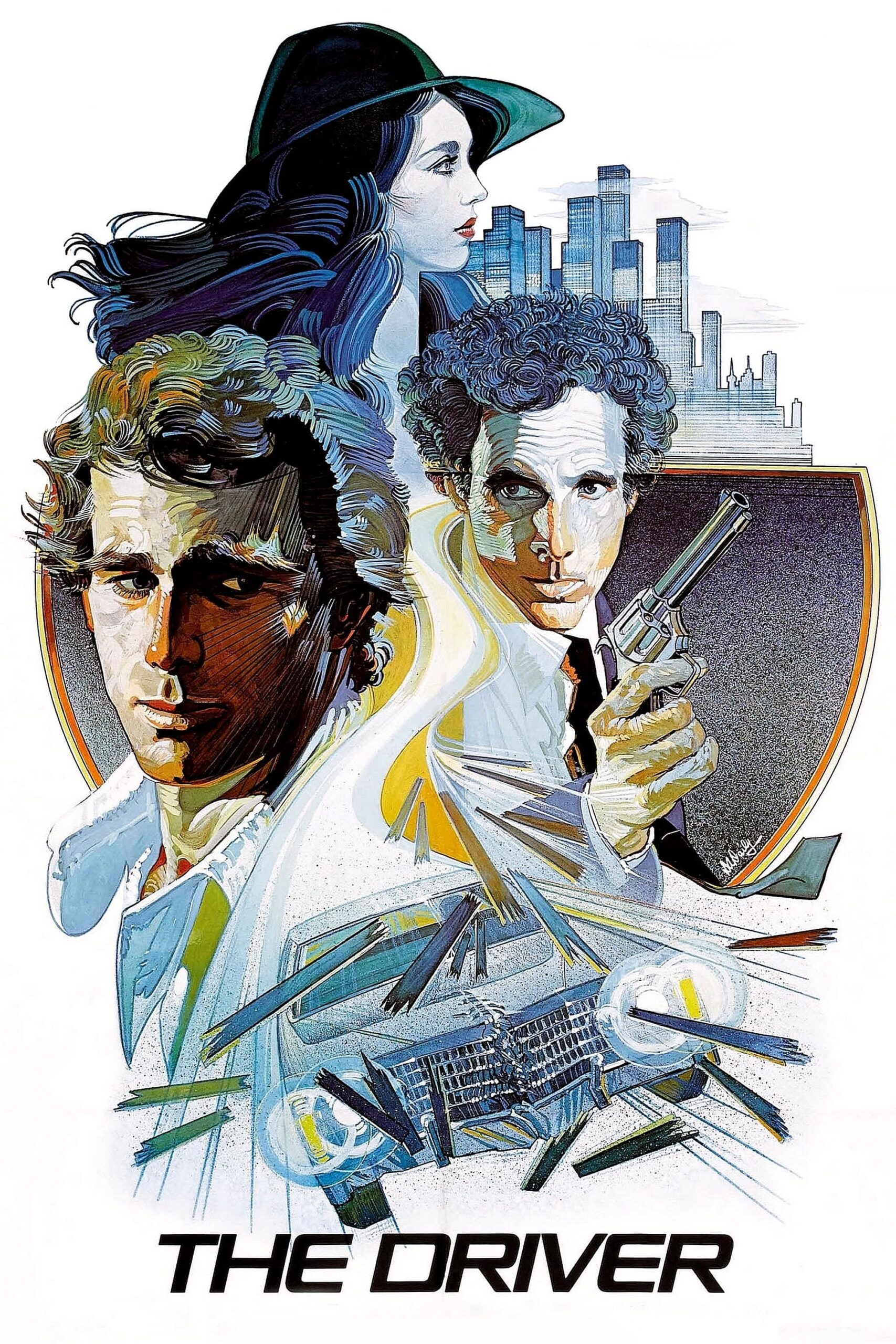
Join our partners in crime at Cinematic Void for a high-octane night of neo-noir cool with a special screening of The Driver, Walter Hill’s ice-cold crime thriller that helped define the modern getaway film.
The Driver stars Ryan O’Neal as a nameless wheelman—no small talk, no attachments, just precision driving. On his tail is a relentless detective (Bruce Dern) willing to bend every rule to catch him, and in the middle is Isabelle Adjani’s enigmatic “Player,” who may or may not be tipping the game in someone’s favor.
With its minimalist dialogue, brutalist LA cityscapes, and pulse-pounding car chases shot without a hint of CGI, The Driver is all tension, style, and attitude—part existential noir, part stripped-down action poetry. If you’re a fan of Thief, Drive, or To Live and Die in L.A., this is the film that lit the fuse.
Make sure to show up at 7:30PM for the world famous CV Preshow—packed with vintage trailers, lost media, and other grimy goodies from the Celluloid Void. Tickets to this one-off event are $15.
Read More
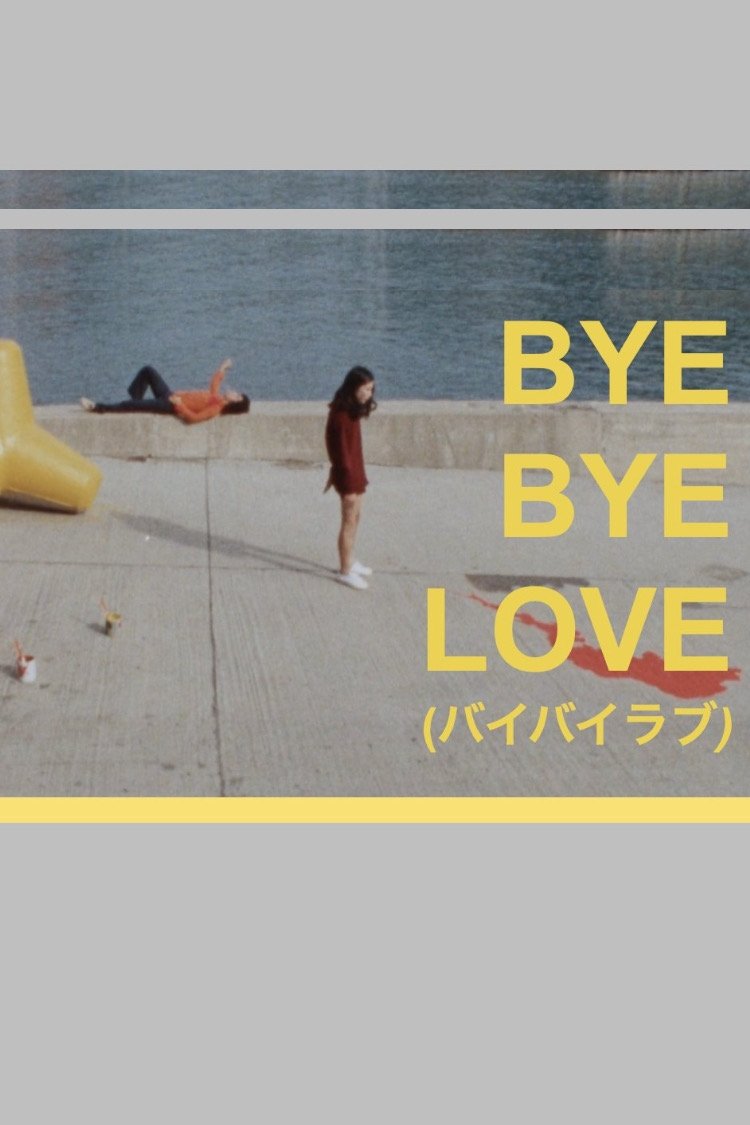
November’s Hallucinations screening is Isao Fujisawa’s lost wonder Bye Bye Love!
Lost and nihilistic drifter Utamaro chances upon Giko, a femme shoplifter who immediately catches his eye. One thing leads to another: the couple soon find themselves on the lam for murder. This provides for a delightful pretext to explore notions of societal malaise, free love and gender fluidity in a rapidly evolving 1970s Japan, as both Utamaro and Giko begin to know each other on the road by way of a variety of surrealistic, psychedelic and frank sexual encounters.
Hosted by Polygon’s editor-in-chief Chris Plante, Hallucinations is a monthly event that spotlights movies that challenge our expectations of story, style, and “good taste”. We invite guests to bond over films that change what we expect from the medium, the world, and themselves. So come early, stay late, make friends, and watch something strange, surprising, or just shamelessly sick.
Read More
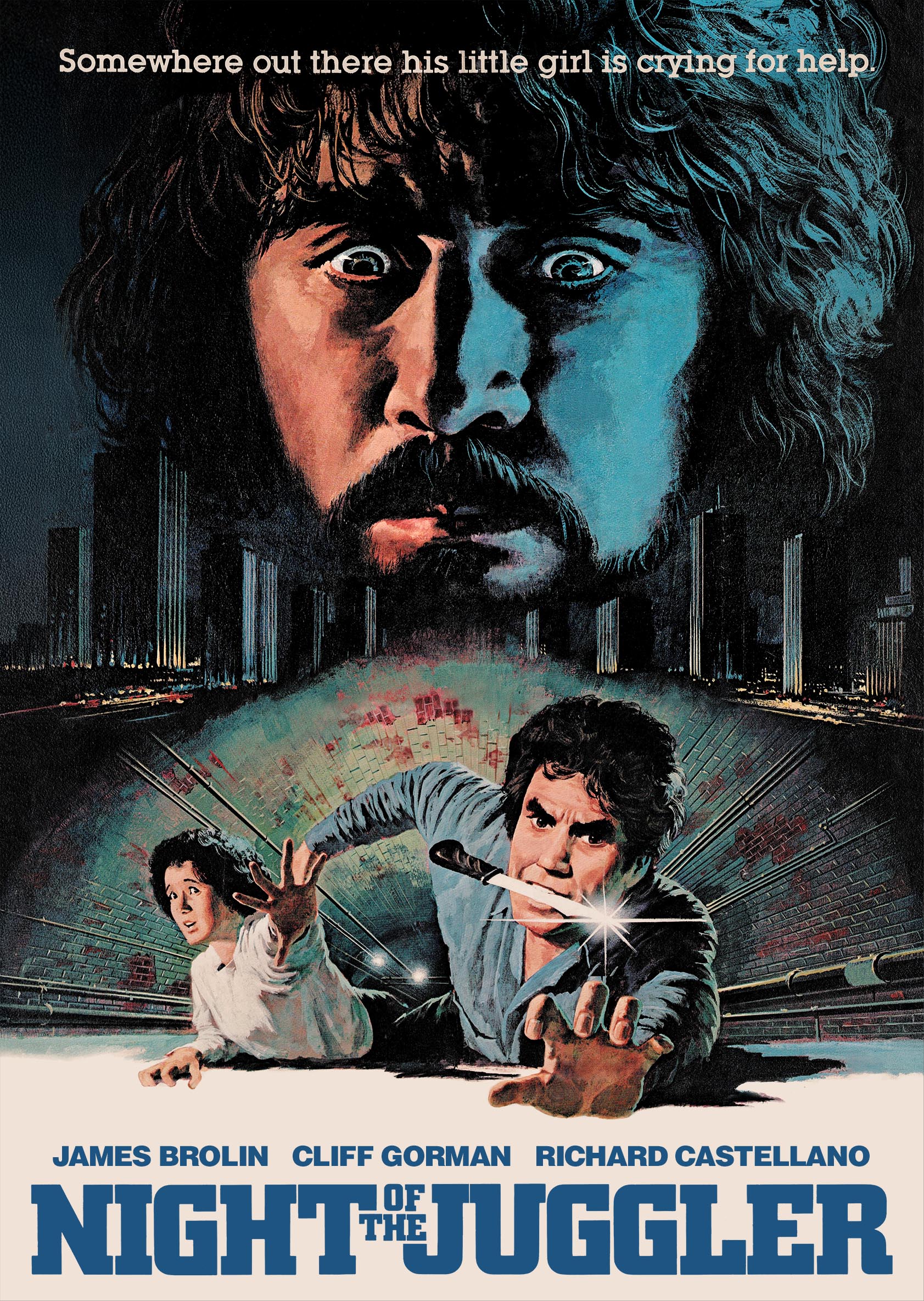
Our Hallucinations series is back in September with a brand new 4K restoration of Night Of The Juggler, starring James Brolin!
Night of the Juggler drops you into a sweltering, sweaty New York City in freefall. When an ex-cop’s daughter is kidnapped by a maniac, he tears through the city like a human wrecking ball—dodging traffic, screaming through subway tunnels, and punching his way across five boroughs. It’s part thriller, part urban nightmare, part sweaty fever dream where every street corner feels like the edge of a riot.
It’s the kind of movie that makes you feel like you ran the whole thing yourself—and you might still be out of breath by the end credits.
Hosted by Polygon’s editor-in-chief Chris Plante, Hallucinations is a monthly event that spotlights movies that challenge our expectations of story, style, and “good taste”. We invite guests to bond over films that change what we expect from the medium, the world, and themselves. So come early, stay late, make friends, and watch something strange, surprising, or just shamelessly sick.
Read More