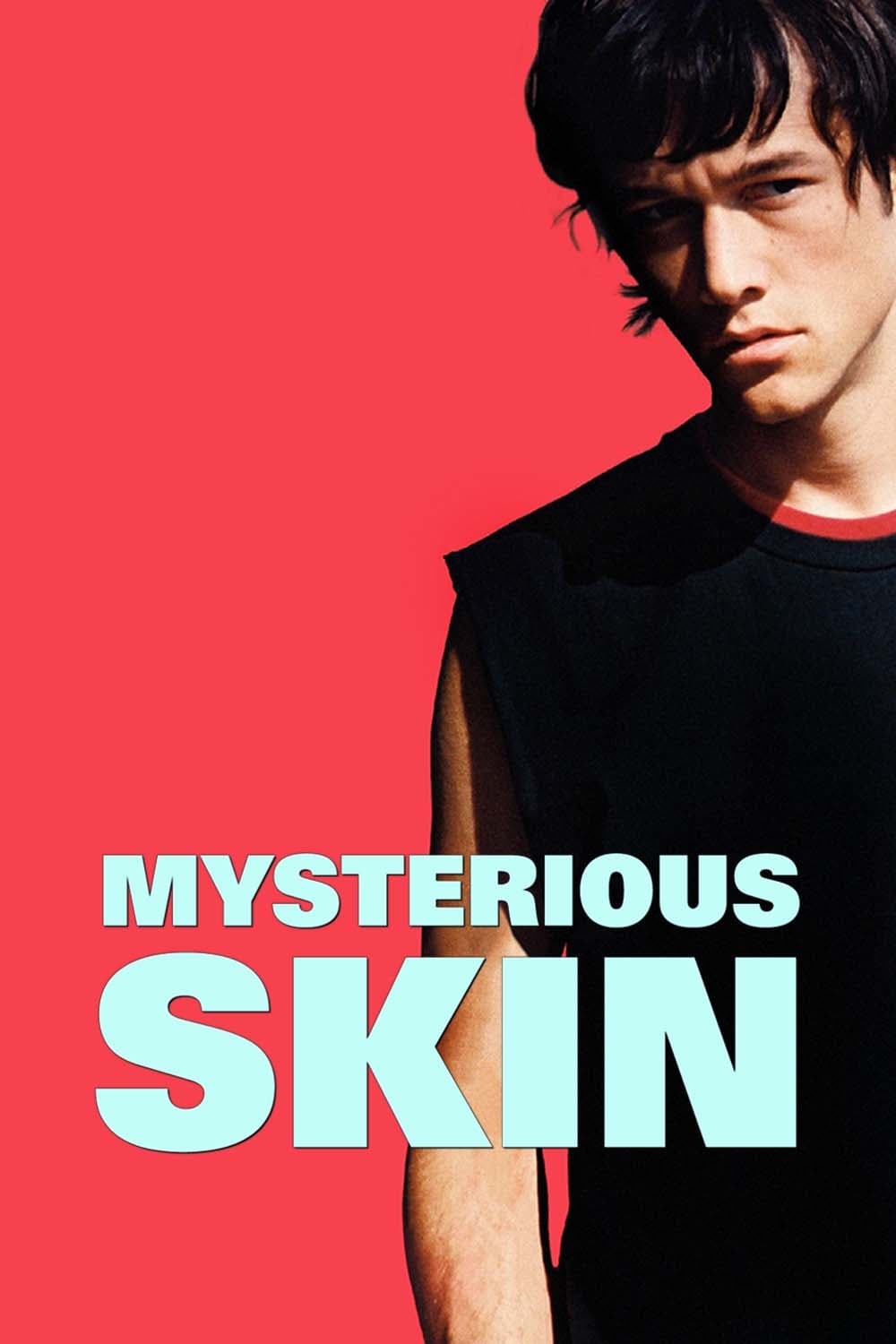
Join us at The Frida Cinema for a very special evening featuring Gregg Araki’s 2004 indie classic Mysterious Skin followed immediately by a block of Experimental Gay short films called He Never Dies: The Short Films Of Kalil Haddad.
First up, Araki’s haunting masterpiece follows a boy named Neil (Joseph Gordon-Levitt, in a fearless early performance) as he escapes into a world of risky encounters and self-destructive bravado, while Brian (Brady Corbet) struggles with repressed memories that manifest as blackouts and visions of alien abduction. As their stories move inexorably toward each other, the truth that binds them threatens to shatter everything they thought they knew about themselves.
Read More
Sleep all day. Party all night. Never grow old. Never die. It’s fun to be a vampire.
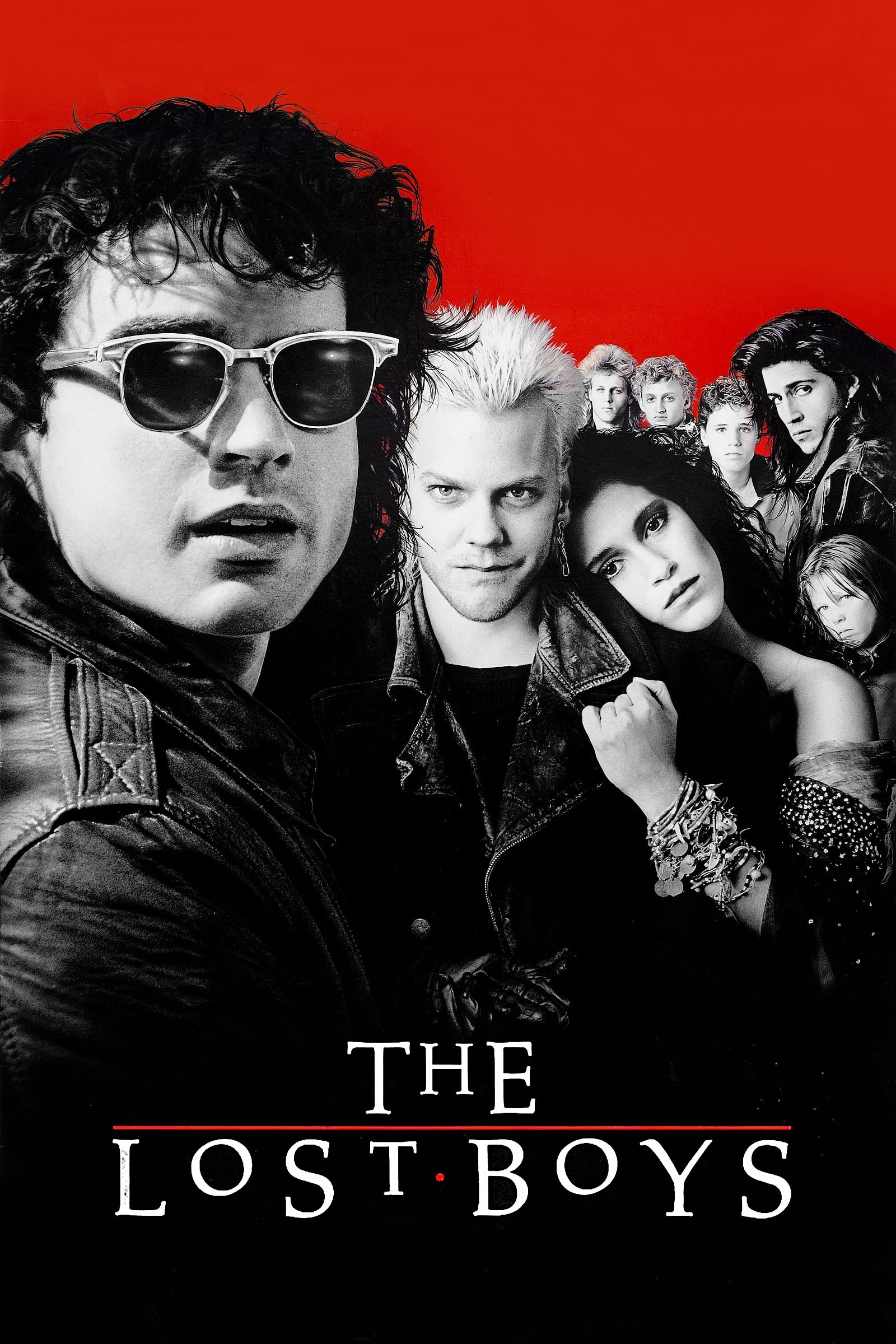
A bloodsucker blast of style and sass, Joel Schumacher’s cult classic The Lost Boys has joined our Halloween week lineup!
In the sleepy town of Santa Carla, brothers Michael and Sam (Jason Patric and Corey Haim) discover the boardwalk nightlife hides more than just roller coasters and neon thrills. Enter a gang of leather-clad, motorcycle-riding vampires led by the magnetic David (Kiefer Sutherland), and suddenly it’s bloodsucking, comic book wisdom, and holy water squirt guns galore.
Dripping with MTV swagger, a killer soundtrack (INXS! Echo & the Bunnymen!), and unforgettable performances from the “two Coreys,” The Lost Boys redefined the teen vampire movie as a sexy, funny, and stylish rollercoaster of horror and humor.
Read More
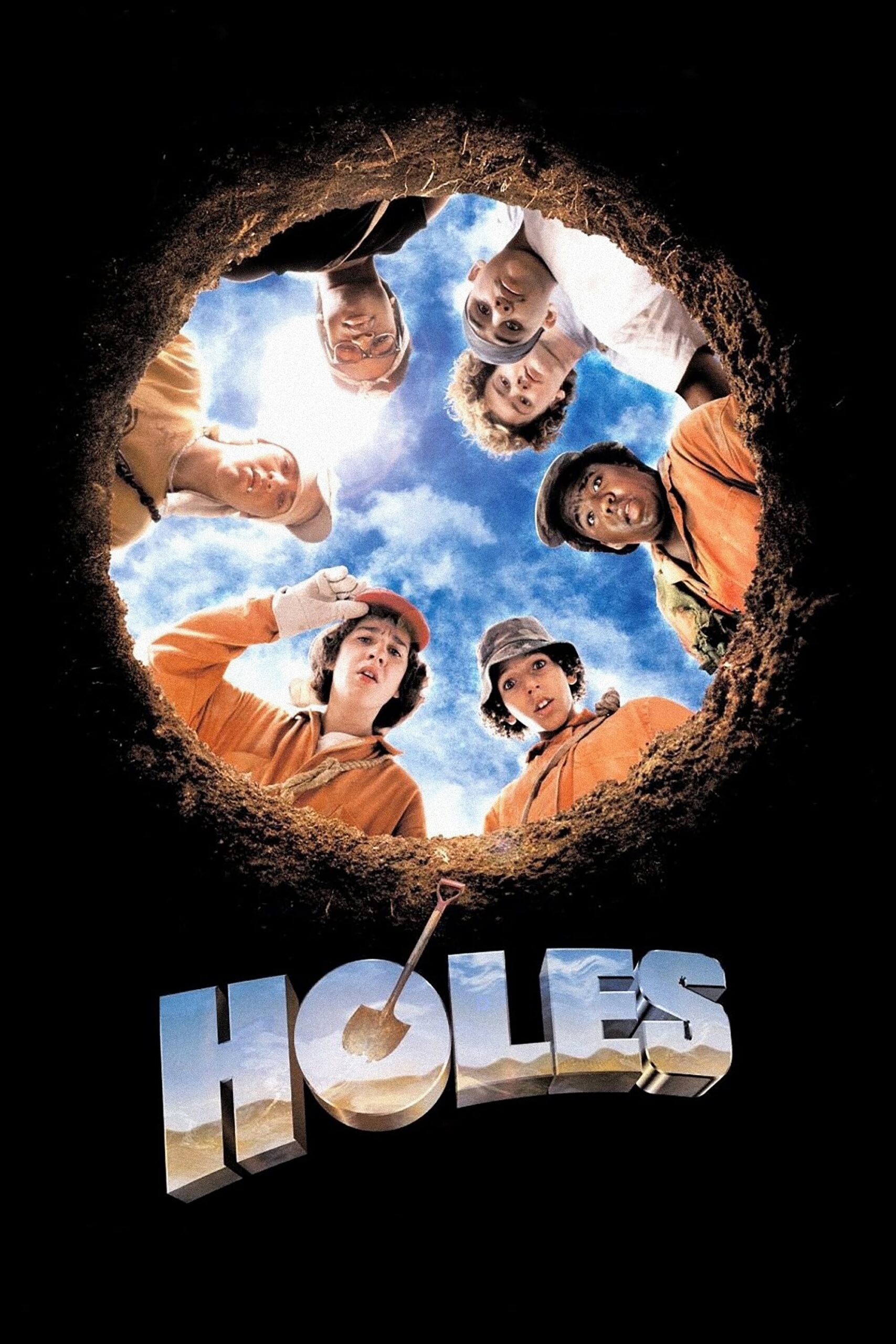
Our Page To Screen series is digging its way to the beloved teen classic Holes!
Nothing is as it seems at Camp Green Lake, where unlucky teen Stanley Yelnats (Shia LaBeouf in his breakout role) is sentenced to endless days of digging holes in the blazing sun. But beneath the desert dirt lies a buried mystery — a story that winds through generations of curses, outlaws, and lost treasure. With the help of his fellow campers (including scene-stealer Khleo Thomas as Zero), Stanley may just uncover more than anyone bargained for.
Based on Louis Sachar’s award-winning novel, Holes is a rare teen film that balances humor, heart, and adventure while staying true to its literary roots. Featuring a stellar cast of Sigourney Weaver, Jon Voight, Tim Blake Nelson, and Patricia Arquette, it’s an endlessly rewatchable tale of friendship.
Read More
The Frida Cinema is excited to partner with the Production Designers Collective a very special screening of Spike Jonze’s 2002 masterwork Adaptation! And make sure to stick around after the screening for a very special Q&A with the film’s Production Designer–K.K. Barrett (Her, Marie Antoinette).
Charlie Kaufman is a confused L.A. screenwriter overwhelmed by feelings of inadequacy, sexual frustration, self-loathing, and by the screenwriting ambitions of his freeloading twin brother Donald. While struggling to adapt “The Orchid Thief,” by Susan Orlean, Kaufman’s life spins from pathetic to bizarre. The lives of Kaufman, Orlean’s book, become strangely intertwined as each one’s search for passion collides with the others’.
A modern classic of postmodern cinema, Adaptation fuses Jonze’s inventive direction with Kaufman’s whip-smart script and self-referential chaos.
This event will be an official part of International Production Design Week.
Read More
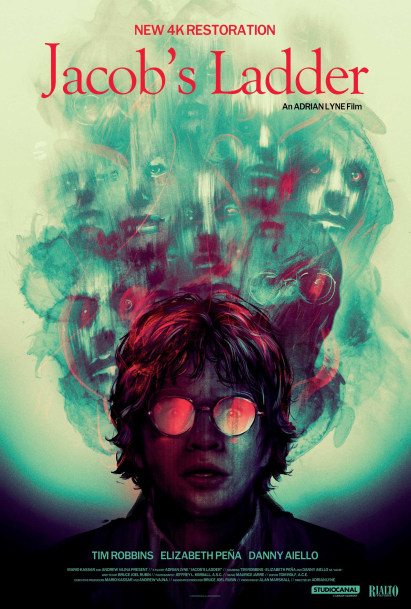
We’re very excited to announce that Rialto Pictures is rolling out their brand new 4K restoration of Adrian Lyne’s Jacob’s Ladder for a limited run at The Frida Cinema on October 20th-23rd!
Jacob Singer (Tim Robbins), a Vietnam War veteran plagued with troubling hallucinations and traumatic flashbacks, struggles to maintain his sanity as his terrible past invades his waking life. As girlfriend Jezzie (Elizabeth Peña) and chiropractor friend Louis (Danny Aiello) try to help him find balance, Jacob only descends further into madness and despair.
This restoration was completed by ROUNDABOUT – USA from the original negative scanned and restored in 4K. The color grading and restoration was supervised by Adrian Lyne. This project was brought to you by STUDIOCANAL and supervised by Delphine Roussel and Jean-Pierre Boiget.
Read More
To pass this final exam, you’ll have to survive your classmates! Deemed too controversial for release in 2000, Battle Royale is celebrating its 25th anniversary with three nights of screenings at The Frida! And as an added bonus, stick around for a 10 minute pre-recorded interview with the screenwriter–Director Kinji Fukasaku’s son Kenta–sharing an intimate look at the forces that shaped his father and how they inspired his final film.
In an alternate near-future Japan, the government has passed the Battle Royale Act, a brutal law designed to control unruly youth. Each year, one randomly chosen middle-school class is taken to a remote island, armed with weapons, and forced to fight to the death until only one student remains.
A savage satire on youth, control, and violence that still hits harder than ever, don’t miss your chance to catch it on the big screen, in 4K for the first time, starting October 13th! Get your tickets now!
Read More
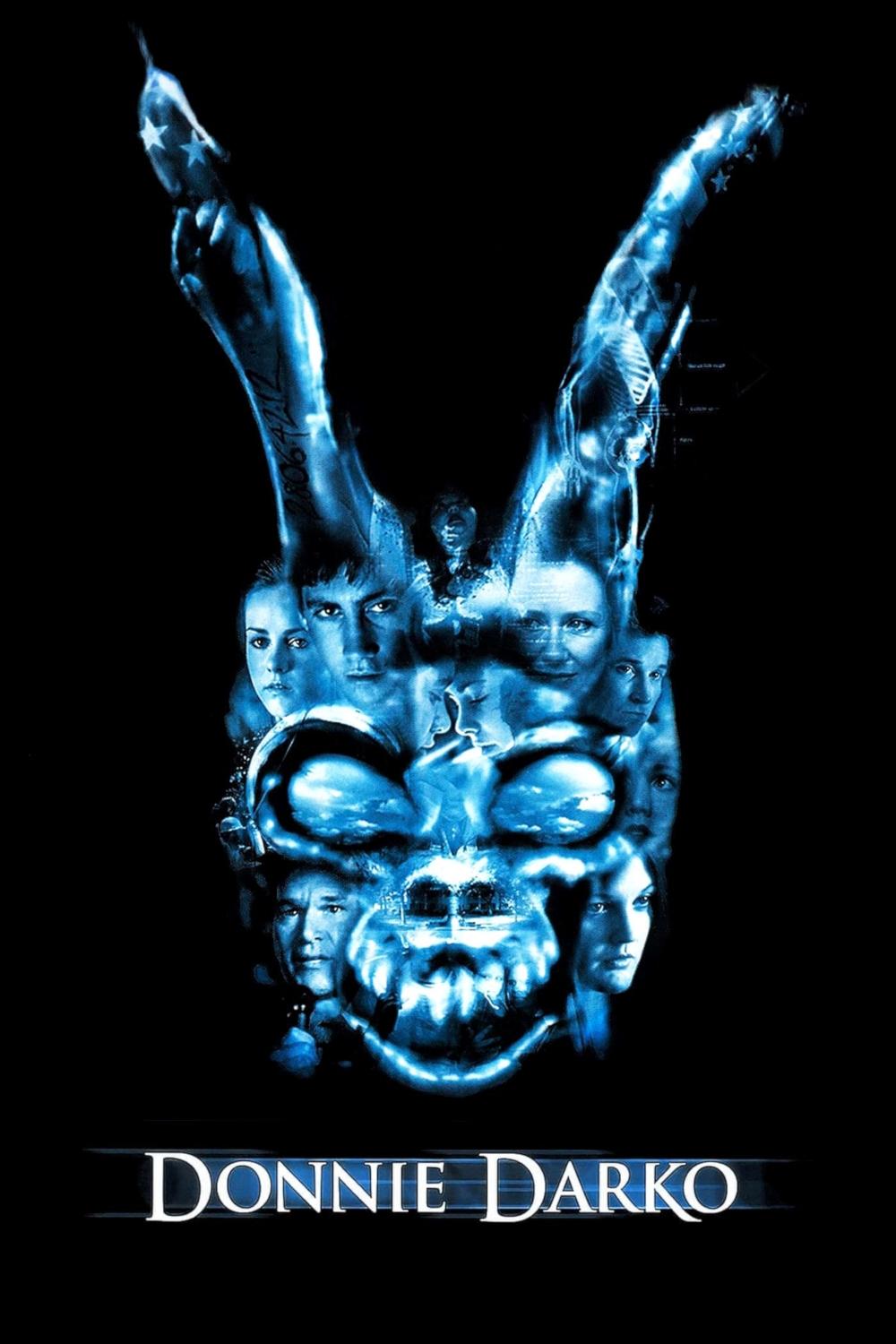
Wake up, Donnie…
Happy Halloween! Donnie Darko, one of the definitive Frida Cinema fan favorites, is finally returning to our screens for the first time in almost two years!
Donnie Darko (Jake Gyllenhaal) is a troubled teenager in 1988 Virginia, plagued by visions and sleepwalking episodes. One night, a bizarre accident nearly kills him when a jet engine crashes into his bedroom. Surviving only because he wandered outside, Donnie begins seeing a terrifying figure: a man in a grotesque rabbit suit named Frank, who tells him the world will end in 28 days.
Before Stranger Things combined science fiction, Spielberg-ian thrills, and 1980s nostalgia to much acclaim, Richard Kelly set the high-water mark with Initially beset with distribution problems, it would slowly find its audience and emerge as arguably the first cult classic of the new millennium.
Read More
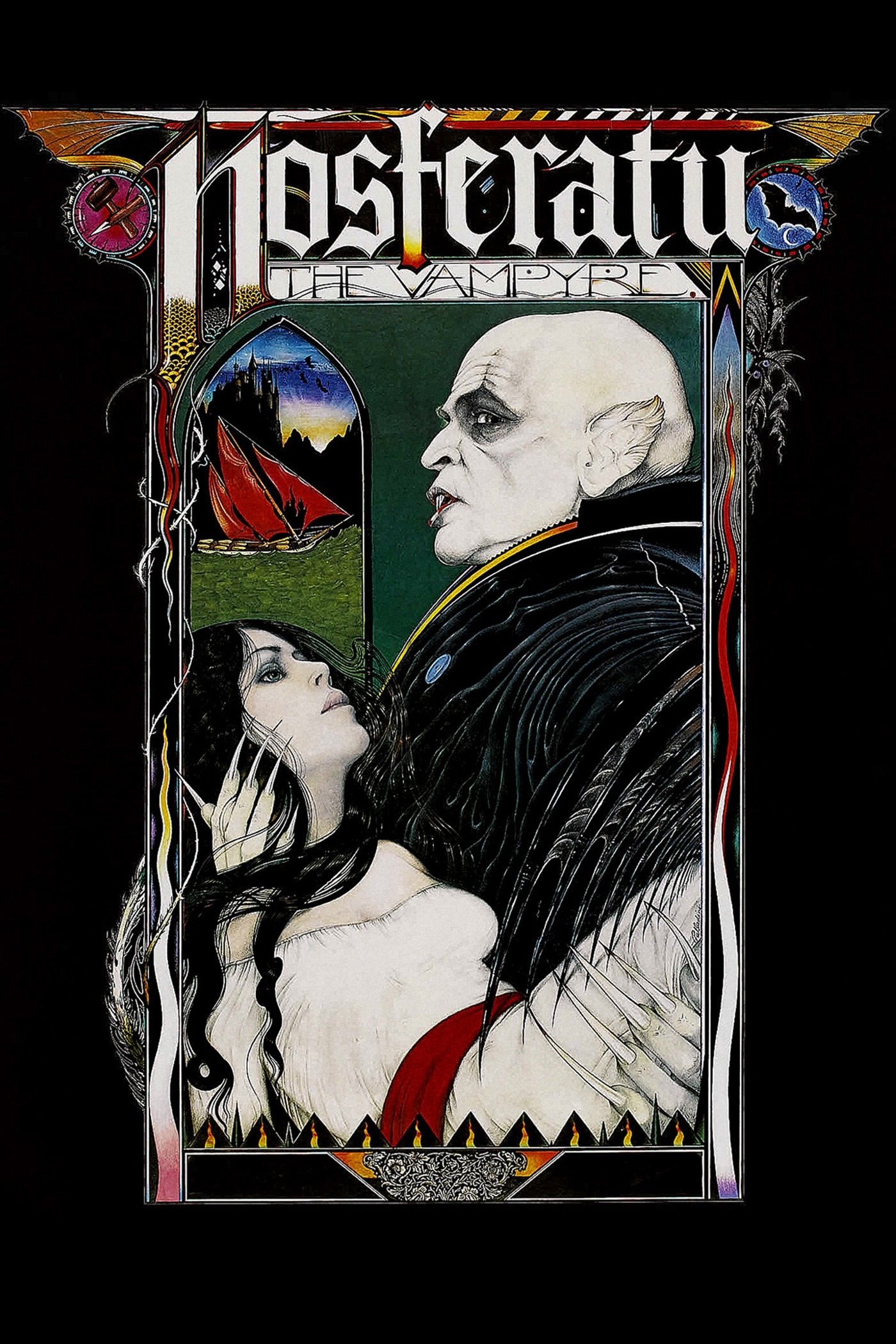
Werner Herzog’s only horror film, Nosferatu The Vampyre, is finally coming to The Frida Cinema!
It is 1850 in the beautiful, perfectly-kept town of Wismar. Jonathan Harker (Bruno Ganz) is leaving on a long journey over the Carpathian Mountains to finalize real estate arrangements with a wealthy nobleman. His wife Lucy (Isabelle Adjani) begs him not to go and is troubled by a strong premonition of danger. Despite her warnings, Jonathan arrives four weeks later at a large, gloomy castle. Out of the mist appears a pale, wraith-like figure with deep-sunken eyes who identifies himself as Count Dracula (Klaus Kinski). The events that transpire slowly convince Harker that he is in the presence of a vampire. Even still, he doesn’t realize the magnitude of danger he, his wife and his town are about to experience.
A dreamlike homage to F.W. Murnau’s 1922 silent classic, Nosferatu The Vampyre conjures a world where dread seeps into every frame—an atmosphere of fevered melancholy now revived in a new 4K restoration thanks to our friends at American Genre Film Archive!
Read More
This screening is open to Film Club Members only.
To learn more about the Frida Film Club or become a member, click here!
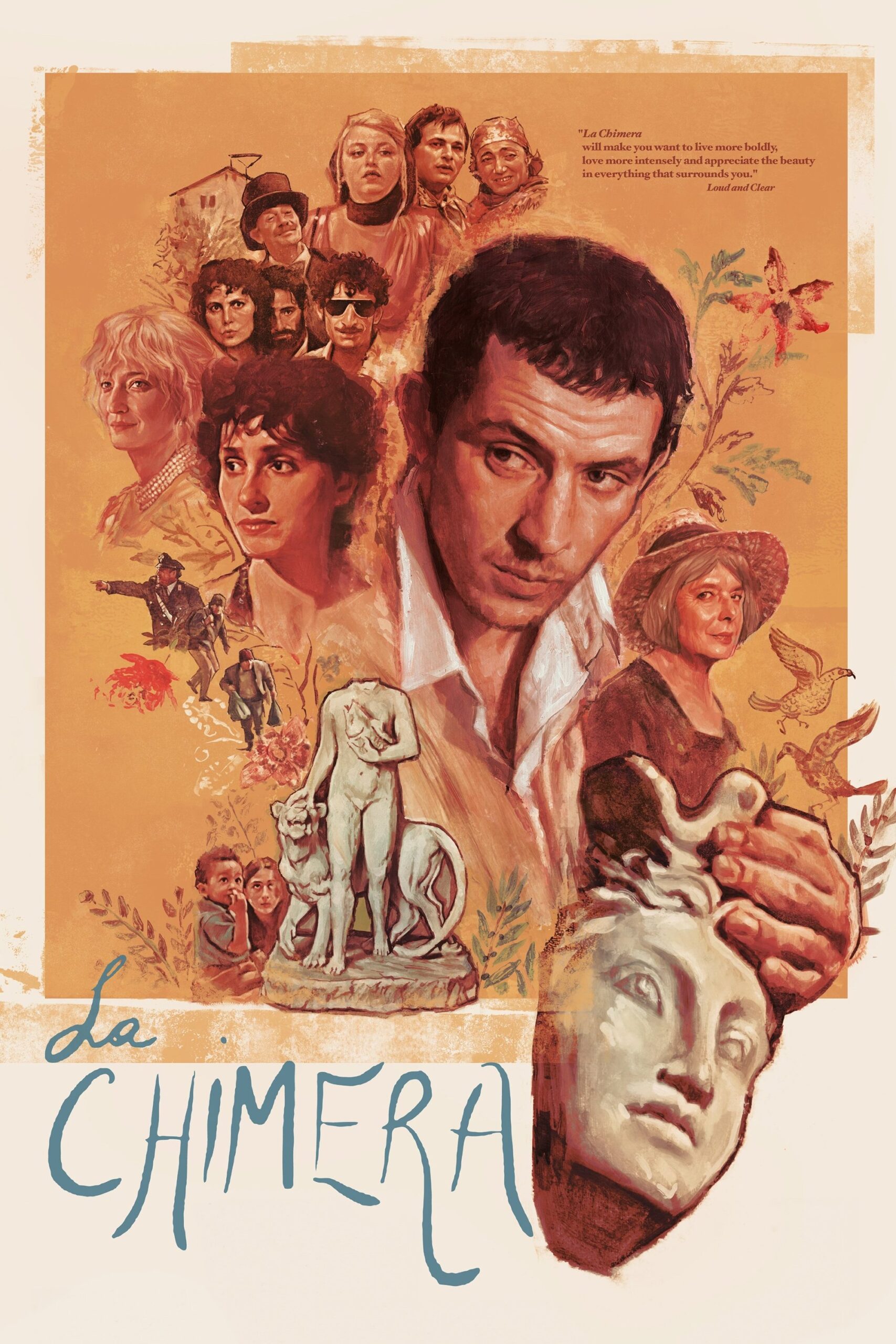
Student Film Club Members are invited to a very special back to school screening of La Chimera, Alice Rohrwacher’s sun-drenched Italian adventure genre-masher!
La Chimera follows Arthur (Josh O’Connor), a disheveled British archaeologist recently released from prison, as he drifts back into the orbit of a ragtag band of tombaroli—tomb raiders who plunder ancient Etruscan ruins in search of artifacts to sell on the black market. Haunted by visions of his lost love and the ghosts of a vanished world, Arthur embarks on a journey that blurs the lines between past and present, myth and memory.
Infused with Rohrwacher’s signature blend of earthy magic realism, La Chimera is an excavation of the soul and an absolute can’t-miss on the big screen with your fellow Student Film Club members!
Read More
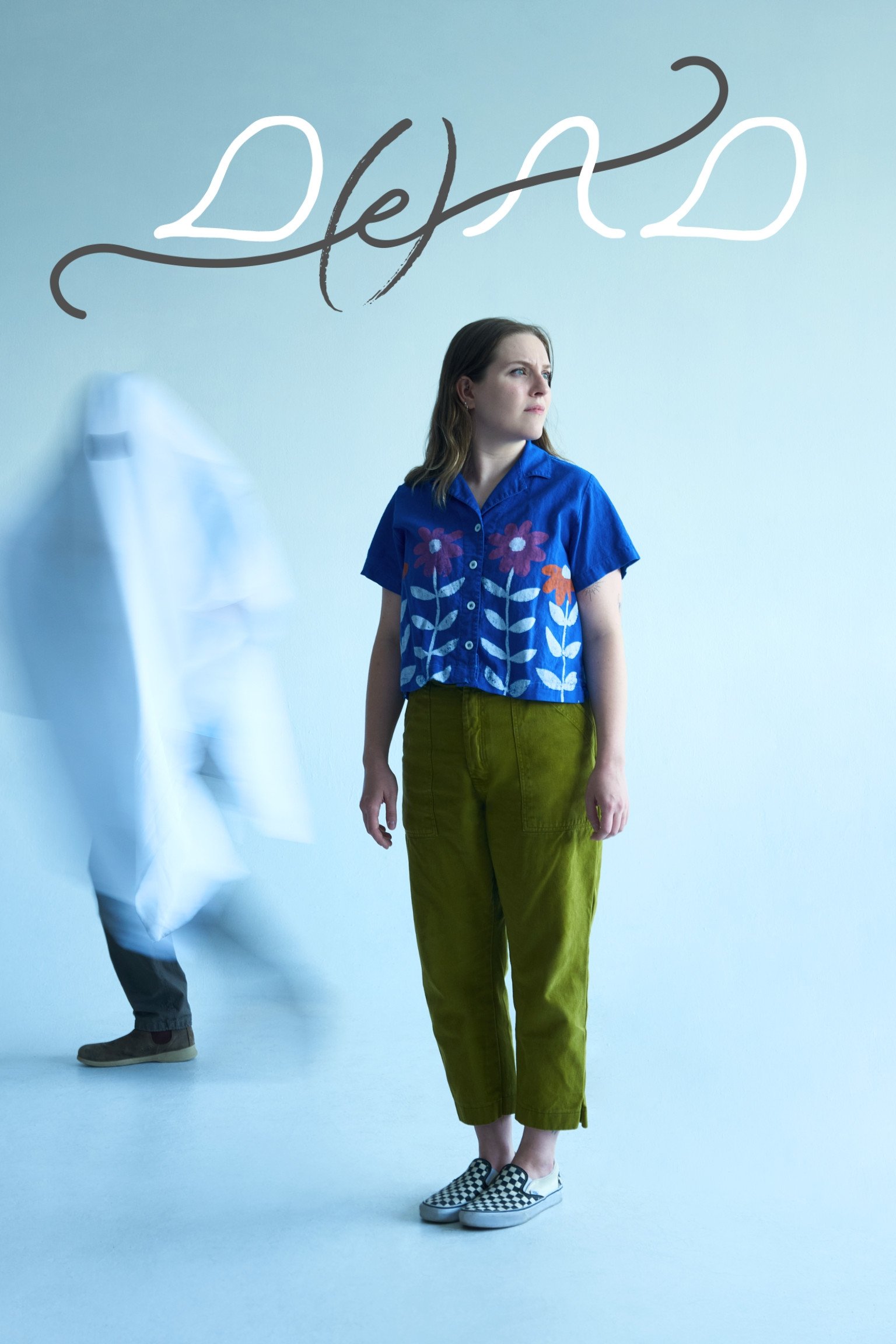
What do you get when you have three generations of comedians in one family, and someone dies? If you guessed an independent autobiographical self-funded feature-length dark comedy, you’d be absolutely right. D(e)AD is written by and starring Isabella Roland (Dropout.tv, Sex Lives Of College Girls); and directed by and starring Isabella’s mom, Claudia Lonow (creator/showrunner of How to Live With Your Parents for the Rest of Your Life, Accidentally on Purpose, Good Girls Don’t and Rude Awakening); and also the rest of their family.
Tillie (Isabella Roland), a floundering young woman and her charismatic, alcoholic father (Craig Bierko), struggle to resolve their fractured relationship in the weirdest possible way: after he dies, his ghost appears in mirrors to haunt everyone in the family but Tillie. Tillie’s sister, Violet (Vic Michaelis), mother (Claudia Lonow), grandparents (Mark Lonow and Joanne Astrow), stepfather (Jonathan Schmock), and even Violet’s free-spirited baby daddy (Nick Marini), must do everything they can to make Tillie see her father… even employing a very reform rabbi (Eddie Peppitone) to exorcize him… or else they will be plagued by this ghost forever.
Just added: before the screening, we will be joined by Izzy Roland, Claudia Lonow, and Jonathan Schmock for a special in-person introduction!
Tickets are $15 for this special event and $40 for a ticket + exclusive poster for the film!
Read More