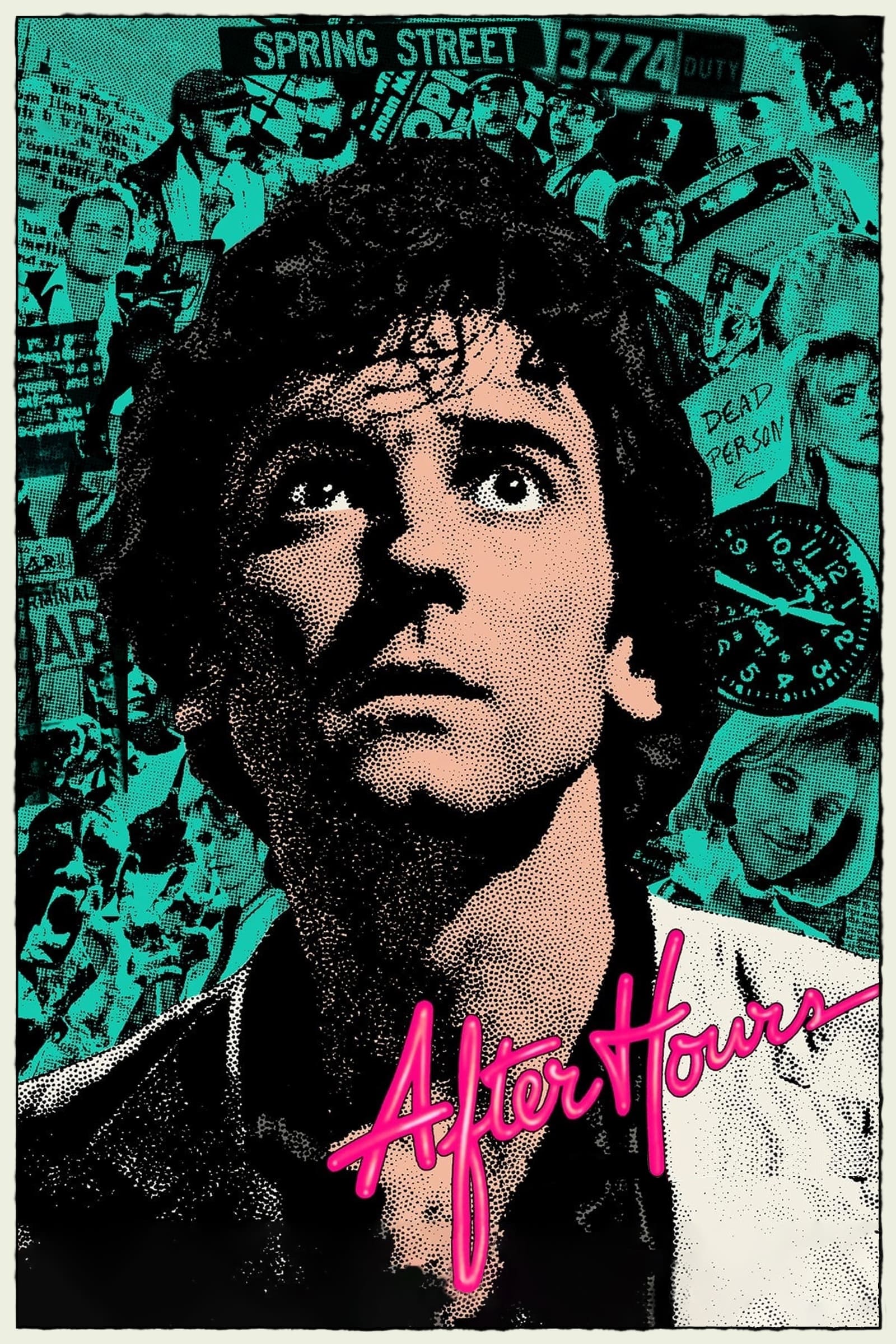
Celebrate 40 years of Martin Scorsese’s anxiety-dream (nightmare?) New York City classic After Hours, just added for two final encores!
When mild-mannered word processor Paul Hackett (Griffin Dunne) heads to SoHo for what he thinks is a casual date, he’s thrust into an all-night odyssey of bizarre encounters, escalating misfortunes, and existential dread. From punk clubs to papier-mâché sculptors, sadistic bartenders to vengeful mobsters, every turn deepens the absurdity—and the anxiety.
Shot with kinetic energy and pitch-black wit, After Hours is Scorsese at his most playfully unhinged and possibly most influential onto the aesthetic of some of your favorite new filmmakers!
Read More
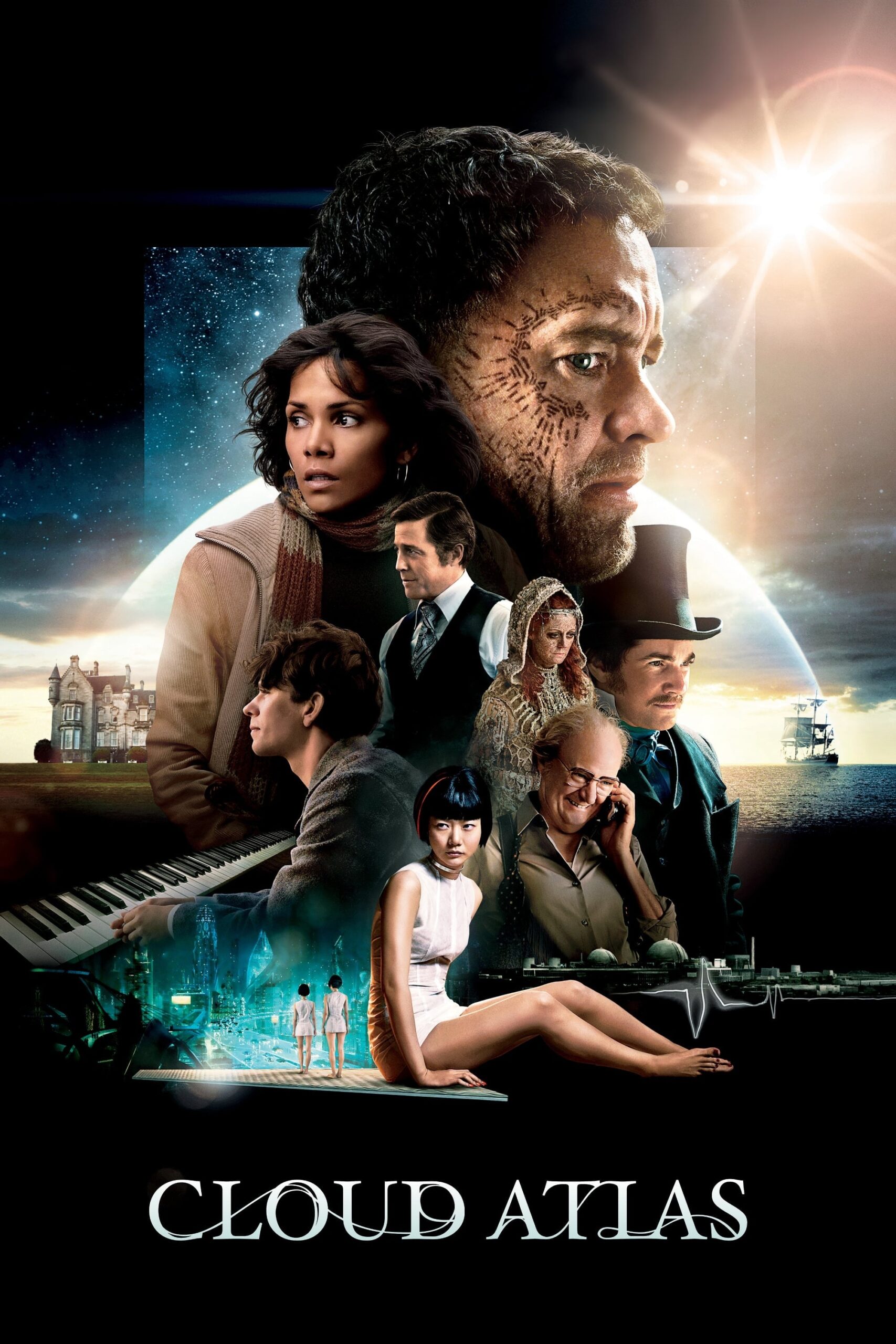
A kaleidoscopic epic of reincarnation, resistance, and radical empathy, Cloud Atlas is a cinematic experience unlike any other—bold, operatic, and unafraid to leap across time, space, and genre. Directed by Lana and Lilly Wachowski (The Matrix) and Tom Tykwer (Run Lola Run), this genre-bending adaptation of David Mitchell’s novel connects six interwoven stories across centuries, from a 19th-century Pacific voyage to a post-apocalyptic future.
With an ensemble cast led by Tom Hanks, Halle Berry, Hugo Weaving, Doona Bae, and Jim Broadbent—each playing multiple roles across timelines—the film explores how a single act of kindness (or cruelty) ripples across history. It’s a puzzle box of narratives that coalesce into a transcendent meditation on freedom, identity, and the eternal struggle between oppression and liberation.
Read More
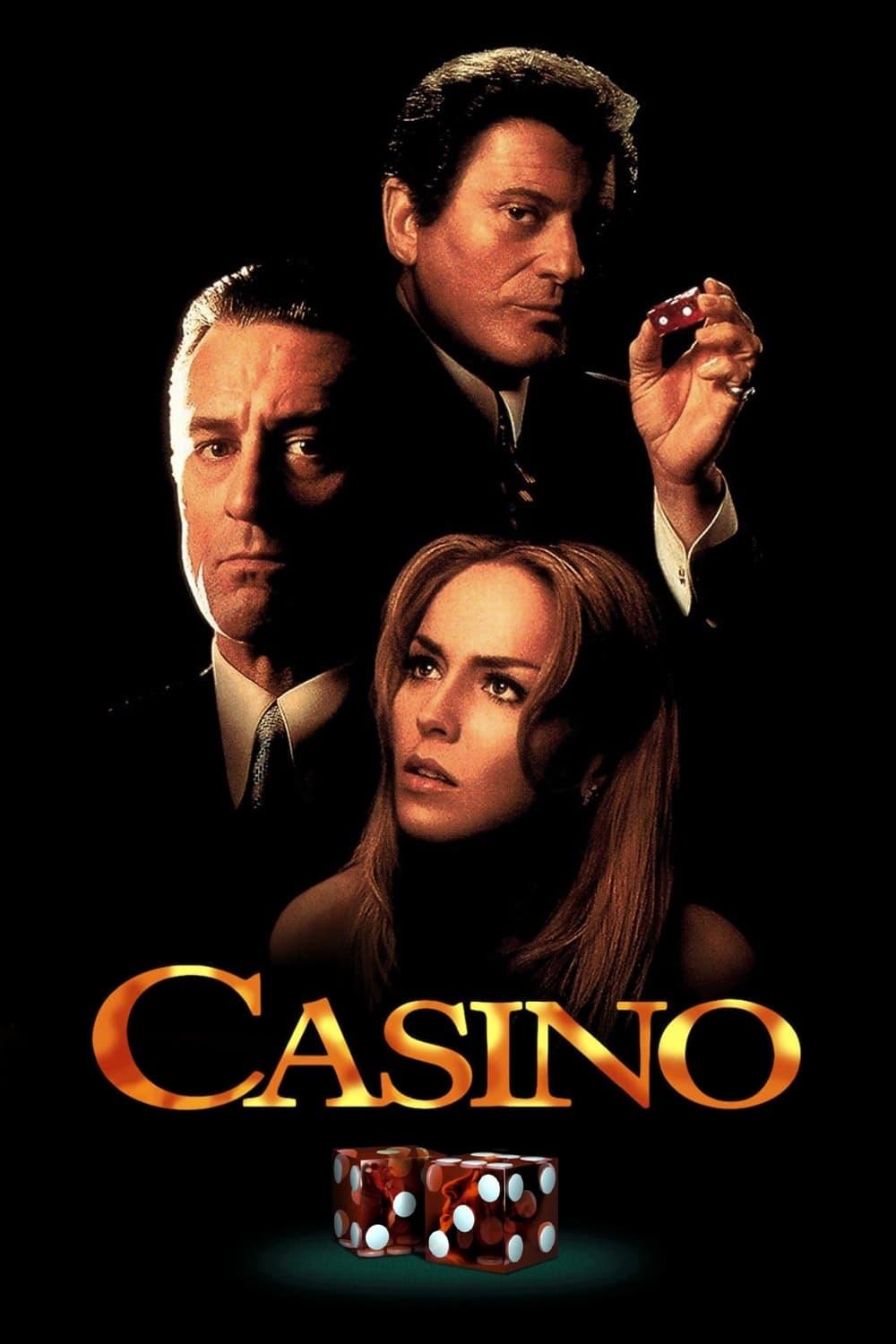
Martin Scorsese’s Casino, his glittering, brutal epic of greed, power, and betrayal returns to the big screen for its 30th anniversary!
Set against the neon-lit decadence of 1970s Las Vegas, Casino tracks the rise and fall of Sam “Ace” Rothstein (Robert De Niro), a meticulous odds-maker tapped to run a mob-backed casino. As Ace builds his empire under the watchful eye of the Chicago Outfit, he’s flanked by a loose-cannon enforcer (a feral Joe Pesci) and a hustler-turned-wife (Sharon Stone in a career-best, Oscar-nominated performance). What unfolds is a tale of loyalty eroded by ambition, love warped by control, and a city where the house always wins—until it doesn’t.
Read More
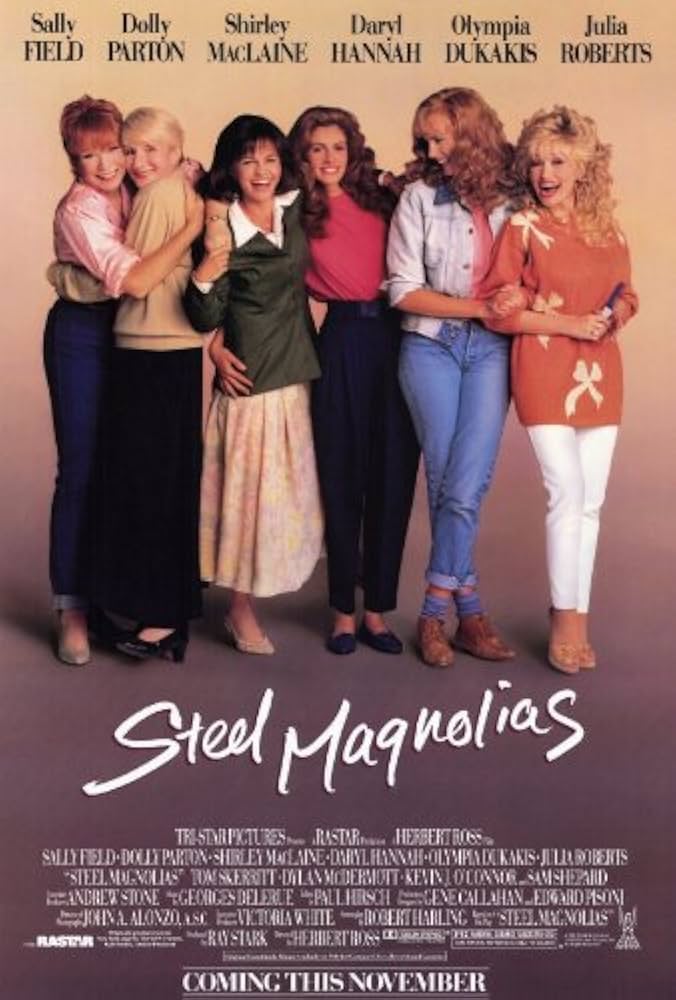
Celebrate Mother’s Day with laughter, tears, and the unstoppable strength of Southern women as we present the beloved classic Steel Magnolias!
Set in a small Louisiana town and anchored by an all-star cast (Sally Field, Julia Roberts, Dolly Parton, Shirley MacLaine, Olympia Dukakis, and Daryl Hannah…every heard of em?), this timeless story of friendship, family, and resilience is a masterclass in emotional storytelling. Bring your mom, bring some tissues, and prepare to ugly cry (in the best way).
Read More
The Frida Cinema is excited to present the new film from director Eugene Kotlyarenko–The Code! And make sure to stick around after the film for an in-person conversation with the director himself!
A sexless couple, paranoid about the status of their relationship, embraces surveillance, spying and performance as a means to fall in love again, in this absurd, high-concept comedy.
Read More
Our friends at GKIDS are bringing back the 2012 Mamoru Hosoda (The Girl Who Leapt Through Time, Mirai) film Wolf Children, now restored in glorious 4K!
A luminous coming-of-age fable with a quietly devastating emotional core, Wolf Children is a triumph of animated storytelling. This bittersweet fantasy follows a young mother raising her half-wolf children in the wake of loss—balancing the wonder of childhood with the ache of letting go. Gently surreal and deeply human, it’s a film about love, resilience, and the wild, unknowable paths we all must take to become ourselves.
This screening will be presented dubbed in the English language.
Read More
Our friends at GKIDS are bringing back the 2012 Mamoru Hosoda (The Girl Who Leapt Through Time, Mirai) film Wolf Children, now restored in glorious 4K!
A luminous coming-of-age fable with a quietly devastating emotional core, Wolf Children is a triumph of animated storytelling. This bittersweet fantasy follows a young mother raising her half-wolf children in the wake of loss—balancing the wonder of childhood with the ache of letting go. Gently surreal and deeply human, it’s a film about love, resilience, and the wild, unknowable paths we all must take to become ourselves.
This film will be presented in its original Japanese language with English subtitles.
Read More
Our 21st Century Cult series dives headfirst into psychological horror and comes out with one of the most claustrophobic, nerve-shredding films of the 2000s—Bug. Adapted from Tracy Letts’ stage play (he also wrote the screenplay), this fevered two-hander finds director William Friedkin (The French Connection, The Exorcist, Sorcerer, To Live and Die in L.A.) stripping things down to the bone: one motel room, two broken people, and a mounting delusion that morphs into full-blown apocalypse.
Ashley Judd gives a career-best performance as Agnes, a lonely, traumatized waitress holed up in a cheap Oklahoma motel. When she meets Peter (an always-electrifying Michael Shannon), a drifter with a haunted past and a theory about government-implanted bugs living under his skin, the two fall into a spiral of shared madness. What begins as a strange romance rapidly mutates into something terrifying, intimate, and hallucinatory—culminating in an operatic crescendo of love, paranoia, and self-immolation.
Read More
Our first Volunteer Of The Month pick is from Preston, who has chosen the pitch-black Martin McDonagh comedy In Bruges!
A darkly hilarious meditation on guilt, redemption, and very bad timing, In Bruges is a foul-mouthed fairy tale for sinners. Colin Farrell and Brendan Gleeson are two hitmen hiding out in a postcard-perfect Belgian city, waiting for orders and wrestling with their consciences.
McDonagh’s feature debut balances razor-sharp dialogue, brutal violence, and unexpected heart—walking the tightrope between tragedy and comedy with bloody precision. Beautiful, profane, and weirdly poignant.
Read More
We are concluding our four month David Lynch retrospective by presenting The Elephant Man, his haunting sophomore feature, now in a breathtaking new 4K restoration from Paramount Pictures. One of the most emotionally resonant and visually arresting films of the 20th century, this is the perfect way to pay our final tributes.
Shot in stark, luminous black-and-white by the legendary Freddie Francis, and produced by Mel Brooks (yes, that Mel Brooks), this Victorian-era tragedy tells the true story of John Merrick (An unforgettable John Hurt), a severely deformed man exploited in a freak show before being taken under the wing of a sympathetic surgeon, Dr. Frederick Treves (a quietly commanding Anthony Hopkins). What follows is a delicate, devastating exploration of what it means to be human in a society obsessed with appearances.
With The Elephant Man, Lynch (Eraserhead, Blue Velvet, Mulholland Drive) stepped into the mainstream without sacrificing a shred of his uncanny sensibility—crafting a deeply compassionate portrait of otherness that still stuns over four decades later.
Read More