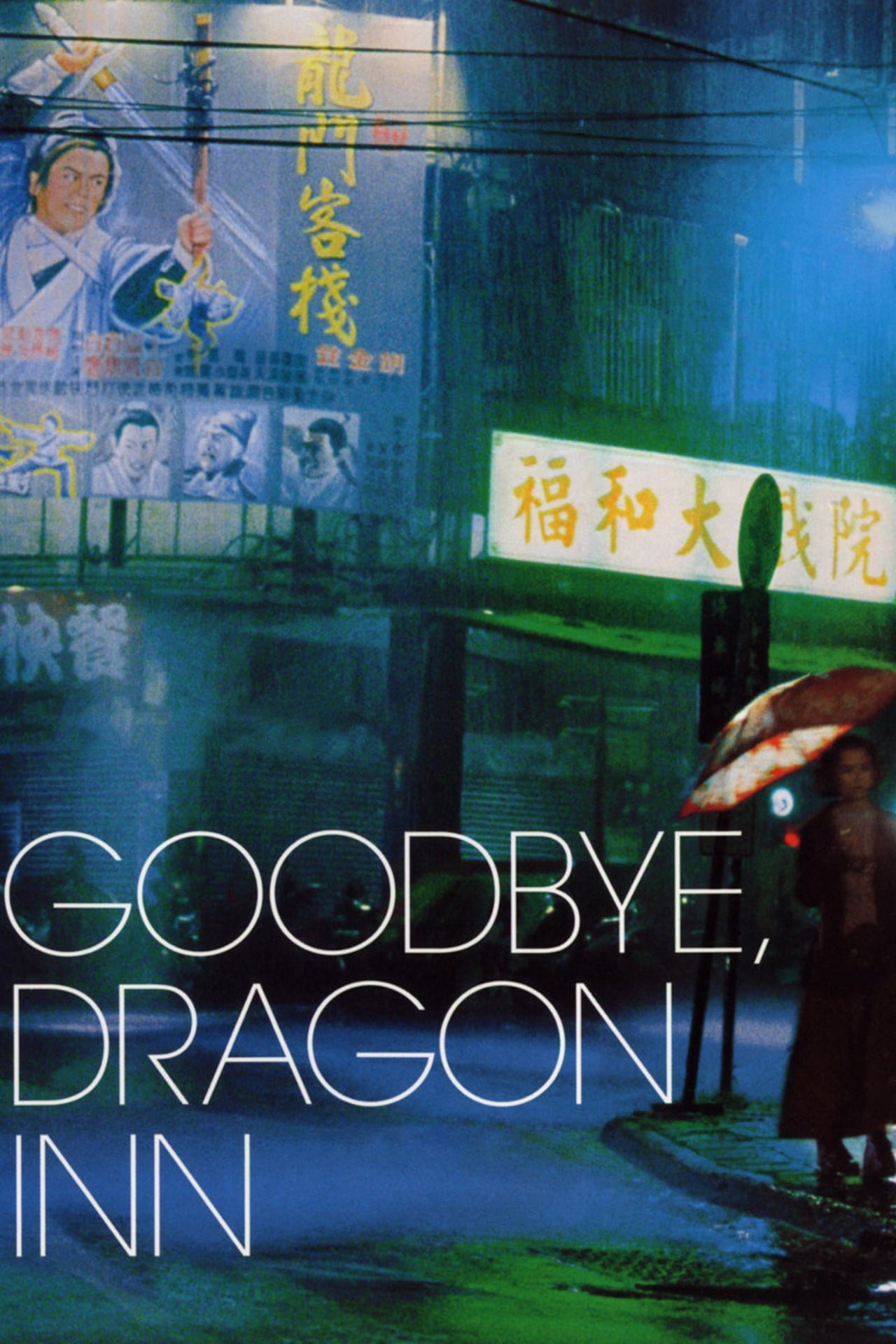
What better way to end our Art House 101: Global Queer Cinema series than by celebrating the magic of the movie theater with Tsai Ming-Liang’s haunting, hypnotic Goodbye, Dragon Inn.
On the final night before an old Taipei movie palace closes its doors, a handful of patrons gather to watch King Hu’s classic martial arts film Dragon Inn. On screen, swordsmen battle in a long-gone world of cinematic fantasy. In the theater, ghosts seem to linger in the shadows, a projectionist works almost entirely unseen, and a mysterious young man wanders through the empty corridors searching for connection. Among the sparse audience are two aging actors who once appeared together in Dragon Inn, watching themselves, and the cinema they once knew, disappear.
With almost no dialogue and an extraordinary sensitivity to the act of watching, Tsai Ming-liang transforms a nearly empty movie theater into a place of queer longing. The furtive glances, anonymous encounters, and solitary figures drifting through the darkness evoke the secretive spaces where desire has so often found refuge. Goodbye, Dragon Inn is a film about so many things: a ghost story, a love letter to cinema, and a profoundly melancholic meditation on loneliness. Goodbye, Art House 101: Global Queer Cinema!
Read More
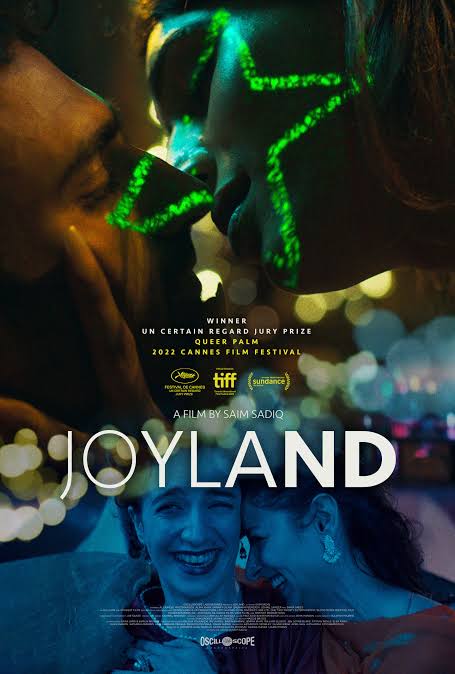
The penultimate film in our Art House 101: Global Queer Cinema series is Joyland, Saim Sadiq’s tender, quietly radical portrait of family and the complicated ways we perform the roles society gives us.
Haider lives with his wife and extended family in Lahore, where everyone seems to have a carefully prescribed role, especially the men. When Haider secretly takes a job as a backup dancer for an erotic theater troupe, he meets Biba, a magnetic transgender performer, and the two begin a relationship that forces Haider to confront desires he has spent his life suppressing. Meanwhile, the women in his family are struggling under their own impossible expectations, creating a portrait of a household where everyone is searching for some kind of freedom.
With Joyland, Sadiq brings an extraordinary tenderness to a story about a family in contemporary Pakistan. Sensual without being sensationalistic and heartbreaking without ever losing its warmth, the film became the first Pakistani film selected for the Cannes Film Festival, where it won the Queer Palm. At its heart, Joyland is about what happens when the life you’re expected to want collides with the life you secretly desire. We think it’s one of the best films of the 2020s, and a perfect fit for this series!
Read More
As we turn the corner towards the end of our Art House 101: Global Queer Cinema series, we’re celebrating one of the essential voices of contemporary queer cinema with a double feature from French filmmaker Céline Sciamma: Water Lilies + Tomboy.
Sciamma’s debut feature, Water Lilies, plunges into the charged world of teenage desire, where a sexual awakening can feel impossibly intense. When Marie befriends Floriane, the star of a local synchronized swimming team, she becomes fascinated by her new friend, even as Floriane’s complicated relationship with her own sexuality begins to blur the boundaries between admiration and desire.
Then, in Tomboy, Sciamma turns her gaze toward gender identity through the eyes of a ten-year-old child. After moving to a new neighborhood, Laure introduces herself to the other children as “Michaël,” beginning to navigate friendships, play, and first love while keeping her secret from her family. What begins as a simple childhood game gradually becomes a tender exploration of discovering who you might be.
Long before Portrait of a Lady on Fire, Sciamma was already making some of the most quietly radical films about queer desire and identity. This double feature is an exemplary early showcase of her extraordinary talent.
There will be a 10 minute intermission between the movies. One ticket gets you access to both films.
Read More
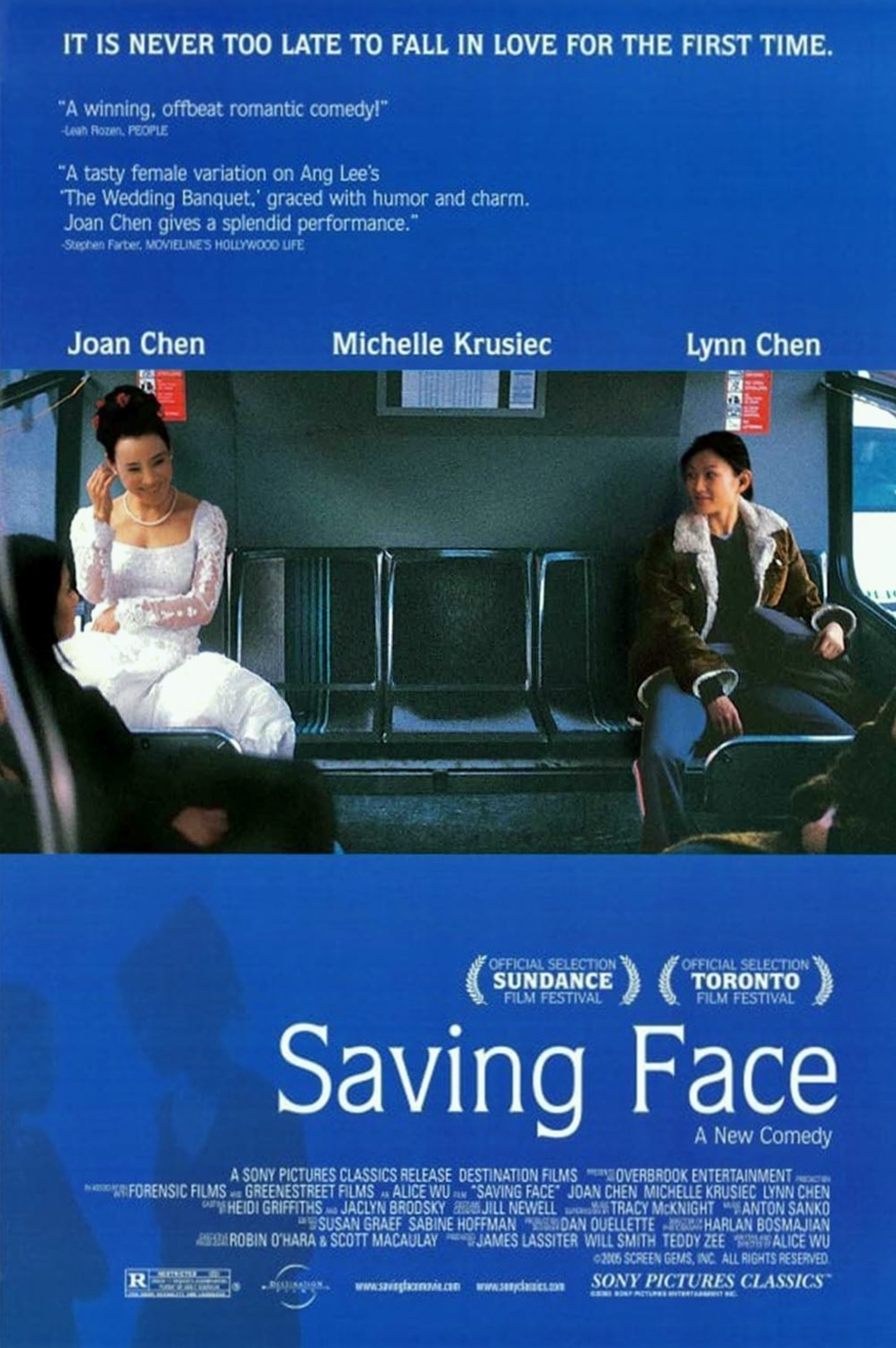
For the next film in our Art House 101: Global Queer Cinema series, we’re looking through the eyes of a filmmaker who brought her own cultural experience to a story about family, identity, and falling in love: Alice Wu’s Saving Face.
Wil is a successful young surgeon living in New York’s tight-knit Chinese-American community, where her single life is already a source of concern for her traditional mother. But when her mother unexpectedly becomes pregnant and is sent to live with Wil, the pressure to maintain the family’s reputation only intensifies. Then Wil meets Vivian, a beautiful and openly queer ballet dancer, and finds herself falling in love, forcing her to choose between the expectations placed upon her and the life she actually wants.
Drawing from her own experiences as a queer Chinese-American woman, Alice Wu’s Saving Face is a deeply personal romantic comedy about the complicated ways sexuality shape who we allow ourselves to become. With its charming performances and refusal to choose between cultural tradition and queer identity, Wu created a film that understands that sometimes the hardest person to come out to is yourself.
Read More
Just added: film critic and author Alonso Duralde will be joining us for the 8:00PM screening on November 9th to introduce the film and sign copies of his book Hollywood Pride!
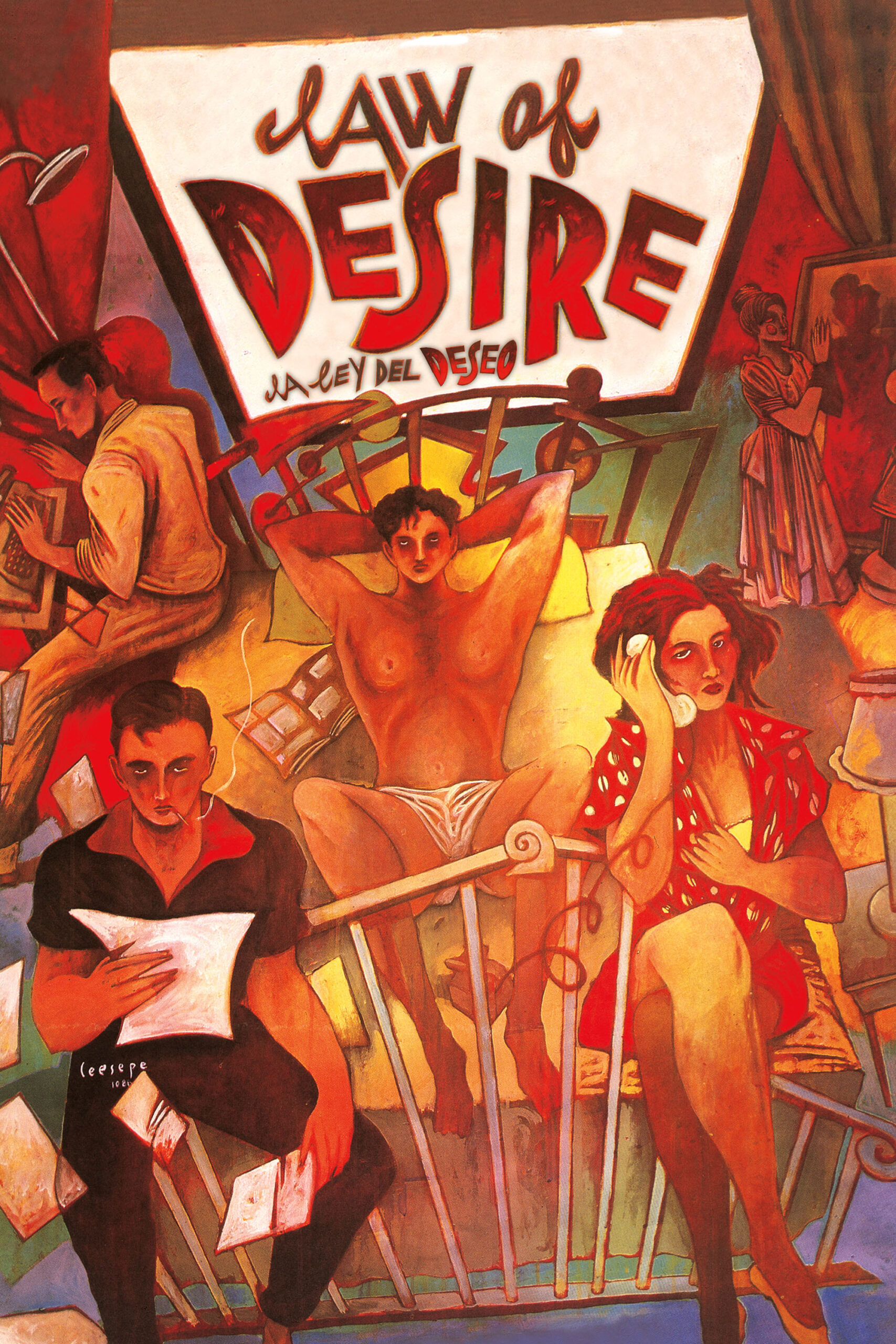
Few filmmakers have embraced queer desire with as much style, humor, and glorious melodrama as Pedro Almodóvar. So of course we had to include his work in our Art House 101: Global Queer Cinema series! We’ve played the hits before, so now we’re diving headfirst into one of his earliest and most deliriously queer films: Law of Desire.
Pablo Quintero is a successful filmmaker whose latest movie has just premiered to acclaim, but his personal life is considerably less orderly. His former lover has disappeared from his life, his trans sister Tina is dealing with her own complicated romantic history, and a handsome young admirer named Antonio has become dangerously obsessed with him. When Pablo rejects Antonio’s advances, desire quickly curdles into jealousy…and so much more.
Made just a few years after Spain emerged from Franco’s dictatorship, Law of Desire finds Almodóvar throwing open the doors to a world of queer sexuality, gender fluidity, artistic ambition, and unapologetic excess. Anchored by unforgettable performances from Eusebio Poncela, Carmen Maura, and Antonio Banderas, the film is a feverishly funny and dare we say…very sexy. Don’t miss your chance to see it on the big screen!
Read More
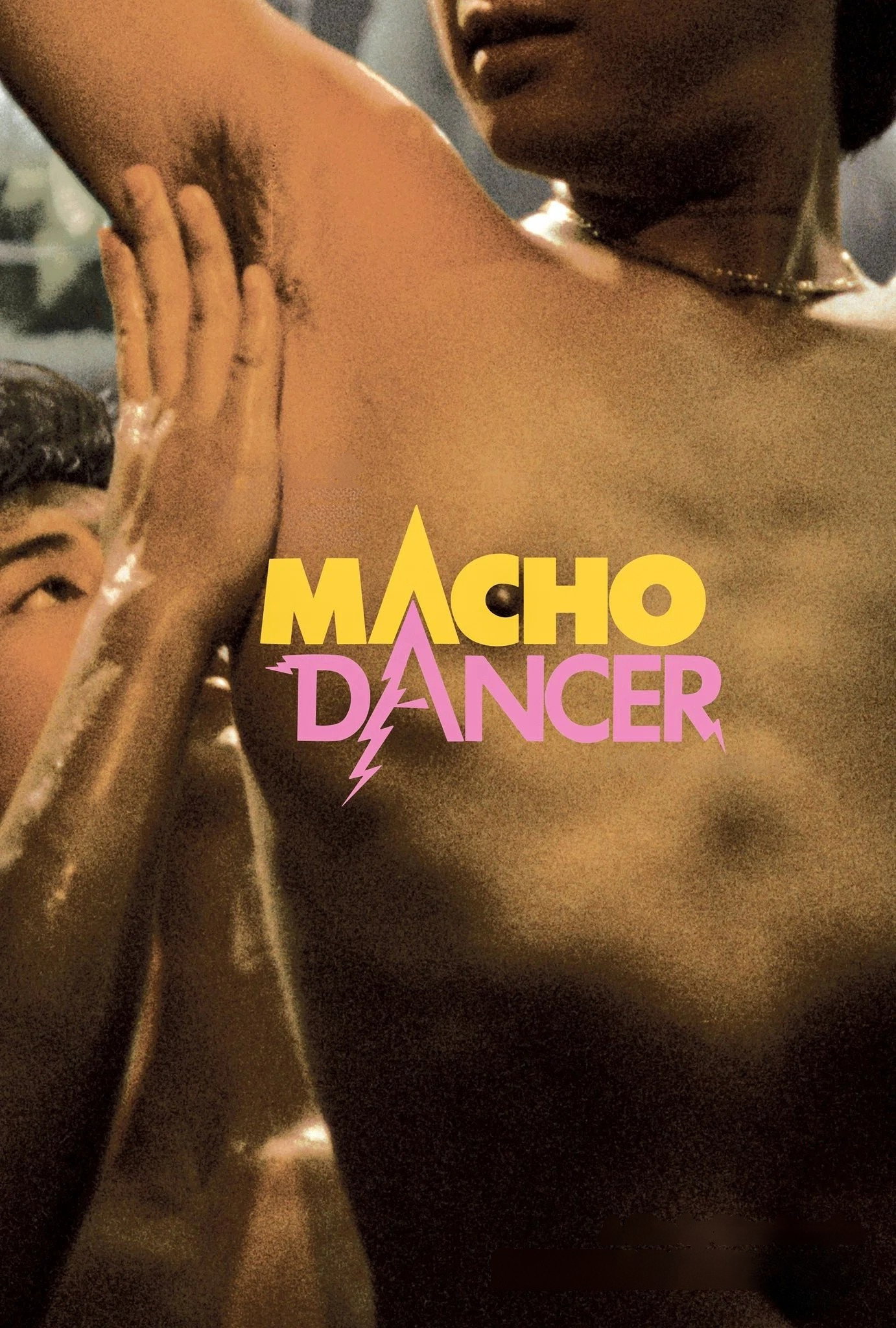
Our Art House 101: Global Queer Cinema series is headed to the Philippines for one of the most daring and influential films in the country’s queer cinema history: Macho Dancer.
After being expelled from the military, a young man named Pol leaves his provincial home for Manila, where he finds work as a macho dancer in a seedy nightclub. But beneath the glitter and spectacle of the club lies a dangerous world of exploitation, drugs, prostitution, and corruption. As Pol becomes increasingly entangled in the lives of the men and women around him, his search for survival becomes inseparable from a society rotting beneath the surface.
Directed by Lino Brocka, one of the giants of Philippine cinema, Macho Dancer is a provocative film about sexuality and political oppression. Made during the final years of Ferdinand Marcos’ dictatorship, Brocka uses the world of male sex work to expose the desperation and corruption of a society where virtually everything, including the concept of desire itself, can become a commodity. Come support this landmark of Filipino queer cinema and a powerful act of cinematic resistance on the big screen.
Read More
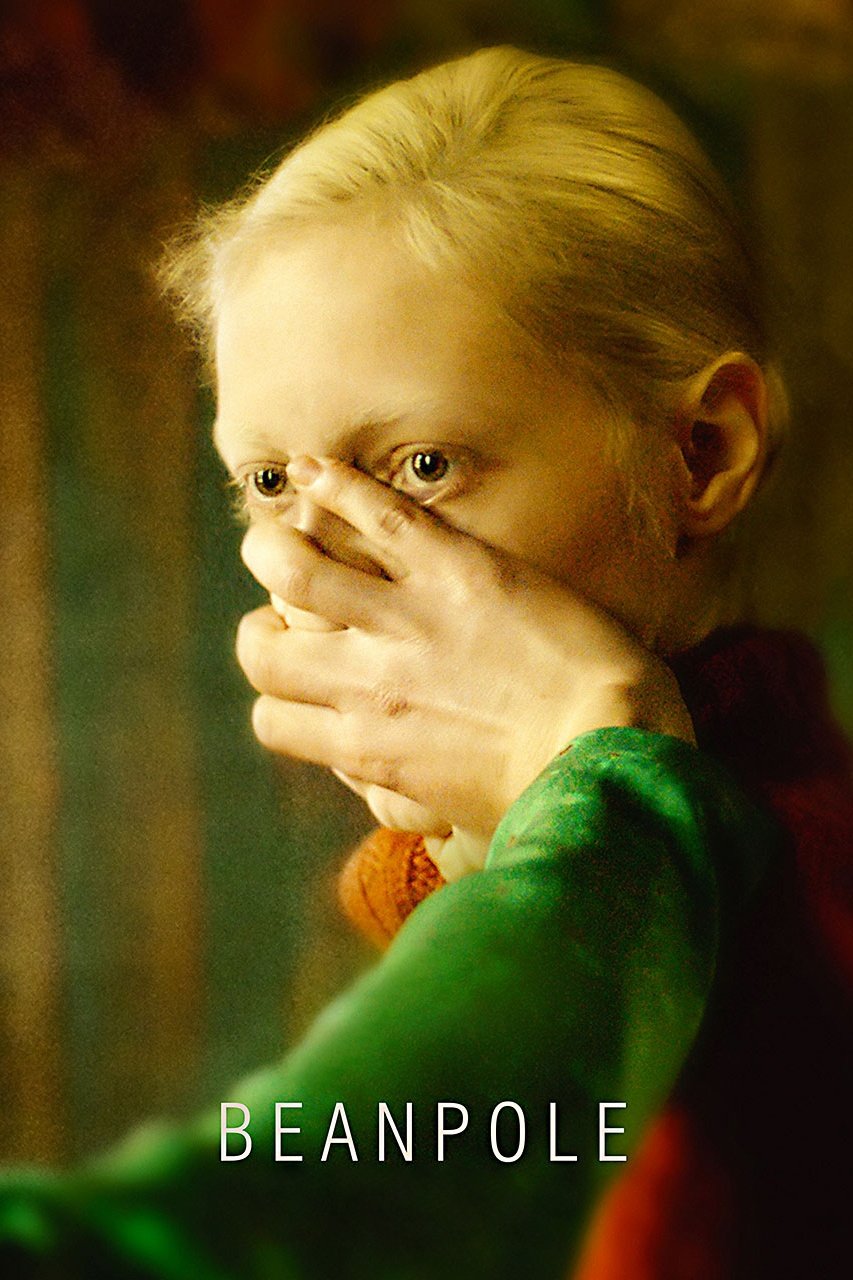
Continuing our journey through the many forms Queer Cinema can take, The Frida Cinema is proud to present Kantemir Balagov’s devastating postwar drama: Beanpole.
In the ruins of Leningrad just after the end of World War II, two young women struggle to rebuild their lives after serving together on the front lines. Iya, a physically imposing nurse known as “Beanpole,” suffers from mysterious seizures that leave her incapacitated, while her fiercely determined friend Masha returns from the war carrying a secret that binds their futures together. As the two women attempt to find some semblance of normalcy amid the devastation, their intense and often volatile relationship becomes the center of their shattered world.
Winner of the Best Director prize in the Un Certain Regard section at Cannes, Balagov’s Beanpole is a haunting portrait of survival. Less explicitly queer as some of the other films in this series, this is an overwhelming portrait of two women searching for connection in a world that has been almost completely destroyed.
Read More
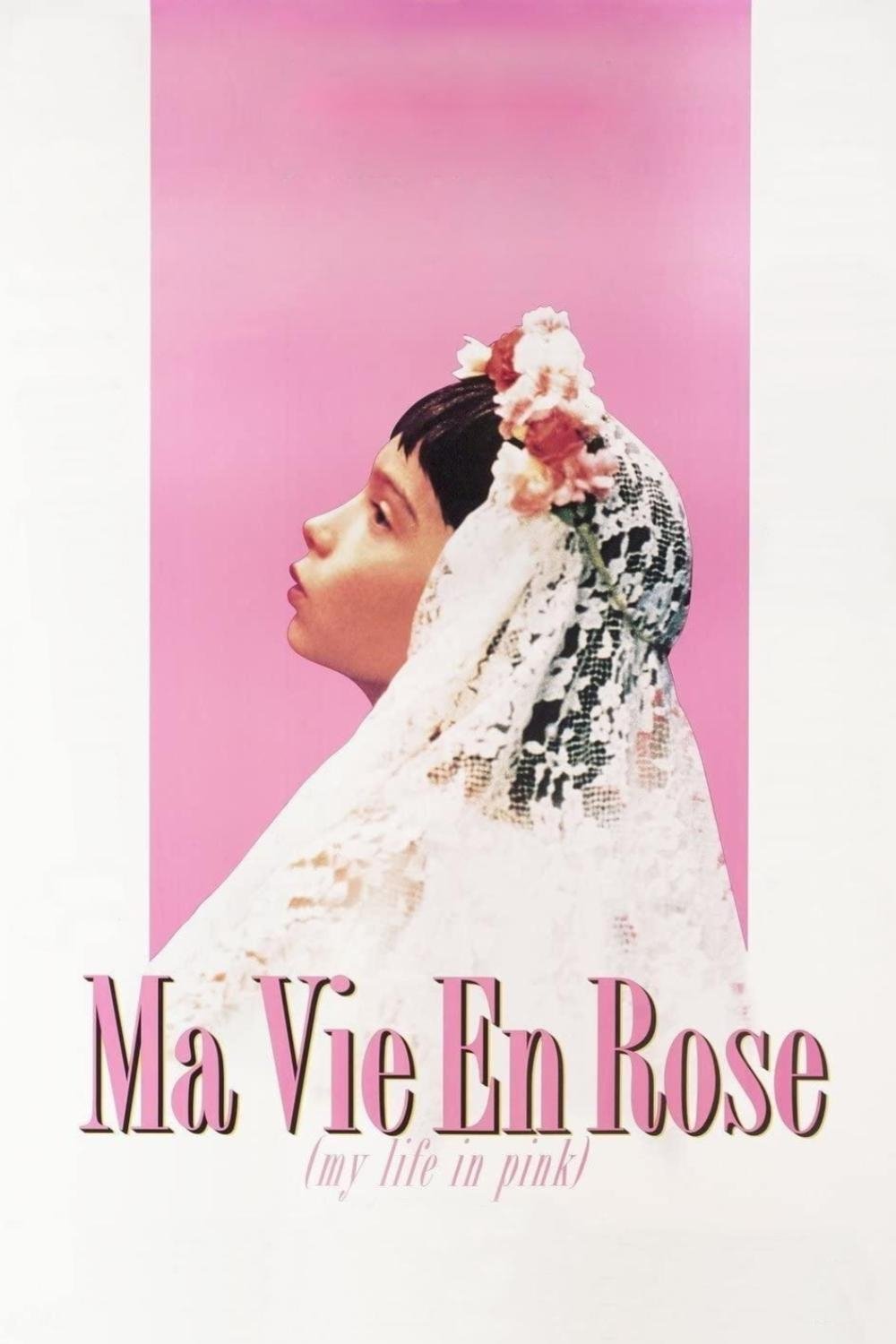
Our Art House 101: Global Queer Cinema series continues with two groundbreaking films that explore queer identity through radically different perspectives: Ma Vie en Rose + Je Tu Il Elle.
First, Ma Vie en Rose follows Ludovic, a young child who knows from an early age that she wants to live as a girl. As Ludovic begins expressing her identity more openly, her family and suburban community struggle to understand, and ultimately accept, the person she knows herself to be. Director Alain Berliner approaches Ludovic’s story wutg a child’s-eye sense of wonder, creating a tender portrait of gender identity that refuses to treat its protagonist as anything less than fully herself.
Then, Frida Faorite Chantal Akerman’s Je tu il elle offers a starkly different vision of queer desire. Akerman stars as a young woman who retreats into isolation following a breakup, spending her days alone before embarking on a journey that brings her into encounters with a truck driver and, ultimately, her former lover. Deeply intimate, the film turns sexual identity into an intensely physical cinematic experience.
Together, these two movies offer two radically different visions of queer self-discovery but are ultimately united by their belief in the power of seeing and accepting oneself on your own terms.
There will be a 10 minute intermission between the movies. One ticket gets you access to both films.
Read More
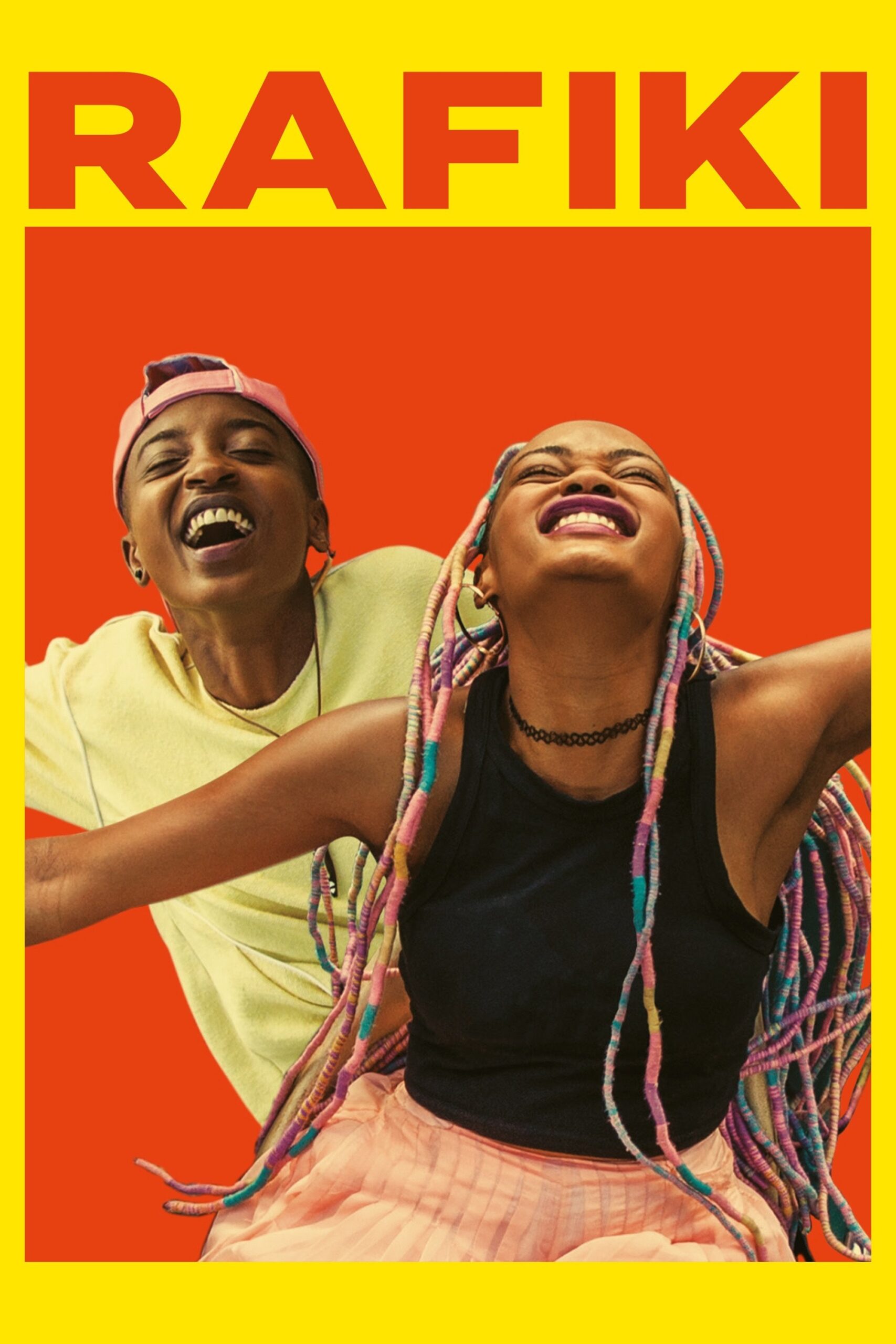
Our Art House 101: Global Queer Cinema series is continuing its journey around the world with a landmark of contemporary African cinema: Rafiki.
When Kena and Ziki, the daughters of two rival politicians in Nairobi, meet and fall for each other, their friendship quickly blossoms into something deeper. But in a country where homosexuality remains criminalized and deeply stigmatized, their romance threatens to upend not only their families’ political ambitions, but their own lives. As the two young women attempt to carve out a space for themselves, they’re forced to confront a world that refuses to accept their love.
Directed by Wanuri Kahiu, Rafiki is a defiantly joyful story of young queer love. Bursting with an undeniable sense of youthful possibility, Kahiu’s film finds beauty and resilience in the simple act of falling in love.
Read More
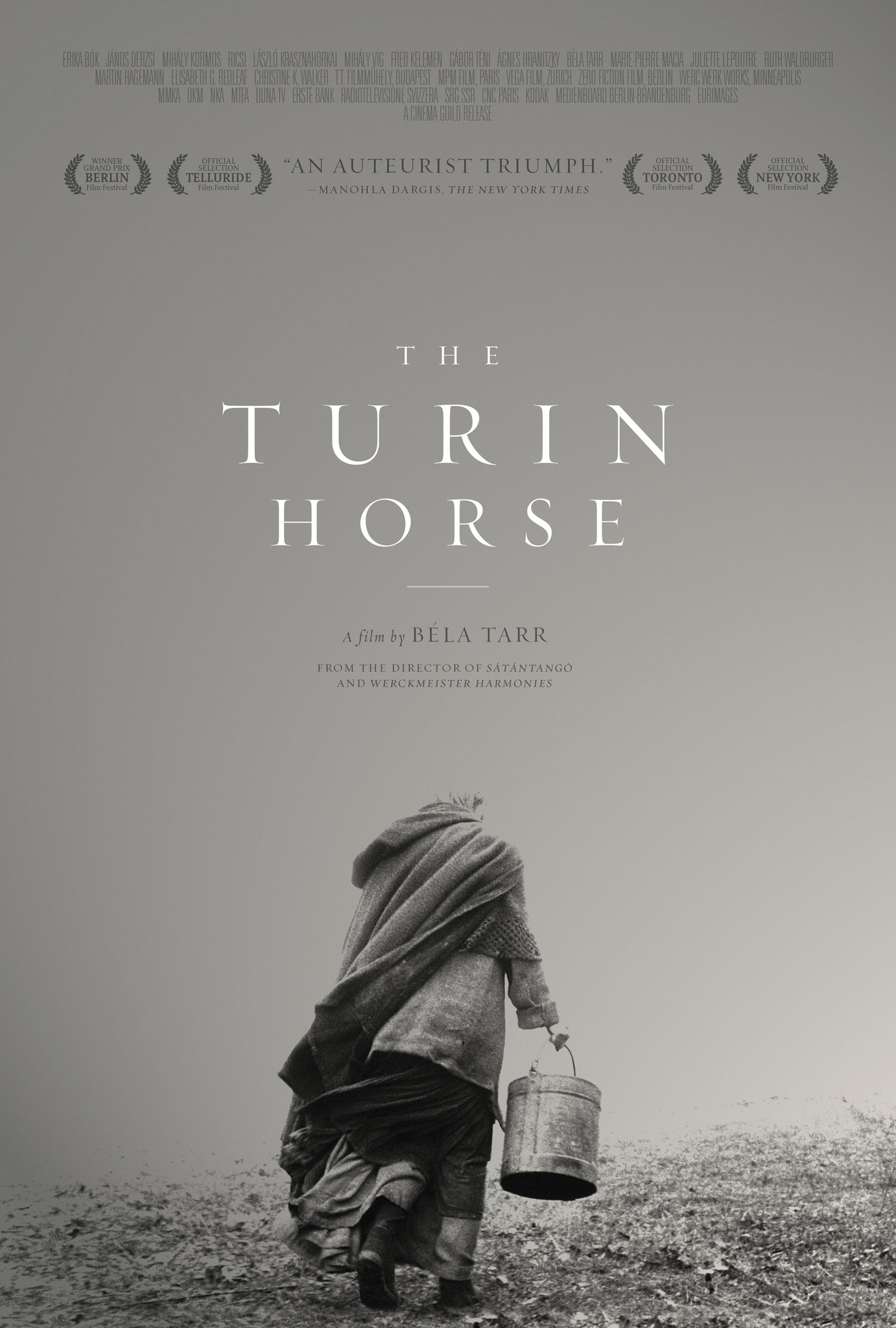
The final film in our Béla Tarr Retrospective is The Turin Horse, his 2011 swan song.
Inspired by the legendary 1889 incident where philosopher Friedrich Nietzsche witnessed a cab driver whipping a stubborn horse in Turin, Italy, and collapsed after embracing the animal. The film tracks the bleak, repetitive daily survival of the aging driver, his daughter, and their horse amid a relentless windstorm.
Declared by Tarr as his final feature film, it is celebrated as a masterpiece of modern minimalist cinema and long-take cinematography. Don’t miss this new restoration on the big screen!
Read More