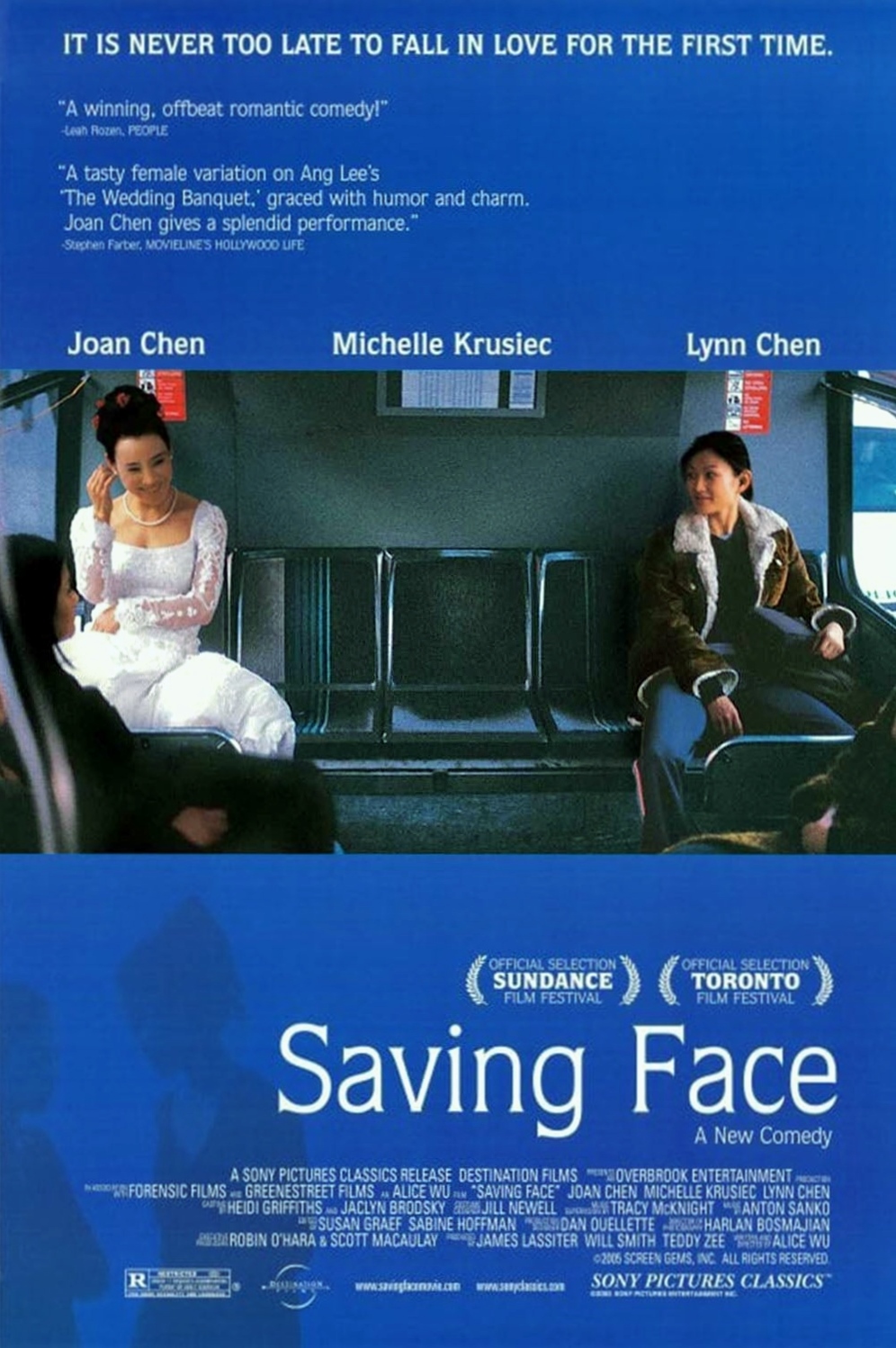
For the next film in our Art House 101: Global Queer Cinema series, we’re looking through the eyes of a filmmaker who brought her own cultural experience to a story about family, identity, and falling in love: Alice Wu’s Saving Face.
Wil is a successful young surgeon living in New York’s tight-knit Chinese-American community, where her single life is already a source of concern for her traditional mother. But when her mother unexpectedly becomes pregnant and is sent to live with Wil, the pressure to maintain the family’s reputation only intensifies. Then Wil meets Vivian, a beautiful and openly queer ballet dancer, and finds herself falling in love, forcing her to choose between the expectations placed upon her and the life she actually wants.
Drawing from her own experiences as a queer Chinese-American woman, Alice Wu’s Saving Face is a deeply personal romantic comedy about the complicated ways sexuality shape who we allow ourselves to become. With its charming performances and refusal to choose between cultural tradition and queer identity, Wu created a film that understands that sometimes the hardest person to come out to is yourself.
Read More
Just added: film critic and author Alonso Duralde will be joining us for the 8:00PM screening on November 9th to introduce the film and sign copies of his book Hollywood Pride!
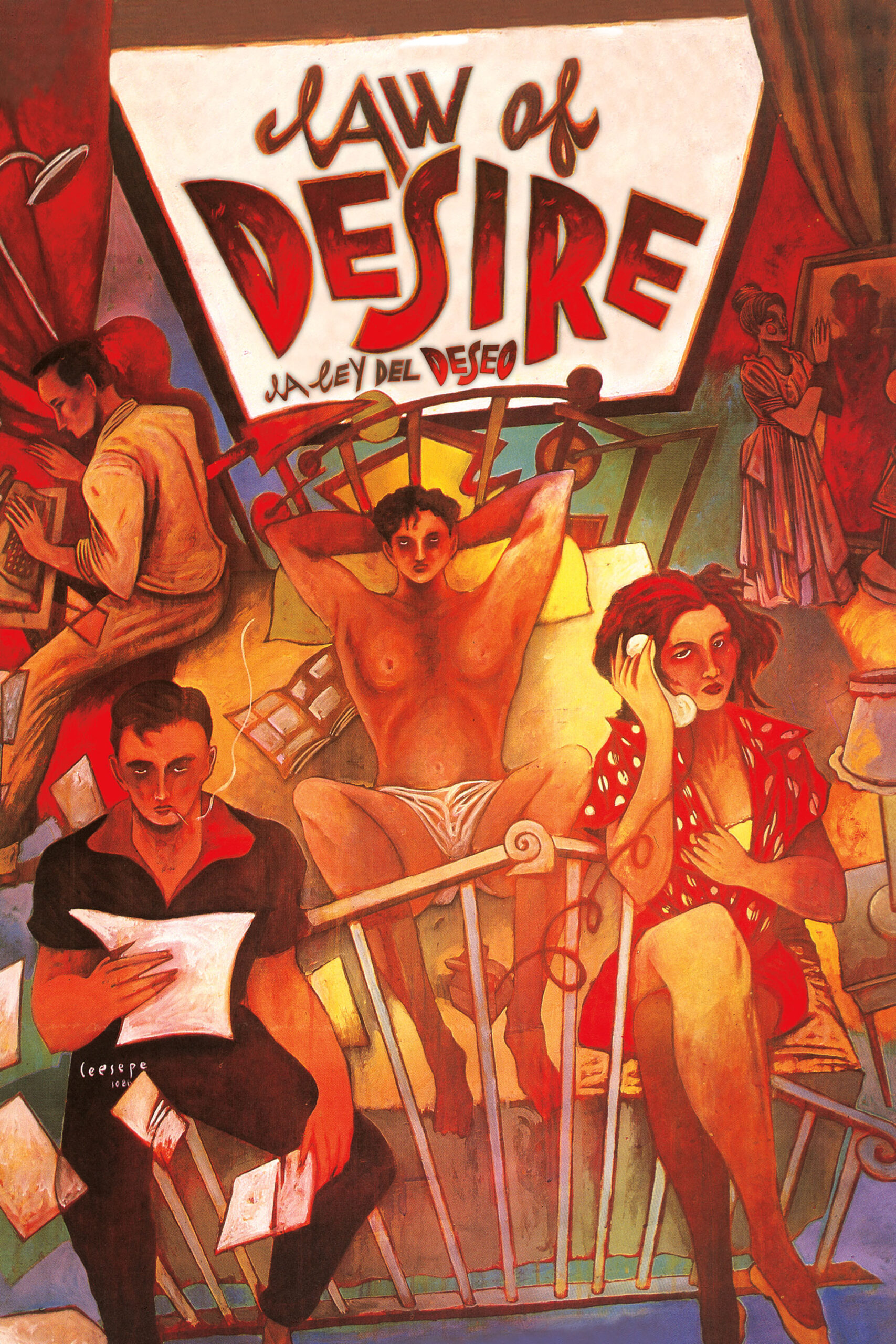
Few filmmakers have embraced queer desire with as much style, humor, and glorious melodrama as Pedro Almodóvar. So of course we had to include his work in our Art House 101: Global Queer Cinema series! We’ve played the hits before, so now we’re diving headfirst into one of his earliest and most deliriously queer films: Law of Desire.
Pablo Quintero is a successful filmmaker whose latest movie has just premiered to acclaim, but his personal life is considerably less orderly. His former lover has disappeared from his life, his trans sister Tina is dealing with her own complicated romantic history, and a handsome young admirer named Antonio has become dangerously obsessed with him. When Pablo rejects Antonio’s advances, desire quickly curdles into jealousy…and so much more.
Made just a few years after Spain emerged from Franco’s dictatorship, Law of Desire finds Almodóvar throwing open the doors to a world of queer sexuality, gender fluidity, artistic ambition, and unapologetic excess. Anchored by unforgettable performances from Eusebio Poncela, Carmen Maura, and Antonio Banderas, the film is a feverishly funny and dare we say…very sexy. Don’t miss your chance to see it on the big screen!
Read More
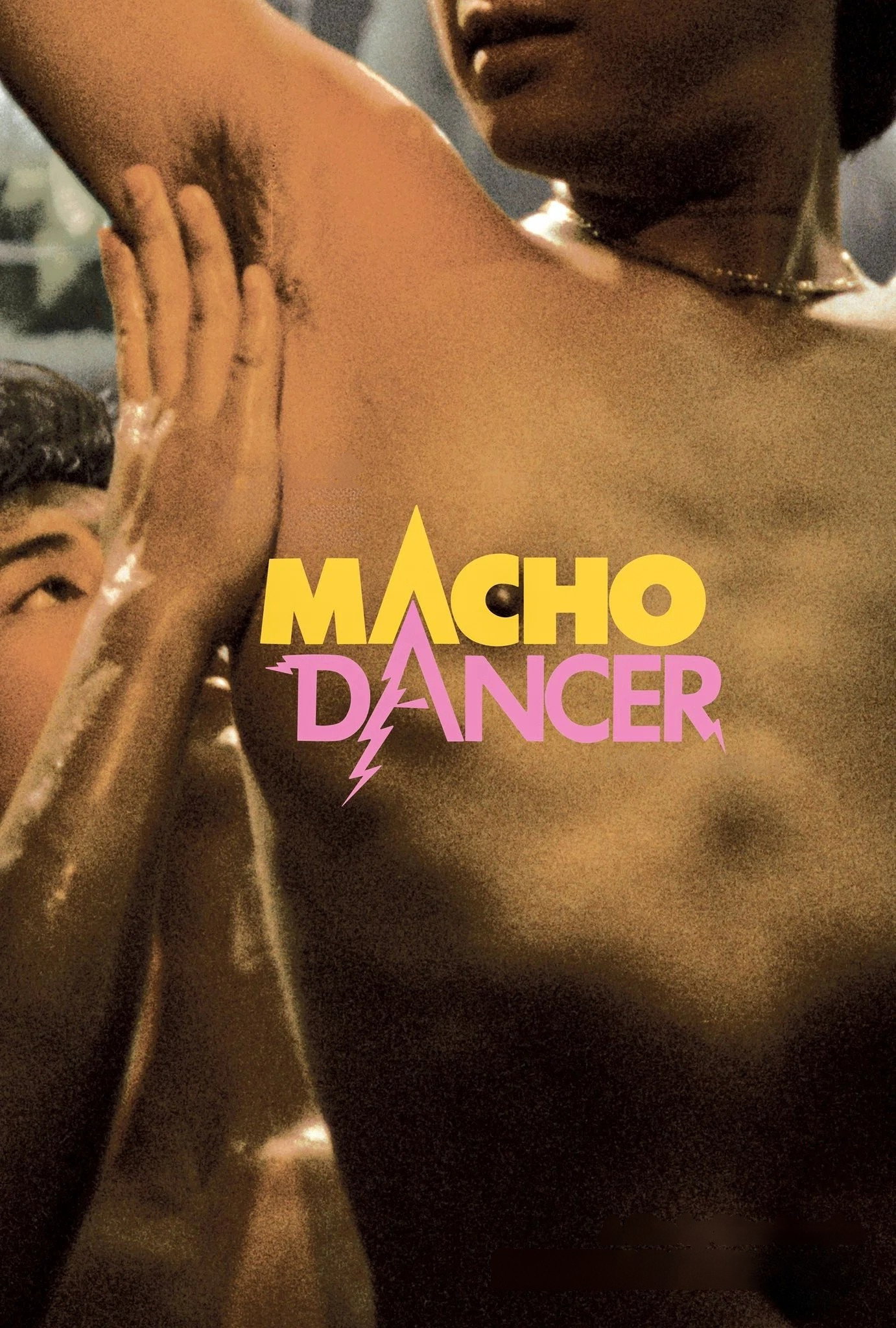
Our Art House 101: Global Queer Cinema series is headed to the Philippines for one of the most daring and influential films in the country’s queer cinema history: Macho Dancer.
After being expelled from the military, a young man named Pol leaves his provincial home for Manila, where he finds work as a macho dancer in a seedy nightclub. But beneath the glitter and spectacle of the club lies a dangerous world of exploitation, drugs, prostitution, and corruption. As Pol becomes increasingly entangled in the lives of the men and women around him, his search for survival becomes inseparable from a society rotting beneath the surface.
Directed by Lino Brocka, one of the giants of Philippine cinema, Macho Dancer is a provocative film about sexuality and political oppression. Made during the final years of Ferdinand Marcos’ dictatorship, Brocka uses the world of male sex work to expose the desperation and corruption of a society where virtually everything, including the concept of desire itself, can become a commodity. Come support this landmark of Filipino queer cinema and a powerful act of cinematic resistance on the big screen.
Read More
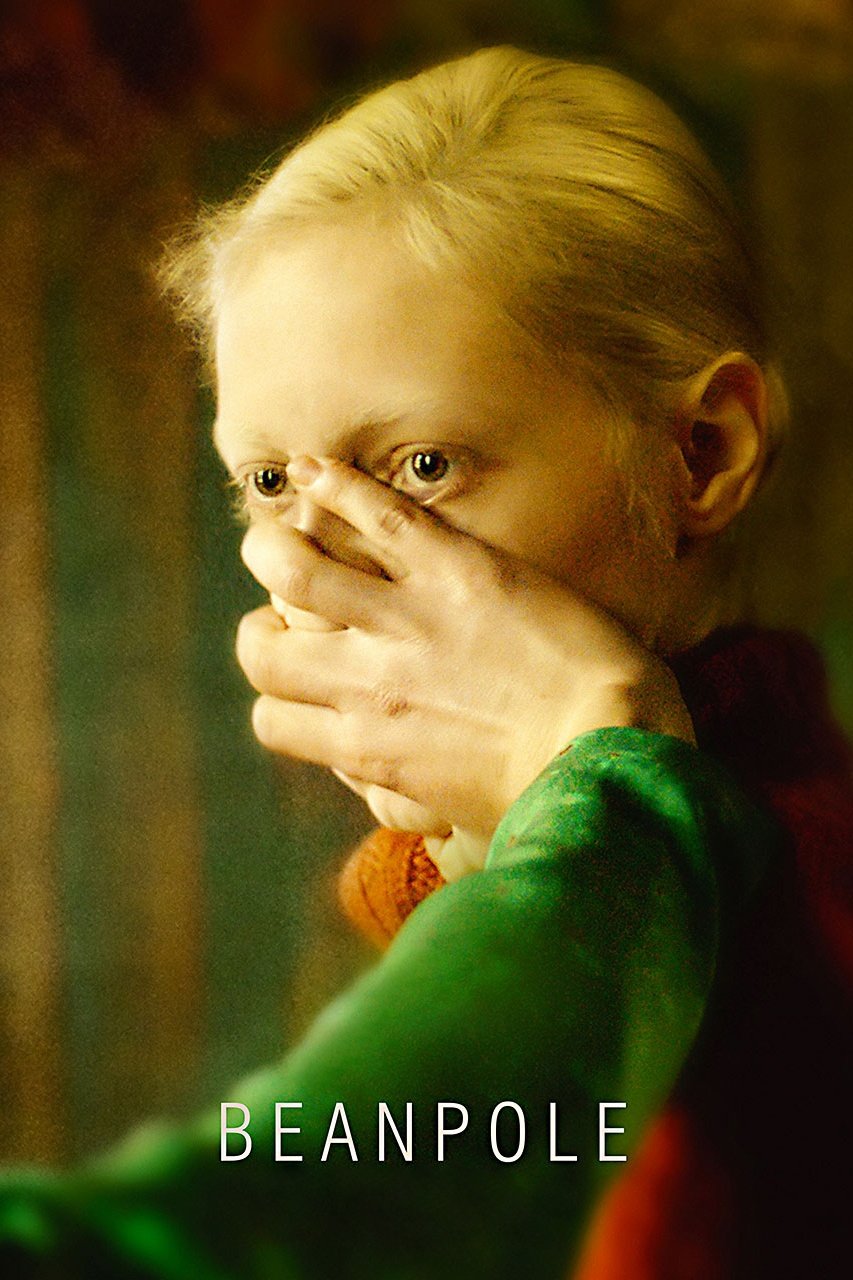
Continuing our journey through the many forms Queer Cinema can take, The Frida Cinema is proud to present Kantemir Balagov’s devastating postwar drama: Beanpole.
In the ruins of Leningrad just after the end of World War II, two young women struggle to rebuild their lives after serving together on the front lines. Iya, a physically imposing nurse known as “Beanpole,” suffers from mysterious seizures that leave her incapacitated, while her fiercely determined friend Masha returns from the war carrying a secret that binds their futures together. As the two women attempt to find some semblance of normalcy amid the devastation, their intense and often volatile relationship becomes the center of their shattered world.
Winner of the Best Director prize in the Un Certain Regard section at Cannes, Balagov’s Beanpole is a haunting portrait of survival. Less explicitly queer as some of the other films in this series, this is an overwhelming portrait of two women searching for connection in a world that has been almost completely destroyed.
Read More
Our Art House 101: Global Queer Cinema series continues with two groundbreaking films that explore queer identity through radically different perspectives: Ma Vie en Rose + Je Tu Il Elle.
First, Ma Vie en Rose follows Ludovic, a young child who knows from an early age that she wants to live as a girl. As Ludovic begins expressing her identity more openly, her family and suburban community struggle to understand, and ultimately accept, the person she knows herself to be. Director Alain Berliner approaches Ludovic’s story wutg a child’s-eye sense of wonder, creating a tender portrait of gender identity that refuses to treat its protagonist as anything less than fully herself.
Then, Frida Faorite Chantal Akerman’s Je tu il elle offers a starkly different vision of queer desire. Akerman stars as a young woman who retreats into isolation following a breakup, spending her days alone before embarking on a journey that brings her into encounters with a truck driver and, ultimately, her former lover. Deeply intimate, the film turns sexual identity into an intensely physical cinematic experience.
Together, these two movies offer two radically different visions of queer self-discovery but are ultimately united by their belief in the power of seeing and accepting oneself on your own terms.
There will be a 10 minute intermission between the movies. One ticket gets you access to both films.
Read More
Our Art House 101: Global Queer Cinema series is continuing its journey around the world with a landmark of contemporary African cinema: Rafiki.
When Kena and Ziki, the daughters of two rival politicians in Nairobi, meet and fall for each other, their friendship quickly blossoms into something deeper. But in a country where homosexuality remains criminalized and deeply stigmatized, their romance threatens to upend not only their families’ political ambitions, but their own lives. As the two young women attempt to carve out a space for themselves, they’re forced to confront a world that refuses to accept their love.
Directed by Wanuri Kahiu, Rafiki is a defiantly joyful story of young queer love. Bursting with an undeniable sense of youthful possibility, Kahiu’s film finds beauty and resilience in the simple act of falling in love.
Read More
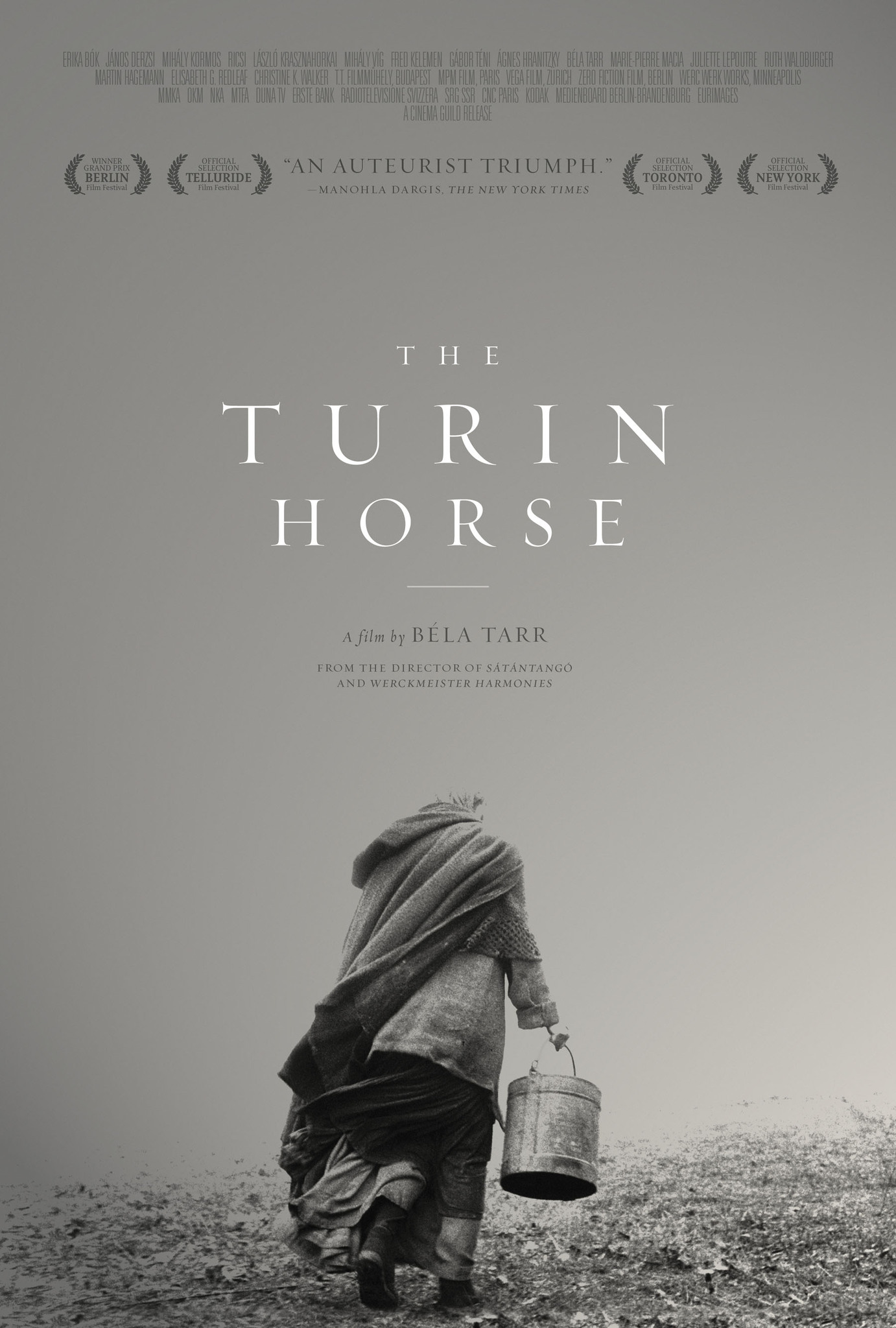
The final film in our Béla Tarr Retrospective is The Turin Horse, his 2011 swan song.
Inspired by the legendary 1889 incident where philosopher Friedrich Nietzsche witnessed a cab driver whipping a stubborn horse in Turin, Italy, and collapsed after embracing the animal. The film tracks the bleak, repetitive daily survival of the aging driver, his daughter, and their horse amid a relentless windstorm.
Declared by Tarr as his final feature film, it is celebrated as a masterpiece of modern minimalist cinema and long-take cinematography. Don’t miss this new restoration on the big screen!
Read More
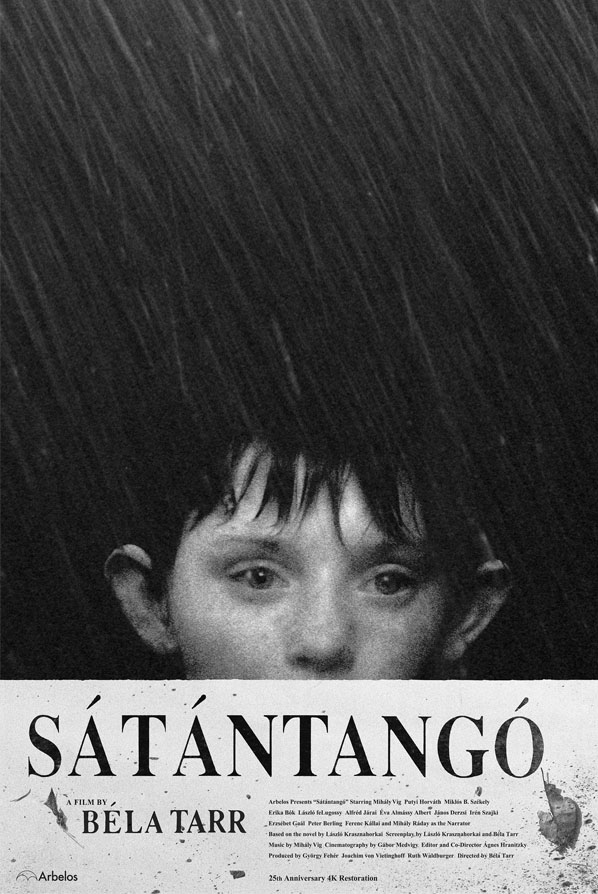
One of the greatest achievements in recent art house cinema and a seminal work of “slow cinema,” Sátántangó, based on the book by László Krasznahorkai is the third film in our Béla Tarr Retrospective.
The film follows members of a small, defunct agricultural collective living in a post-apocalyptic landscape after the fall of Communism who, on the heels of a large financial windfall, set out to leave their village. As a few of the villagers secretly conspire to take off with all of the earnings for themselves, a mysterious character, long thought dead, returns to the village, altering the course of everyone’s lives forever.
Shot in stunning black-and-white by Gábor Medvigy and filled with exquisitely composed and lyrical long takes, Sátántangó unfolds in twelve distinct movements, alternating forwards and backwards in time, echoing the structure of a tango dance. Tarr’s vision, aided by longtime partner and collaborator Ágnes Hranitzky, is enthralling and his portrayal of a rural Hungary beset by boozy dance parties, treachery, and near-perpetual rainfall is both transfixing and uncompromising.
Sátántangó has been justly lauded by critics and audiences as a masterpiece and inspired none other than Susan Sontag to proclaim that she would be “glad to see it every year for the rest of [her] life”.
Sátántangó has been restored in 4K from the original 35mm camera negative by Arbelos in collaboration with The Hungarian Filmlab.
Read More
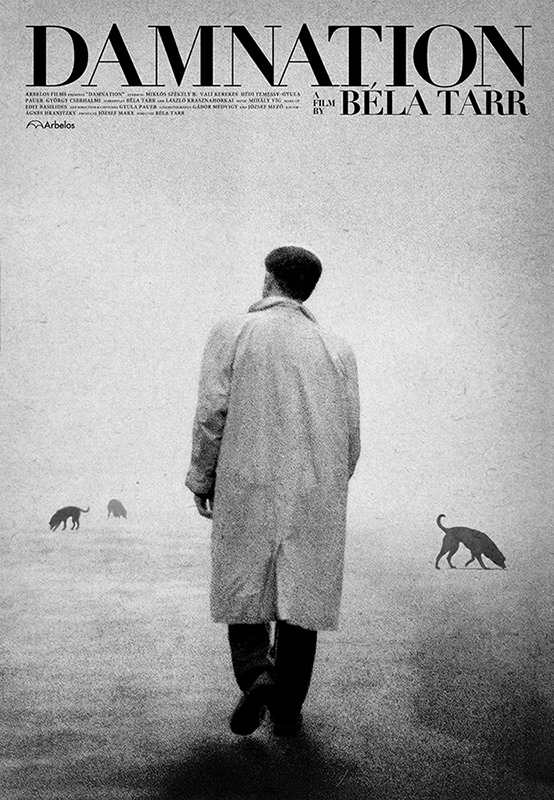
A mid-career masterwork by legendary Hungarian art house auteur Béla Tarr and the first of his internationally acclaimed trilogy of films written in collaboration with author László Krasznahorkai (including the legendary Sátántangó), Damnation is the second film in our Béla Tarr Retrospective.
The film chronicles the doomed affair between bar Titanik regular Karrer (Sátántangó’s Miklós B. Székely) and the cruel cabaret singer (Vali Kerekes) he pines for while scheming to displace her brutish husband (György Cserhalmi).
A poignant Communism allegory that solidified Tarr’s unique aesthetic, Damnation is photographed in an exquisitely black & white palette underscored by the mesmerizing long takes that would come to be his trademark.
Damnation has been restored in 4K from the original 35mm camera negative by the Hungarian National Film Institute Film Archive under the supervision of Béla Tarr himself.
Read More
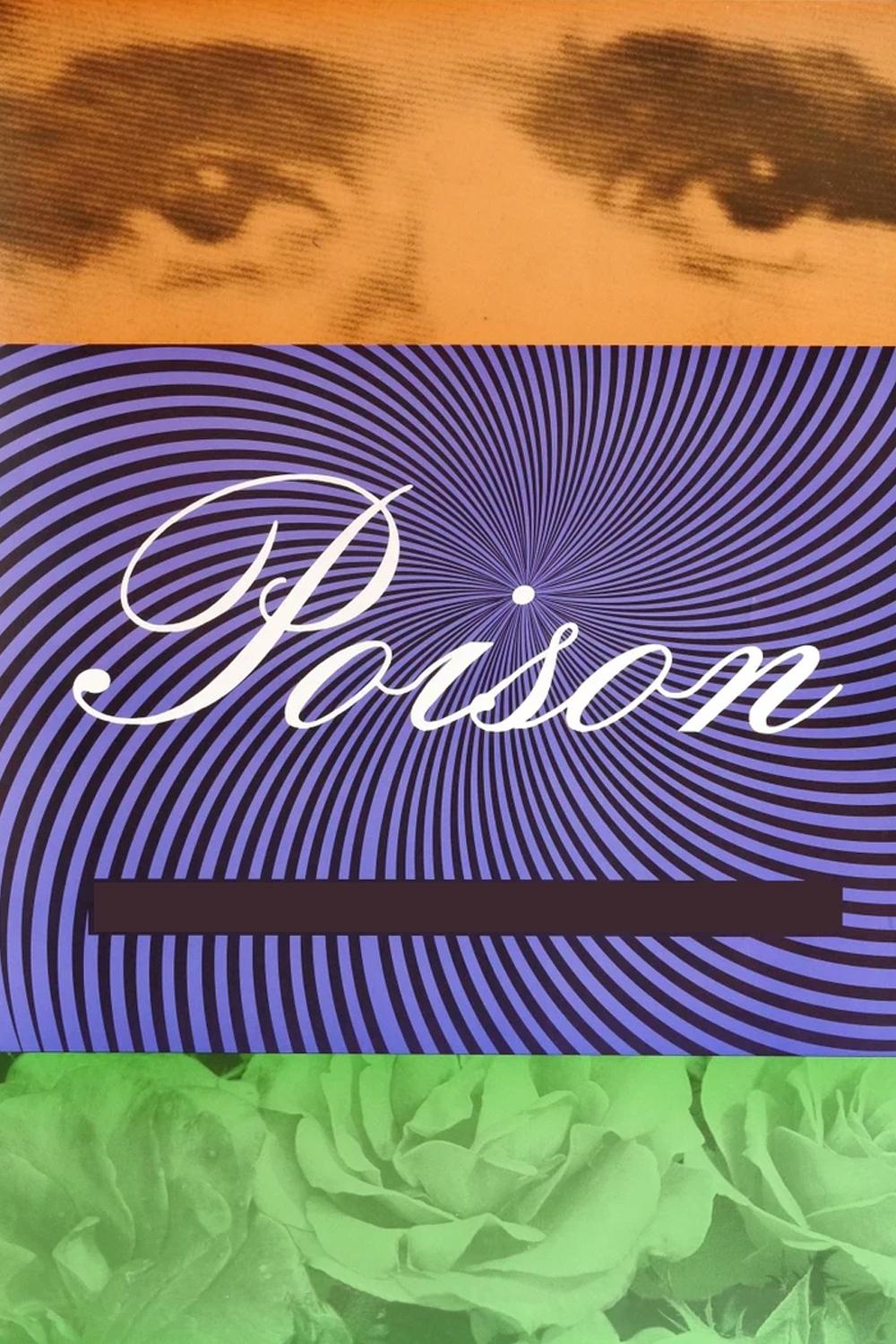
The second feature directed by Todd Haynes, the Oscar-nominated filmmaker of Far from Heaven and Carol, Poison is the next film up in our Art House 101: Global Queer Cinema series. Thank you to our friends at OC Pride for presenting these screenings!
This groundbreaking American Indie was the most fervently debated film of the early 1990s and a trailblazing landmark of queer cinema. A work of immense visual invention, Haynes’ spectacular follow-up to his legendary Superstar: The Karen Carpenter Story is audacious, disturbing and thrillingly cinematic.
Inspired by the writings of Jean Genet, Poison deftly interweaves trio of transgressive tales-“Hero,” “Horror” and “Homo”-that build toward a devastating climax. “Hero,” shot in mock TV-documentary style, tells a bizarre story of suburban patricide and a miraculous flight from justice; “Horror,” filmed like a delirious ’50s B-movie melodrama, is a gothic tale of a mad sex experiment which unleashes a disfiguring plague; while “Homo” explores the obsessive sexual relationship between two prison inmates.
A runaway hit which made national headlines when it was attacked by right-wing figures including Dick Armey, Ralph Reed and minister Donald Wildmon, Poison is unsettling, unforgettable and thoroughly entertaining.
Read More