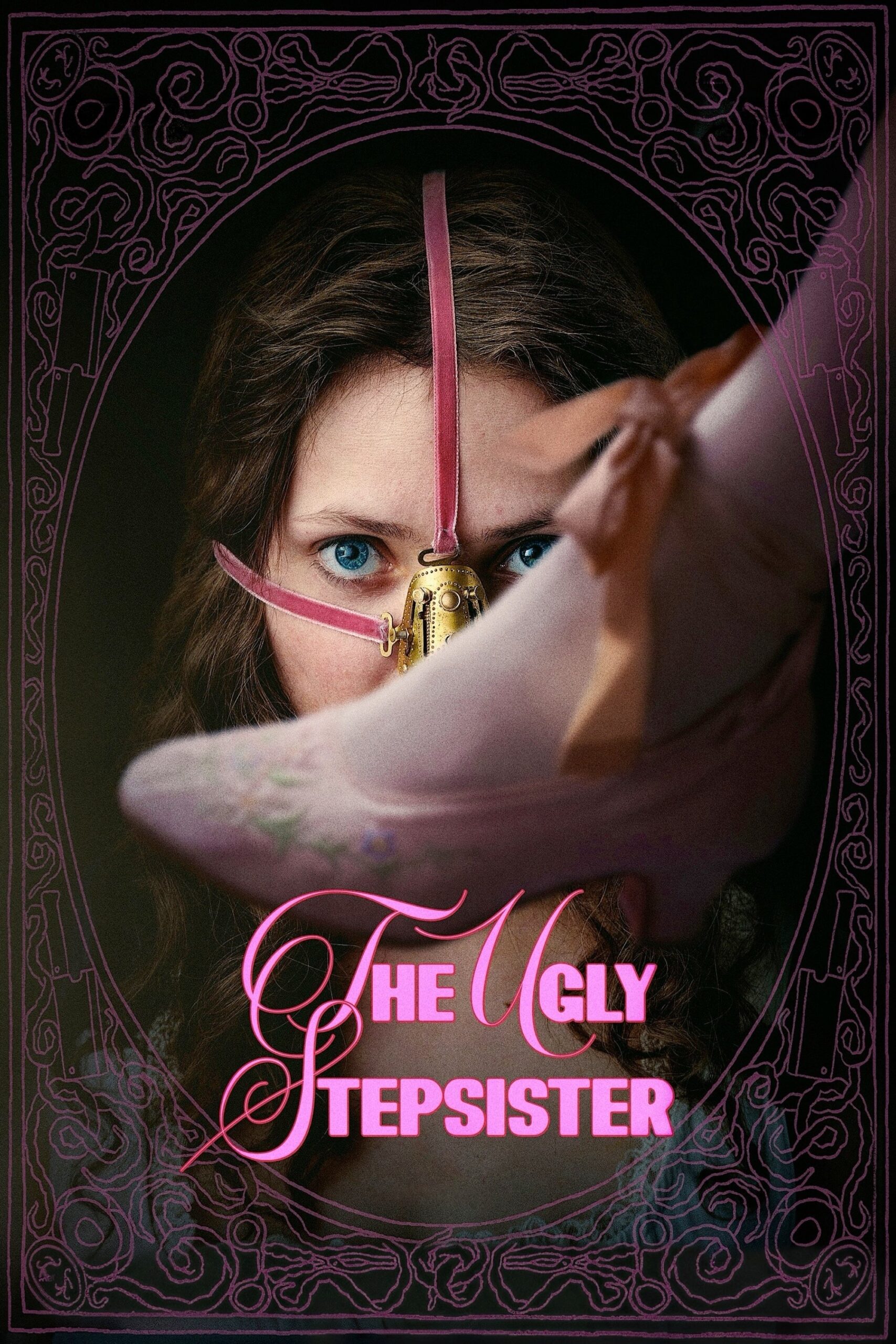
A twisted reimagining of a beloved fairytale that has emerged as one of the most buzzed-about horror films of 2025, The Ugly Stepsister comes to The Frida for two late night screenings!
Writer-director Emilie Blichfeldt’s visceral, aesthetically-sumptuous gothic body‑horror presents the Cinderella story as experienced through the eyes of her overlooked stepsister. Set in a decaying 18th‑century kingdom of “Swedlandia,” The Ugly Stepsister centers on awkward, bookish Elvira (a sensational Lea Myren, making her feature-film debut), whose ambitious mother Rebekka (Ane Dahl Torp) forces her into brutal cosmetic procedures and deadly beauty rituals, none of which will be spoiled here, all in a desperate bid to win Prince Julian’s affection over her radiant stepsister Agnes (Thea Sofie Loch Næss). It’s not all blood and gore, however; drawing from the darker undertones of the original Grimm tale, as well as her own struggles with body image, Blichfeldt masterfully employs symbolism, and Myren’s intense and fully-committed performance, to craft a film that stirs empathy just as powerfully as it unsettles.
Read More
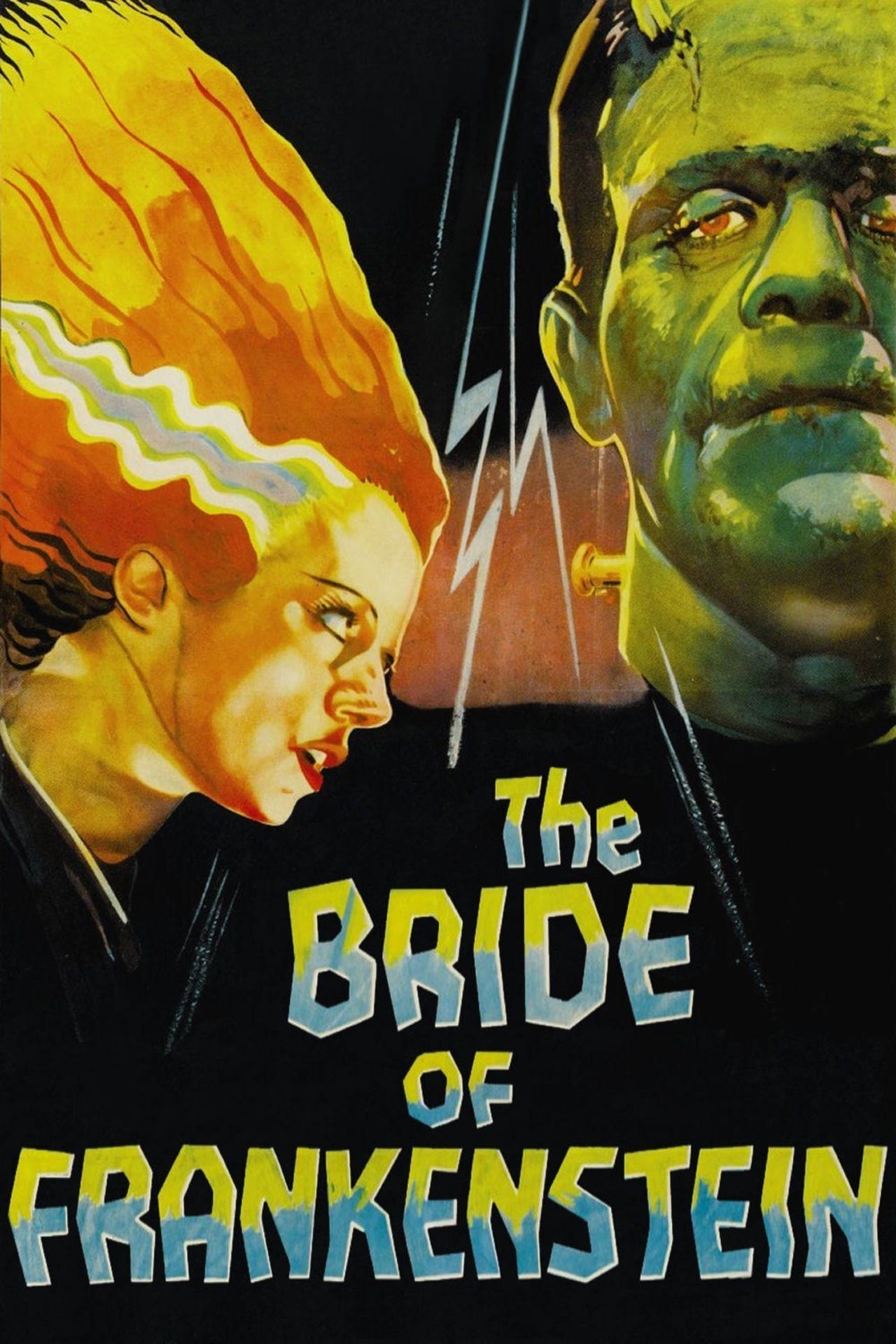
See It On 16mm is back at The Frida Cinema to unspool a print of Bride Of Frankenstein, celebrating the 90th anniversary of one of cinema’s most electrifying sequels ever made!
Released in 1935, Bride of Frankenstein is widely regarded as a rare example of a sequel that surpasses the original. Combining gothic horror with biting wit, surreal visuals, and unexpected pathos, director James Whale elevated the genre to new artistic heights. Boris Karloff returns in a haunting and deeply human performance as the Monster, while Elsa Lanchester’s unforgettable turn as the Bride remains a cultural touchstone nearly a century later.
With its bold themes of creation, loneliness, and the limits of human ambition, Bride of Frankenstein continues to resonate — as relevant and provocative now as it was 90 years ago.
Read More
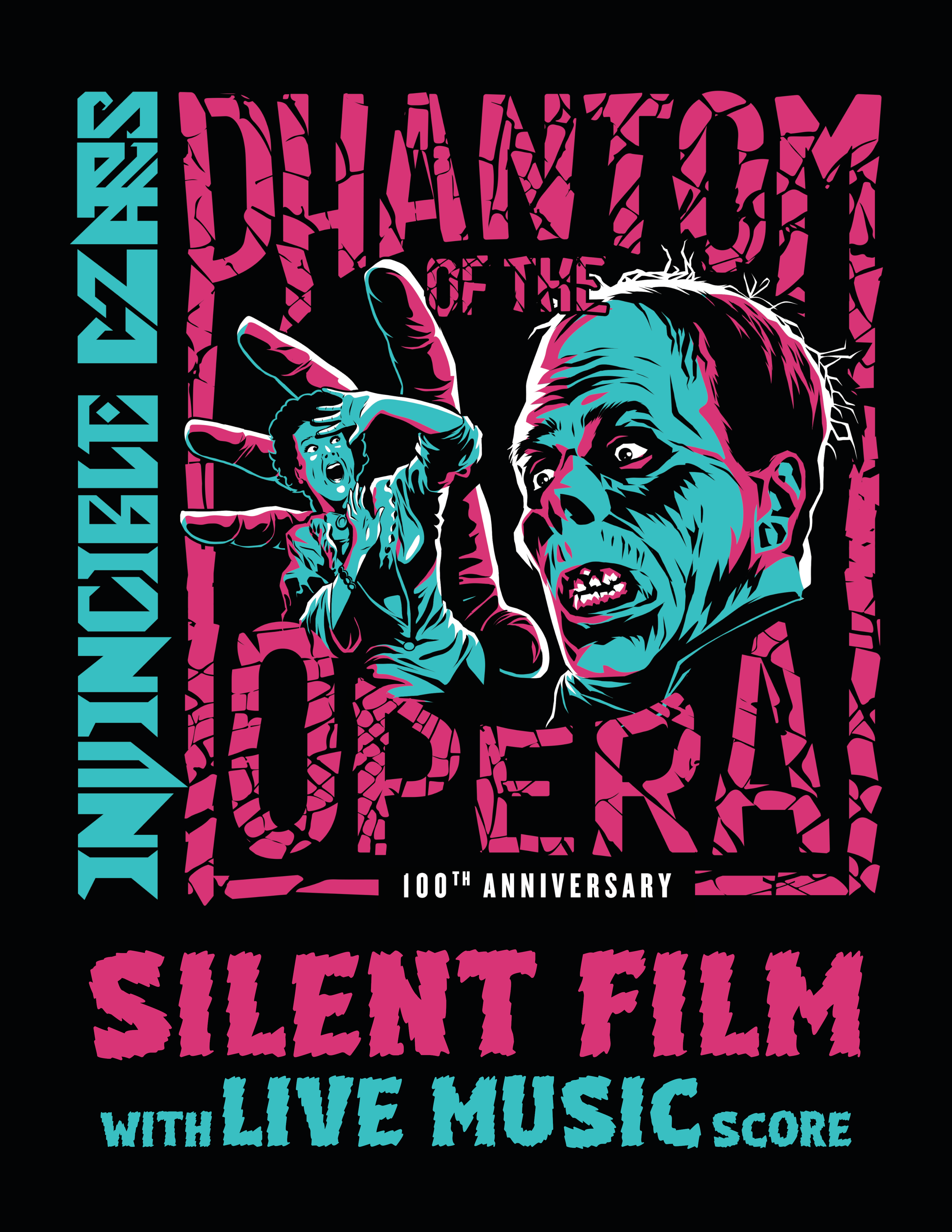
The iconic moment when Mary Philbin removed Lon Chaney’s mask in The Phantom of the Opera (1925, dir. Rupert Julian) is one of cinema’s most enduring images. Now, The Invincible Czars will bring their signature blend of eclectic instrumentation, adventurous arrangements and sense of emotional depth to this 100-year-old classic with their new, tastefully modern soundtrack, performing it live with the film in art house cinemas across the US and Canada in 2025!
The tour will celebrate the 100th anniversary of this early American horror film. The band has been captivating both music and film enthusiasts across North America since 2015 when their soundtrack for Nosferatu earned them accolades in the art house community and made them staple of the silent film circuit.
The Czars’ Phantom of the Opera soundtrack is the culmination of nearly a year of meticulous composition, recording, and collaboration. The group drew inspiration from the film’s gothic visuals and haunting narrative to craft a score using their primary instruments: piano, violin, electric guitar/bass, organ, flute, drums and bass clarinet. They create a live experience so immersive that it’s easy to forget the music is being played live at times!
Doors open 7:30PM; show is at 8 p.m. Tickets are $20 and Frida Cinema Member Discounts do not apply.
Read More
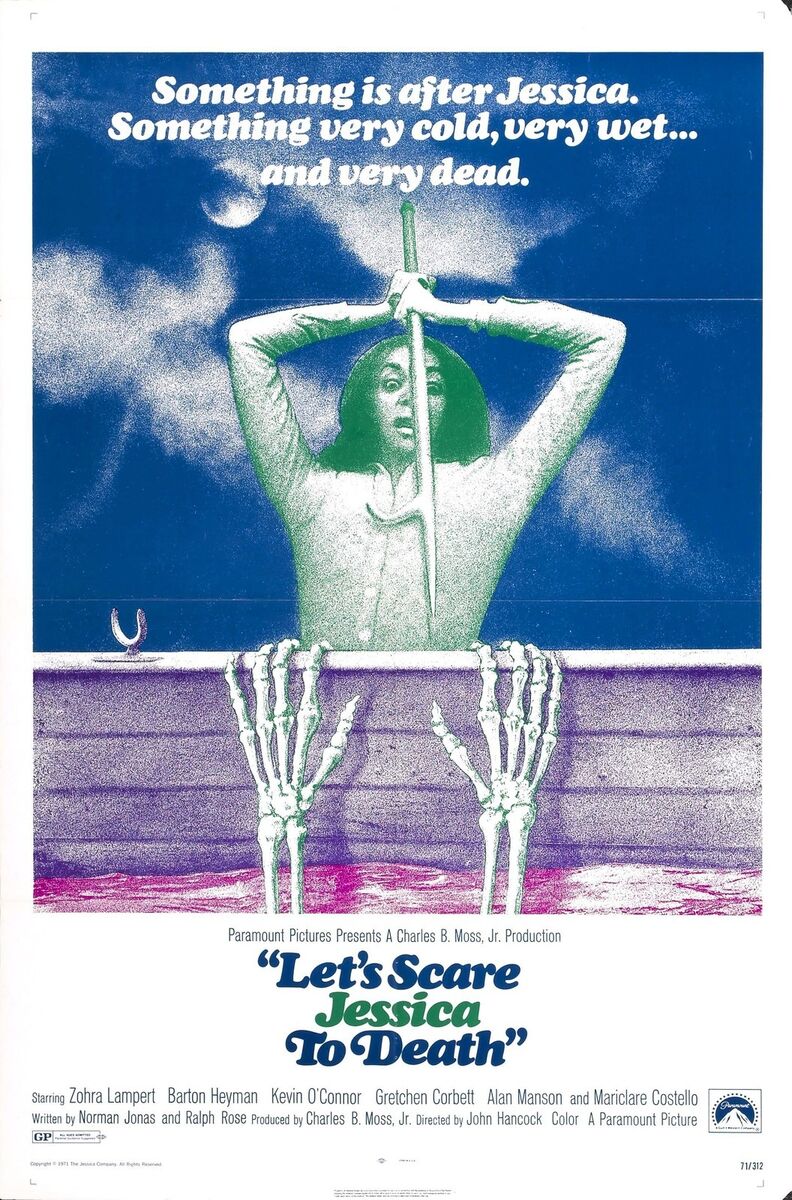
Fans of atmospheric horror and psychological dread are in luck! The next film in our Hallucinations series is 1971’s Let’s Scare Jessica To Death!
Recently released from a mental institution, Jessica moves to the countryside with her husband and a friend, hoping for peace and a fresh start. Instead, she finds whispers in the orchard, strangers in the lake, and the creeping suspicion that either she’s being haunted—or she’s slipping back into madness. Directed by John Hancock, scored with ghostly minimalism, and photographed like a faded dream, this is New England horror at its most hushed and haunting.
Released in 1971 to little fanfare and growing cult reverence, it remains one of the most quietly devastating and psychically destabilizing horror films of its era.
Hosted by Polygon’s editor-in-chief Chris Plante, Hallucinations is a monthly event that spotlights movies that challenge our expectations of story, style, and “good taste”. Plante will introduce each film with some behind-the-scenes history and critical context. With Hallucinations, The Frida Cinema wants to build a communal space for lovers of Weird Cinema. We invite guests to bond over films that change what we expect from the medium, the world, and themselves. So come early, stay late, make friends, and watch something strange, surprising, or just shamelessly sick.
Read More
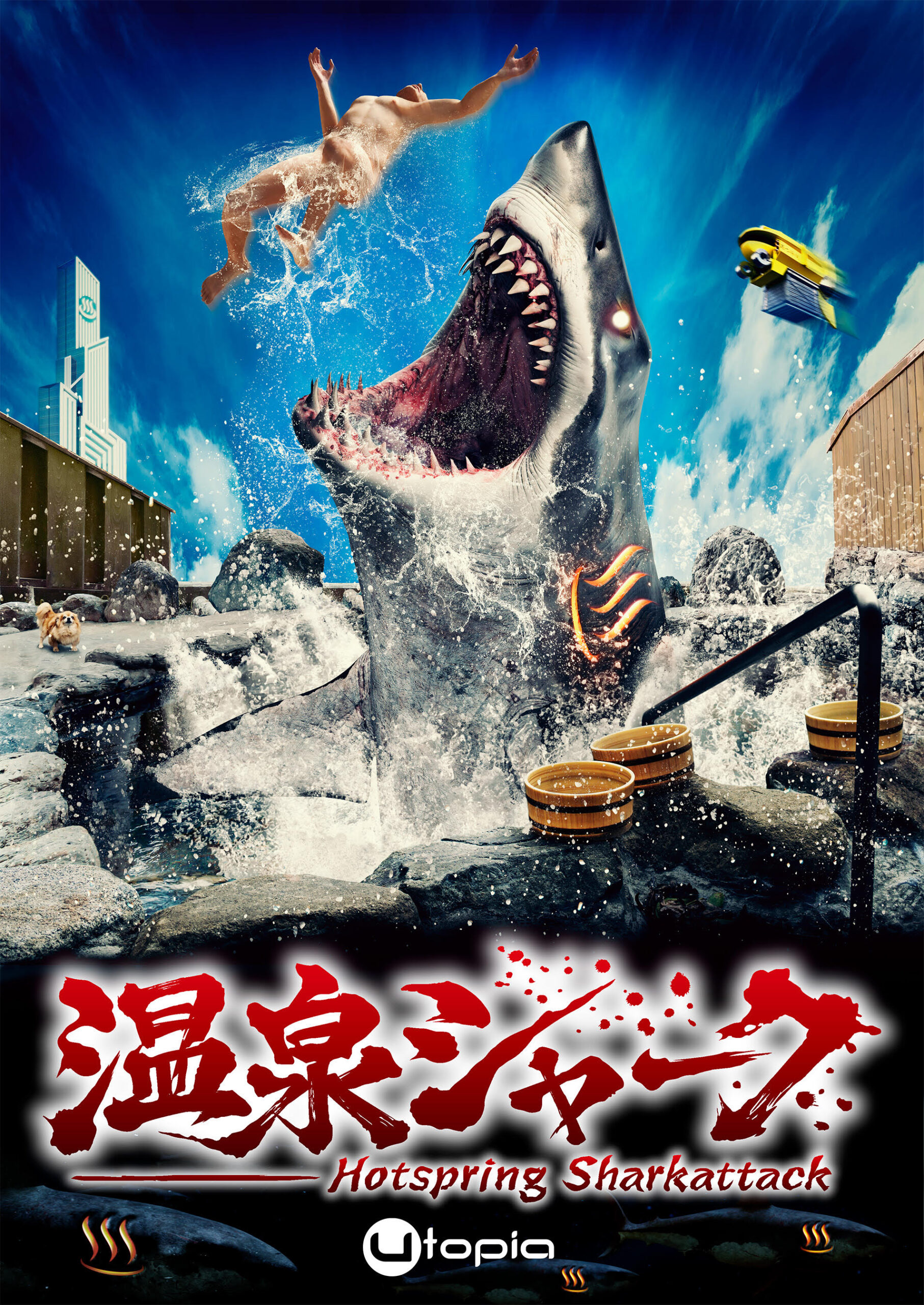
Join us for a one-night-only extravaganza of Z-movie mayhem as we present a screening Hotspring Sharkattack!
In a small hot spring town in Japan, a ferocious ancient shark reawakens and begins terrorizing the local hot spring facilities. As the threat escalates, the townspeople band together to protect their beloved town from the menacing predator, leading to a fierce and thrilling battle!
Complete with a beach party, surf rock, and a karaoke clambake where, yes, everyone gets lei’d. Real cinema is back!
Read More
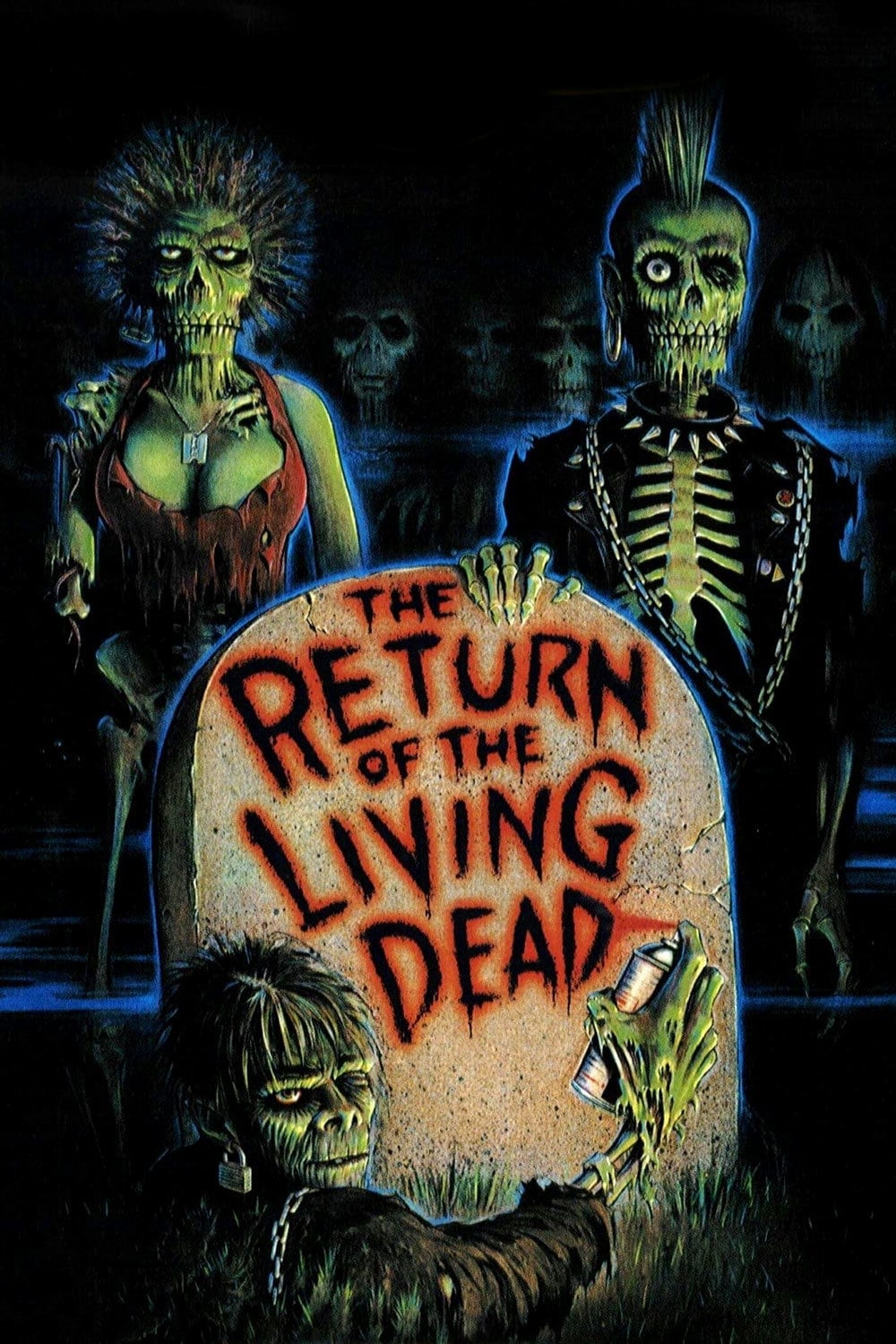
Dan O’Bannon’s The Return of the Living Dead is coming (back from the grave) to The Frida Cinema for its 40th Anniversary as part of our Fireworks At The Frida week!
What if Night of the Living Dead got punk, got louder, and got way, way messier? Enter 1985’s The Return of the Living Dead—the film that gave zombies the power to run, talk, and specifically request brains. A gleefully anarchic horror-comedy that helped redefine the undead for an entire generation, this movie turns graveyards into dance floors and medical supply warehouses into apocalyptic battlegrounds.
Directed by Dan O’Bannon (co-writer of Alien) and featuring a killer soundtrack of ’80s punk and death rock (The Cramps, 45 Grave, T.S.O.L.), the film follows a group of hapless employees and way-too-cool punks as they accidentally unleash a toxic gas that reanimates corpses—starting with a tar-covered nightmare named Tarman and escalating into full-blown zombie chaos.
Read More
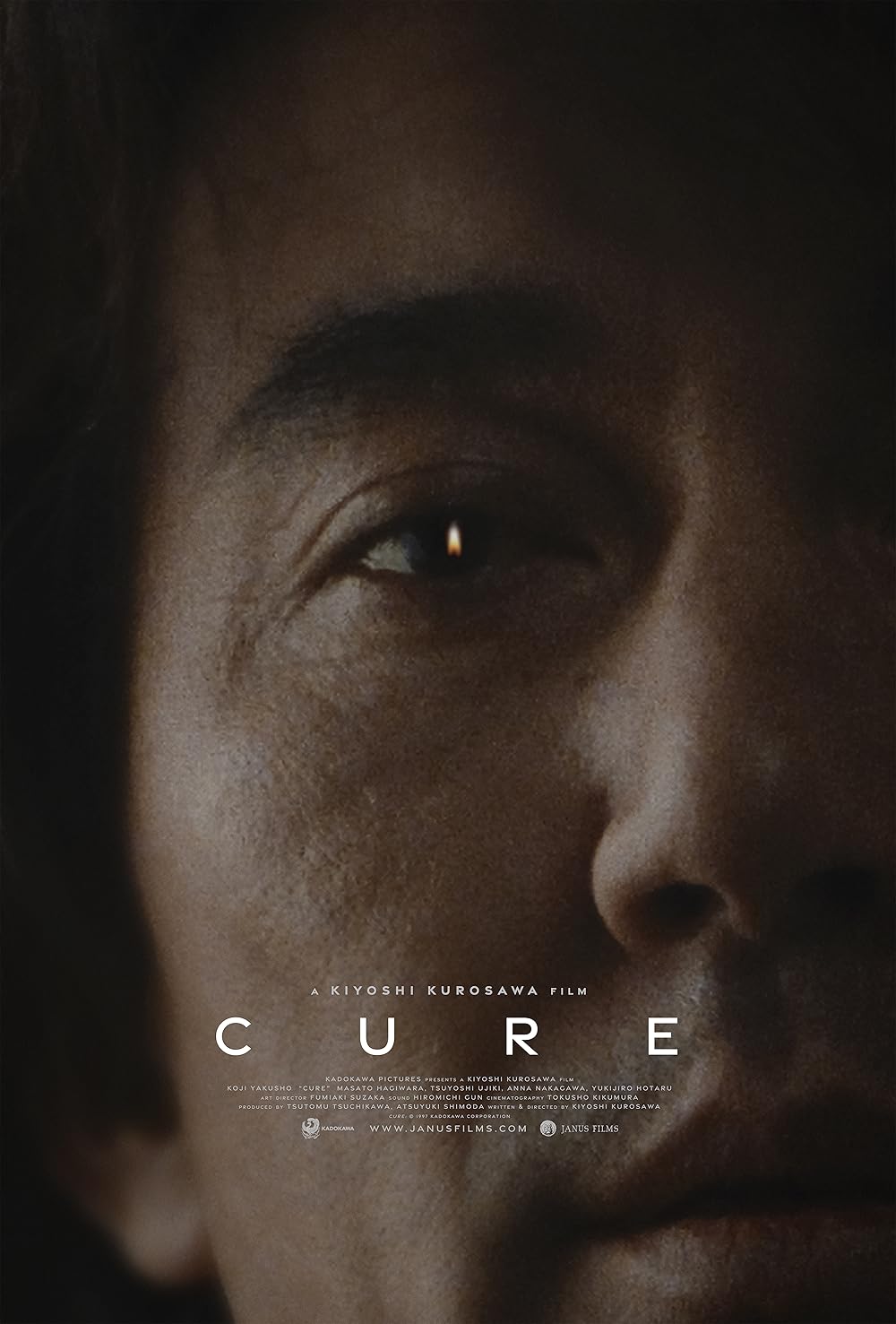
Taking our Arthouse 101: Japanese Cinema series into the 90’s is Kiyoshi Kurosawa’s heart-pounding 1997 thriller Cure, widely regarded as one of the best, most original, and most influential psychological horror films of the decade.
A detective investigates a string of grisly murders—each victim killed in the same ritualistic manner, each murderer caught at the scene, unable to explain why they did it. The only connection? A mysterious drifter who seems to erase people’s memories—and unlock something buried deep inside them.
With icy precision and a creeping sense of dread, Cure is not just a murder mystery—it’s a meditation on identity and unraveling. Shot in long, haunting takes and drained colors, the film moves like a fog over post-economic-boom Japan: quiet and uncertain.
Arthouse 101: Japanese Cinema is a curated 12-film trip through the evolution of Japan—from the quiet post-war resilience of the 1940s all the way to the radical reinventions of the 1990s. This July-October, we will explore a new facet of this incredible nation’s cinematic journey throughout the 20th century. All films will be presented in their original Japanese language with English subtitles, at a reduced ticket price of $8.
Read More
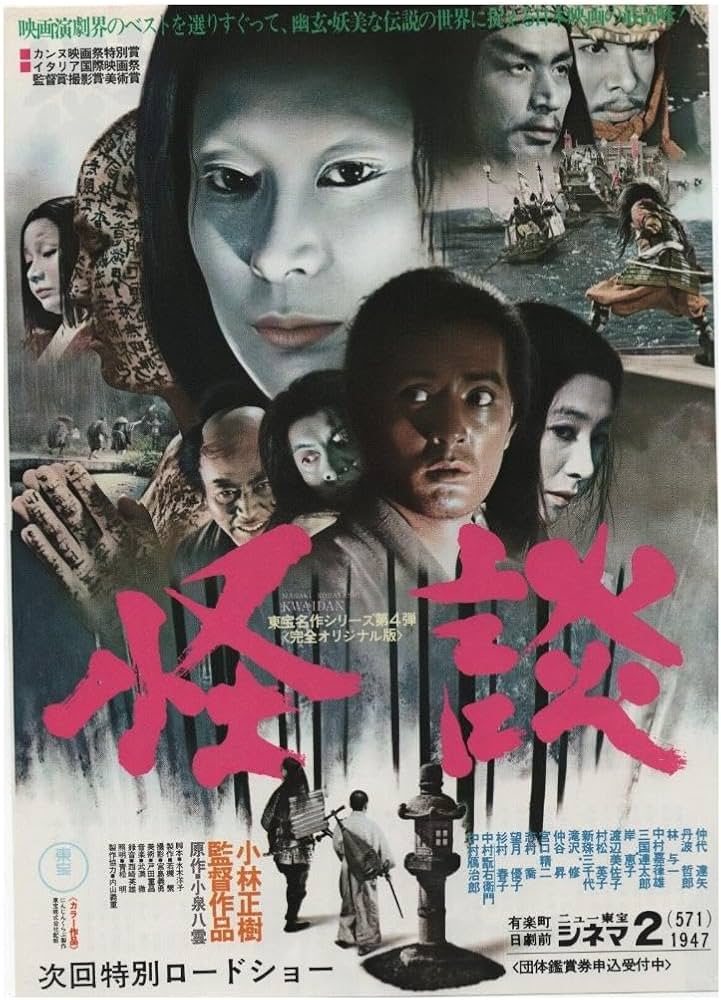
Kicking off the August portion of our Arthouse 101: Japanese Cinema series is Kwaidan, director Masaki Kobayashi’s fascinating meditation on memory, regret, and the delicate boundary between the living and the dead.
Taking its title from an archaic Japanese word meaning “ghost story,” this anthology adapts four folk tales. A penniless samurai marries for money with tragic results. A man stranded in a blizzard is saved by Yuki the Snow Maiden, but his rescue comes at a cost. Blind musician Hoichi is forced to perform for an audience of ghosts. An author relates the story of a samurai who sees another warrior’s reflection in his teacup.
Arthouse 101: Japanese Cinema is a curated 12-film trip through the evolution of Japan—from the quiet post-war resilience of the 1940s all the way to the radical reinventions of the 1990s. Each Monday this July-September, we will explore a new facet of this incredible nation’s cinematic journey throughout the 20th century! All films will be presented in their original Japanese language with English subtitles!
Read More
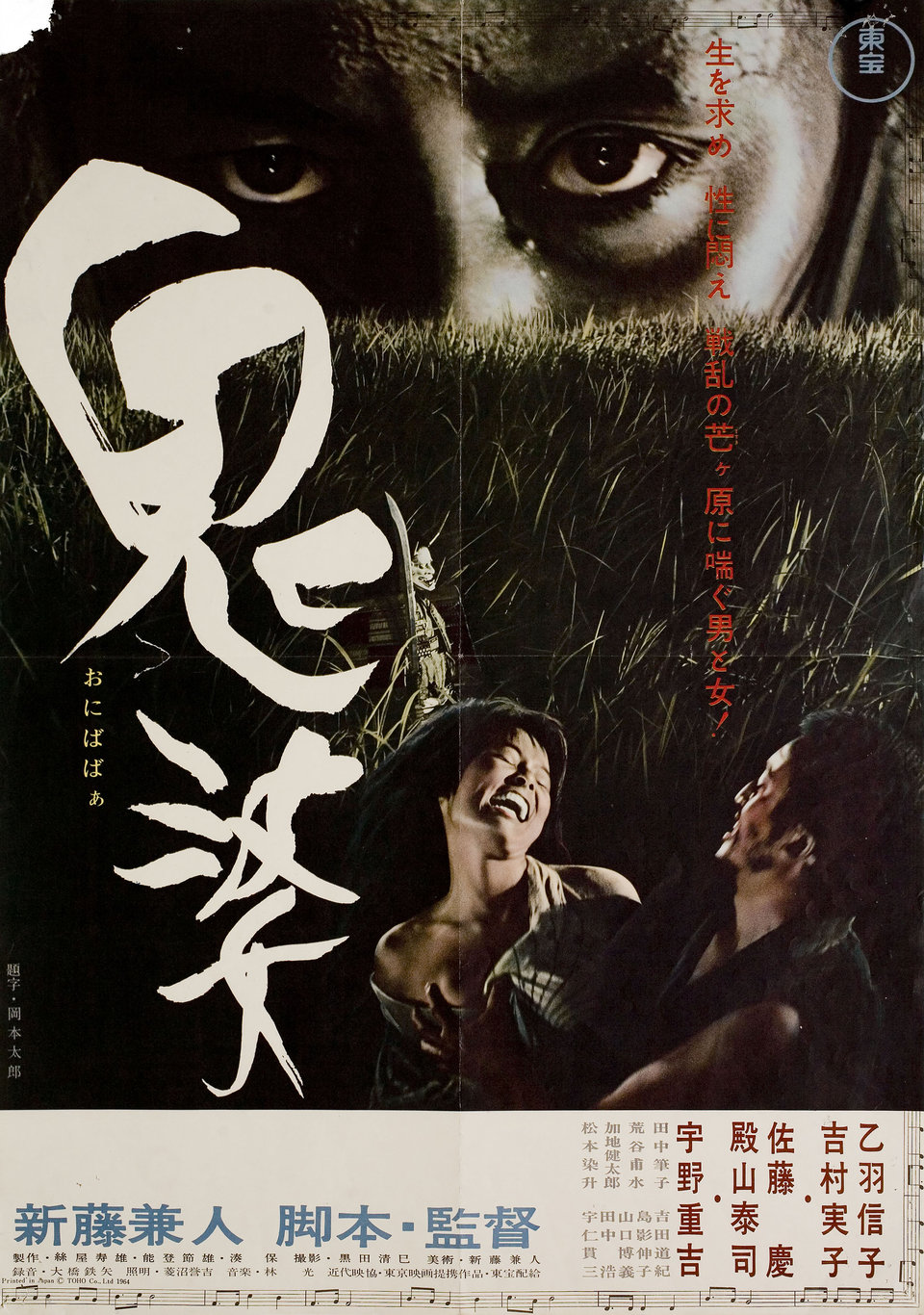
We’re bringing back encores of Kaneto Shindô’s 1964 eerie classic Onibaba! This visceral, hypnotic tale set in Japan’s medieval past, is about two women – an older mother and her young daughter-in-law-living in isolation, killing lost samurai and trading their armor for food. But when a mysterious mask enters their world, desire, jealousy, and supernatural terror take root.
Shot in striking black and white, Shindo’s film blurs the lines between eroticism and horror, realism and folklore. Tall reeds sway ominously, the wind howls, and the mask – once worn to intimidate- becomes a symbol of inner torment and karmic consequence. It’s one of the most iconic and unsettling films of Japanese cinema.
Arthouse 101: Japanese Cinema is a curated 12-film trip through the evolution of Japan—from the quiet post-war resilience of the 1940s all the way to the radical reinventions of the 1990s. Each Monday this July-September, we will explore a new facet of this incredible nation’s cinematic journey throughout the 20th century. All films will be presented in their original Japanese language with English subtitles, at a reduced ticket price of $8.
Read More
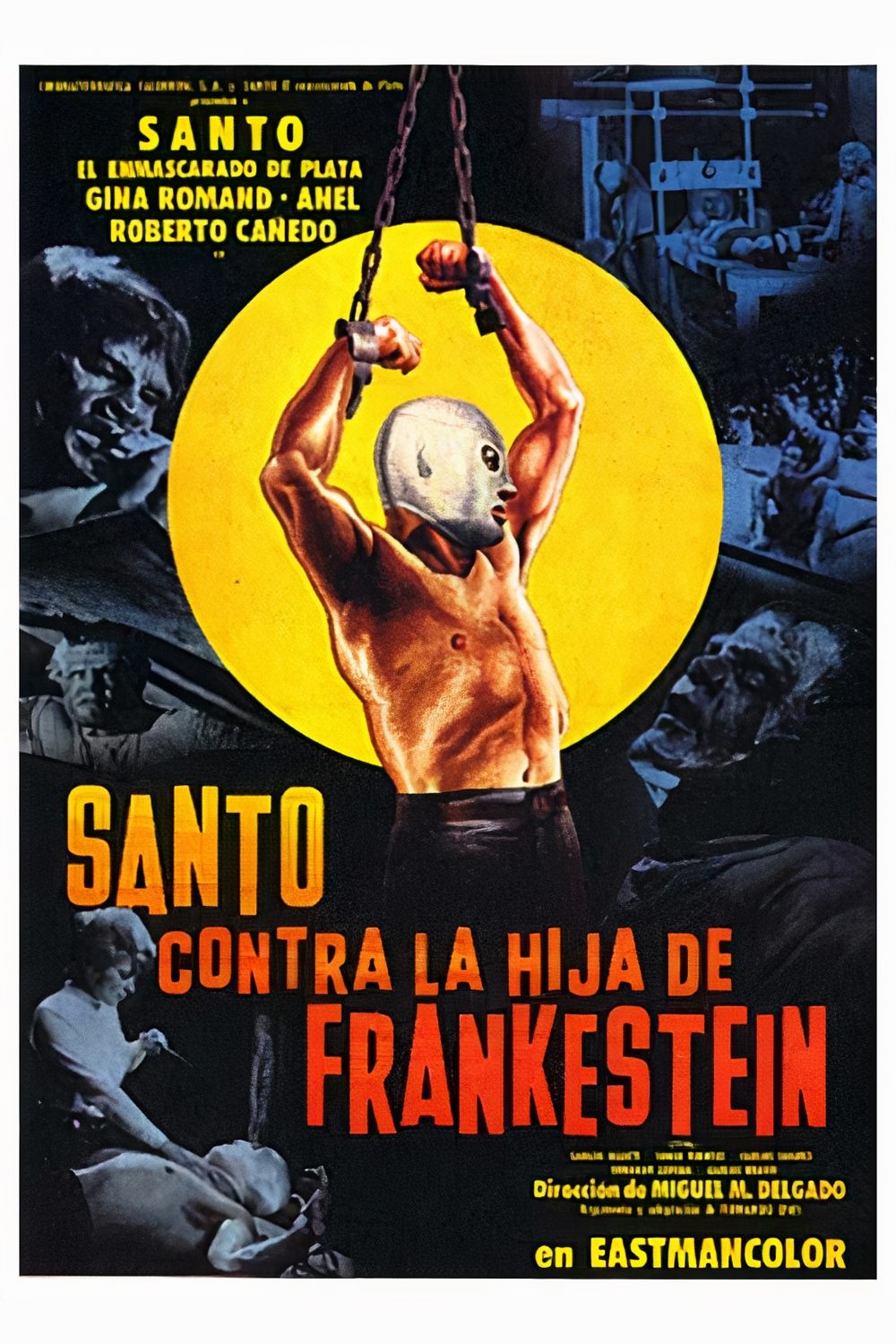
We’ve saved the best for our last Santo Sunday screening as we present Santo Vs. La Hija del Dr. Frankenstein, presented by our friends at Trash-Mex!
Dr. Frankenstein and her assistant, Dr. Yanco, are going to bring one of their experiments to life in Santo Vs. Frankenstein’s Daughter. She intends to use a monster named Ursus to do her evil bidding. Using a youth serum to retain their vitality, the doctors set their sights upon none other than El Santo. They need his super human blood to regenerate a stronger youth serum. They kidnap Santo’s goddaughter, Norma and lure him into Dr. Frankenstein’s lab where he is captured and enslaved. Will Santo make it out alive?
Trash-Mex is proud to collaborate with Permanencia Voluntaria Archivo Cinematográfico for a special screening series of Mexican icon El Santo. Join us every other Sunday this Summer for a total of eight of his greatest hits! All films will be presented in Spanish with English subtitles. Admission is $9.
This program is a venue rental engagement. The views and opinions expressed in this program do not necessarily reflect the views or positions of The Frida Cinema or its staff.
Read More