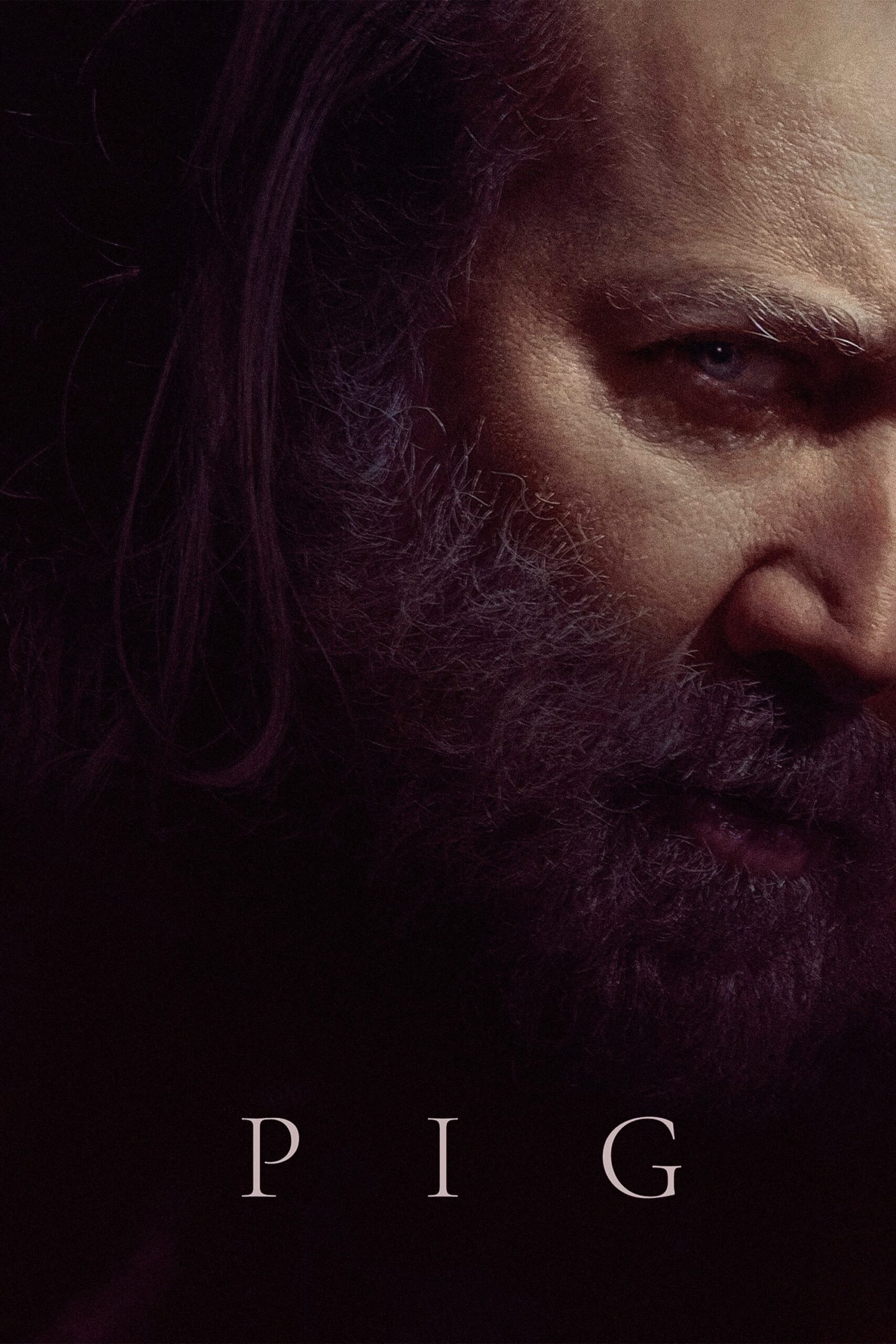
Our Lost Films Of Covid series kicks off with Pig, one of those rare films that still found light in a time of theaters going dark.
Michael Sarnoski’s elegy of grief and grace follows a reclusive truffle hunter (Nicolas Cage, in one of his most effecting performances) as he searches for his stolen pig. The tagline is simple, but the story is so much more than revenge and spectacle. Returning to the big screen, it reminds us how cinema helps us feel human again.
Whether you’ve seen it since its release or have been waiting to watch it, come see Pig where it belongs–up on the big screen!
Thank you to our friends at Filmbot for their support in presenting this amazing series.
Read More
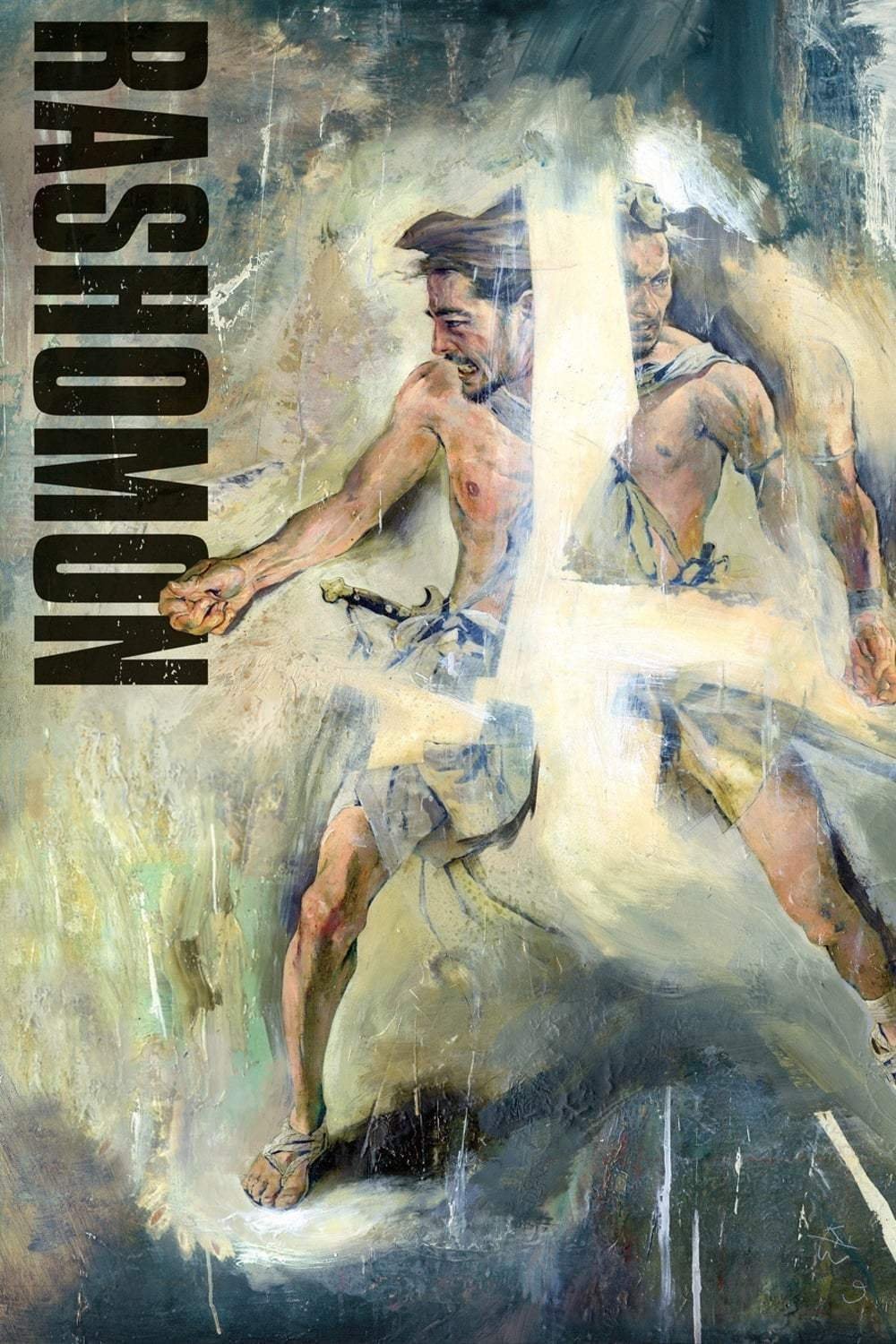
Celebrate 75 years since the original release of Akira Kurosawa’s 1950 masterpiece Rashomon with a new 2K restoration from Janus Films!
A riveting psychological thriller that investigates the nature of truth and the meaning of justice, Rashomon is widely considered one of the greatest films ever made. Four people give different accounts of a man’s murder and the rape of his wife, which director Akira Kurosawa presents with striking imagery and an ingenious use of flashbacks.
This eloquent masterwork and international sensation revolutionized film language and introduced Japanese cinema—and a commanding new star by the name of Toshiro Mifune—to the Western world.
Read More
From acclaimed director Lee Chang-dong (Poetry, Secret Sunshine) comes Burning, our first Volunteer Of The Month pick for November, thanks to our friend Eugene!
When aimless delivery worker Jong-su (Yoo Ah-in) reconnects with a spirited young woman from his past (Jeon Jong-seo), their brief spark is interrupted by the arrival of Ben (Steven Yeun), her wealthy and enigmatic new friend. What begins as a quiet love triangle unfolds into a haunting mystery of class, longing, and the invisible rage simmering beneath modern life.
Adapted from a Haruki Murakami short story, Burning builds its tension like a fever dream. With its stunning performances an an ending that ignited endless debate, it’s a masterwork of ambiguity and unease.
Read More
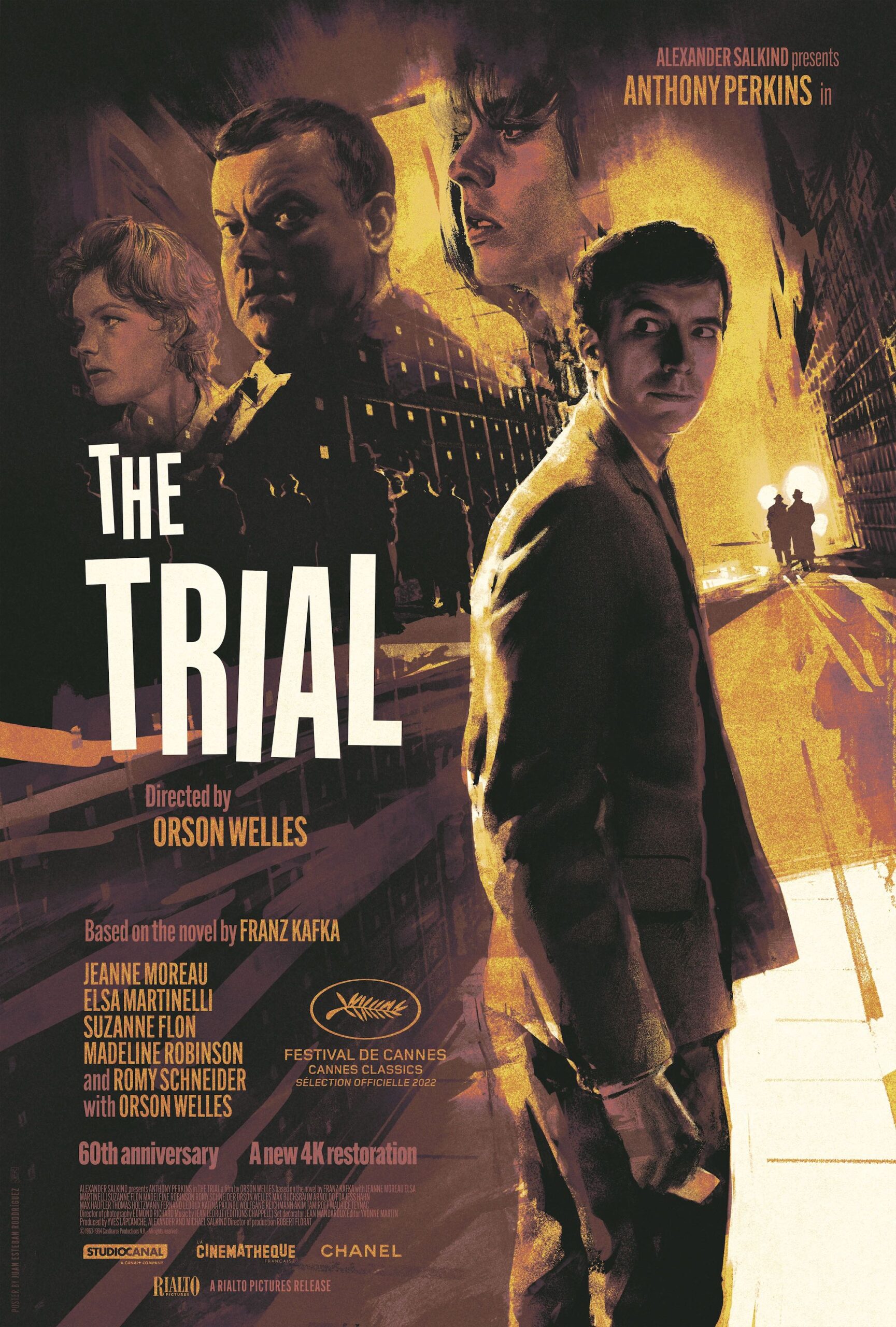
Our final Volunteer Of The Month pick was picked by Emma, as she has chosen Orson Welles’s singular adaptation of Franz Kafka’s chilling The Trial!
When bank clerk Josef K. (Anthony Perkins) is arrested on his thirtieth birthday—never told what he’s charged with, never shown his accusers—his attempt at normal life fractures into a surreal labyrinth of law offices, dark corridors, and anonymous verdicts. The law doesn’t need to explain itself, and neither does Welles’ camera—it obsesses over angles, shadows, and the hollowness of bureaucracy.
With its stark black-and-white visuals, towering architecture, and a sense of dread that feels both grand and intimate, The Trial is Welles’ most personal film—a nightmare built not for a moment, but for an eternity.
Read More
Lived any good books lately?
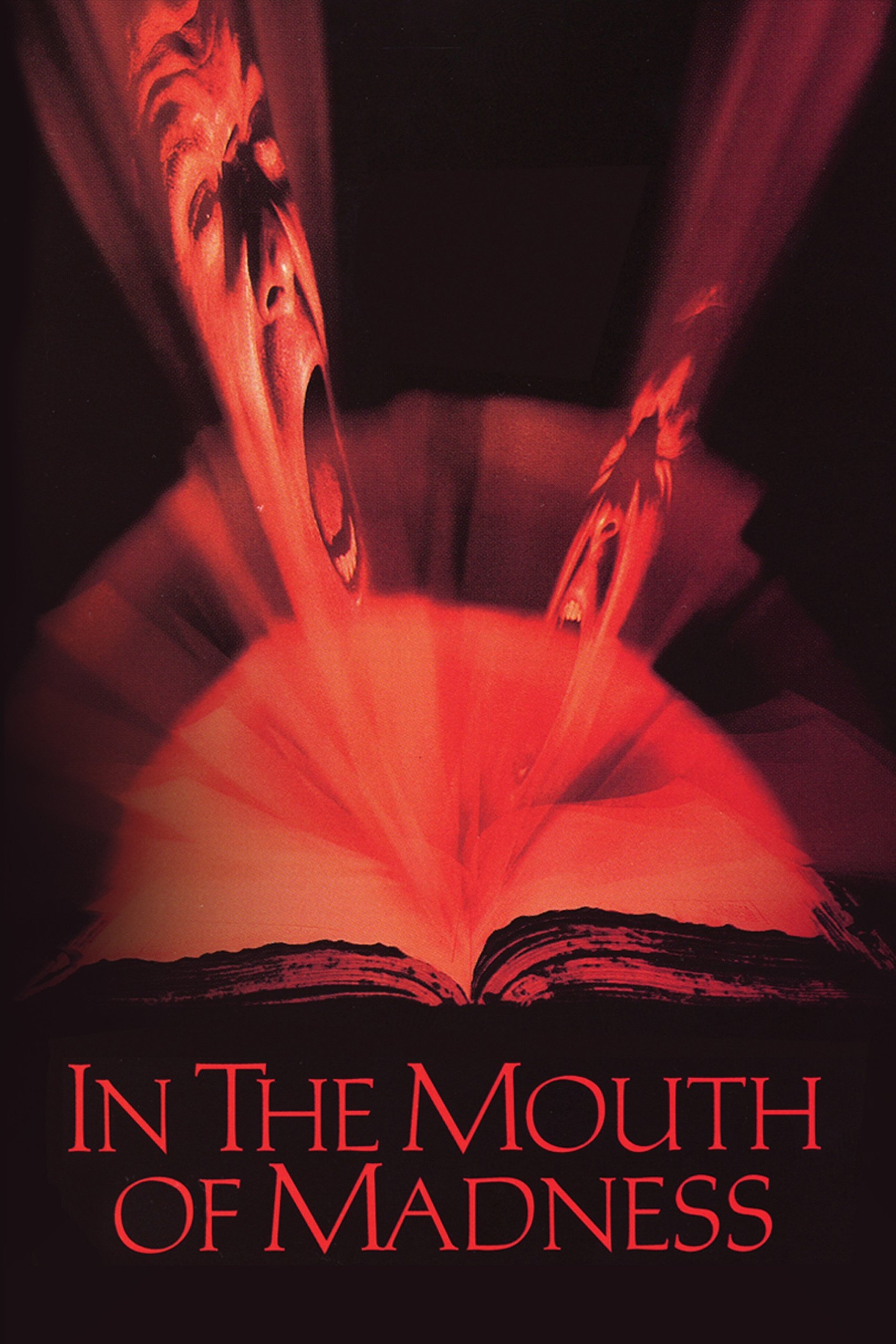
Cinematic Void is back at The Frida to headline Friday night of our Halloween Hangover Weekend as they present a special 30th anniversary screening of John Carpenter’s In The Mouth Of Madness in a stunning brand new 4K resotration via Warner Brothers!
When best-selling horror novelist Sutter Cane (Jürgen Prochnow) mysteriously vanishes, skeptical insurance investigator John Trent (Sam Neill) is sent to track him down. But as Trent digs deeper into Cane’s disappearance, he discovers a terrifying world where fiction infects reality, madness spreads like a virus, and the boundaries of existence dissolve into nightmare.
A Lovecraftian and meta-cinematic mind warp, Carpenter’s cult classic is a supremely underrated descent into cosmic terror that also contains another one of his all-timer synth scores.
Read More
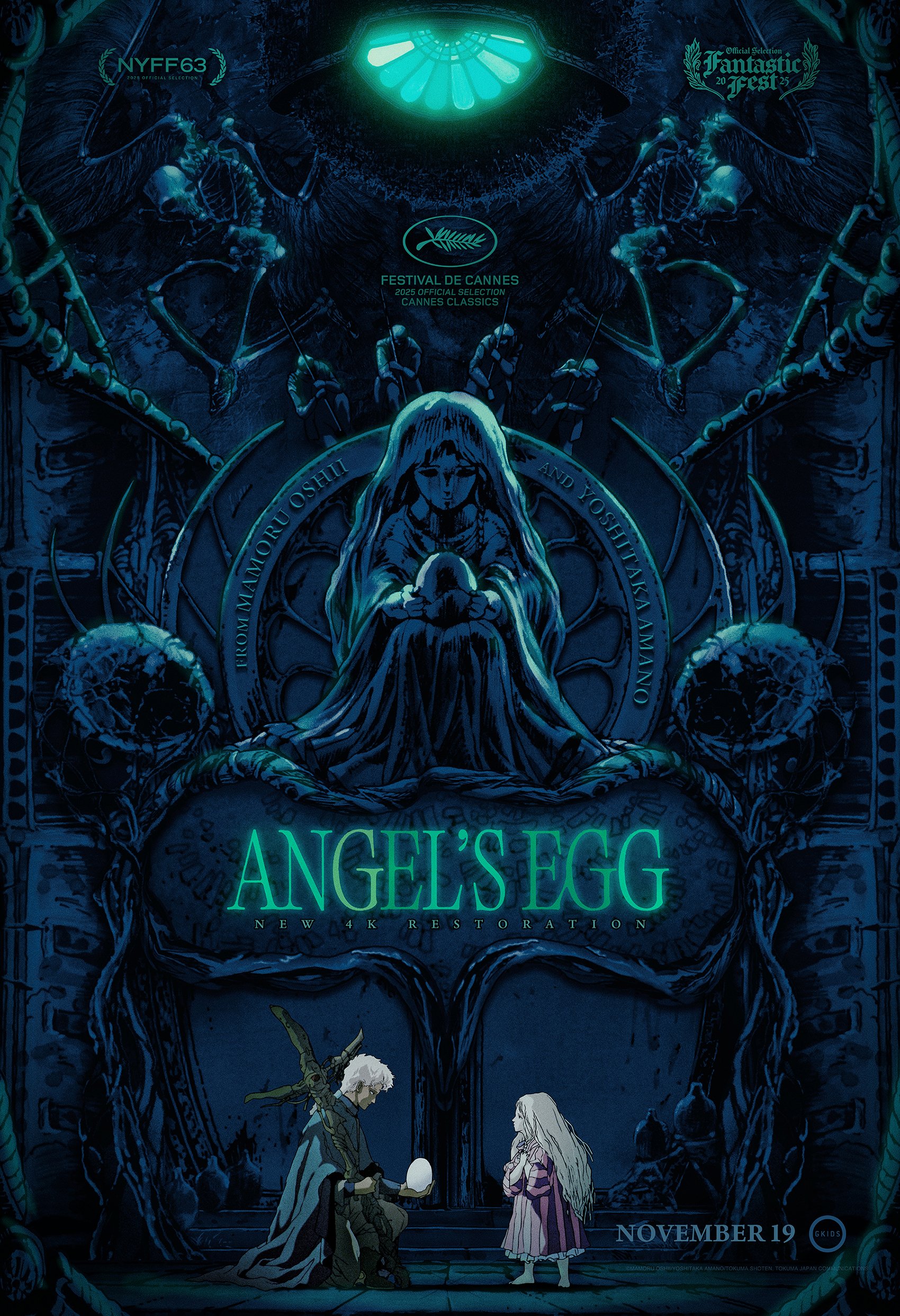
Join us for a two-day limited run celebrating 40 years of director Mamoru Oshii’s animated cult classic Angel’s Egg, now with a brand new 4K restoration via our friends at GKIDS.
In an underwater city, a young girl takes care of a large egg she holds carefully in her arms – a treasure that she believes is an angel’s egg. One day, a boy with a gun arrives in search of a bird he saw in his dream and, at first, it seems as if feelings of sympathy are developing between the two.
This film will be presented in its original Japanese language with English subtitles.
Read More
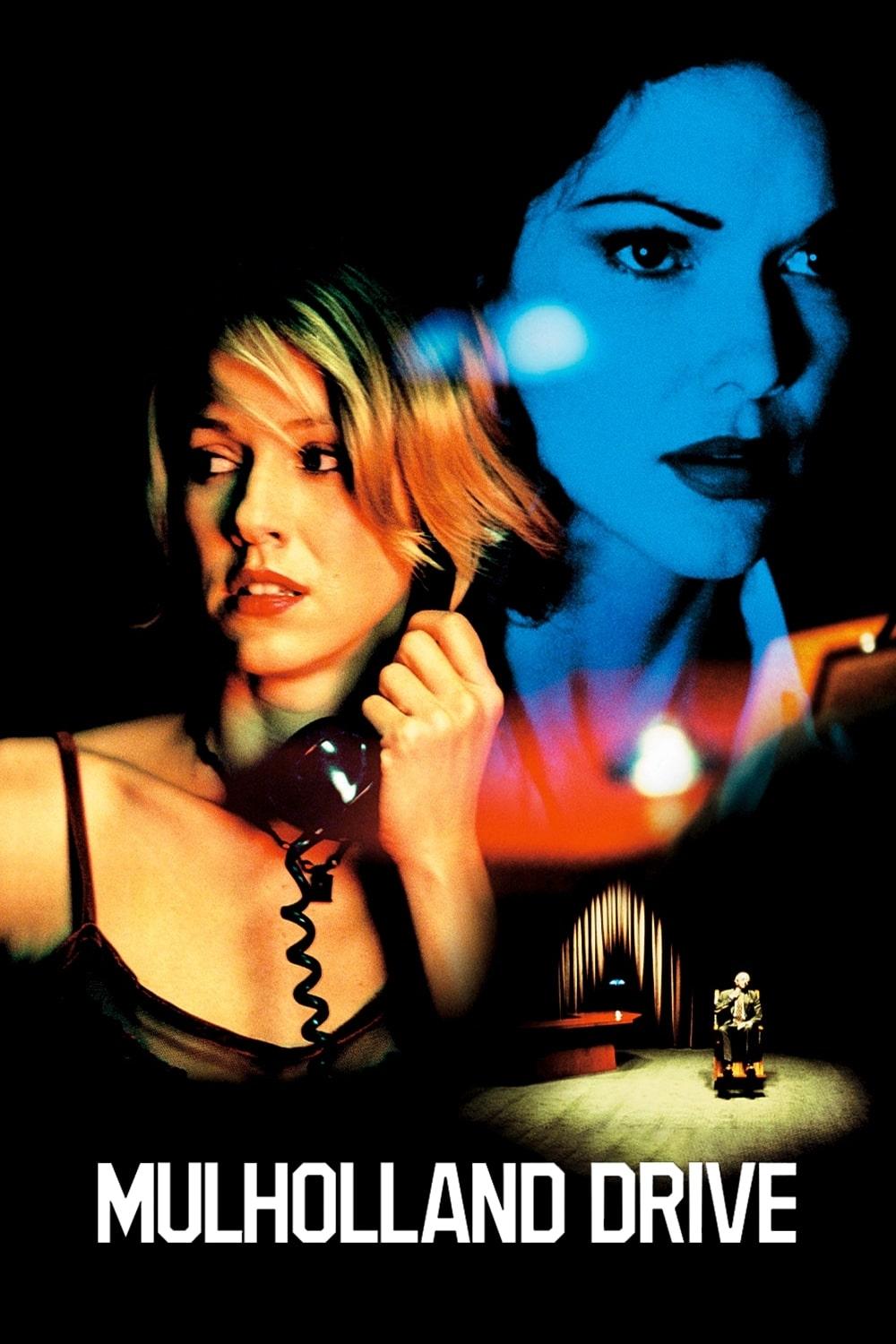
David Lynch’s 2001 masterwork Mulholland Drive is returning to The Frida for a limited four day run as part of our 21st Century Cult series! And for our 7PM screening on Sunday, November 2nd, we are delighted to be joined in-person for a post-screening Q&A with actor Richard Green, who portrays “The Magician” in the film.
Blonde Betty Elms has only just arrived in Hollywood to become a movie star when she meets an enigmatic brunette with amnesia. Meanwhile, as the two set off to solve the second woman’s identity, filmmaker Adam Kesher runs into ominous trouble while casting his latest project.
Mystifying and terrifying audiences for over twenty years, Mulholland Drive remains one of the greatest films ever made in any genre and in any decade. Lynch’s stranglehold on his one-of-a-kind tone puts him into the rarified air of the true masters of the medium. Seeing it on the big screen with an audience is a holy grail of modern cinema-going experiences.
Read More
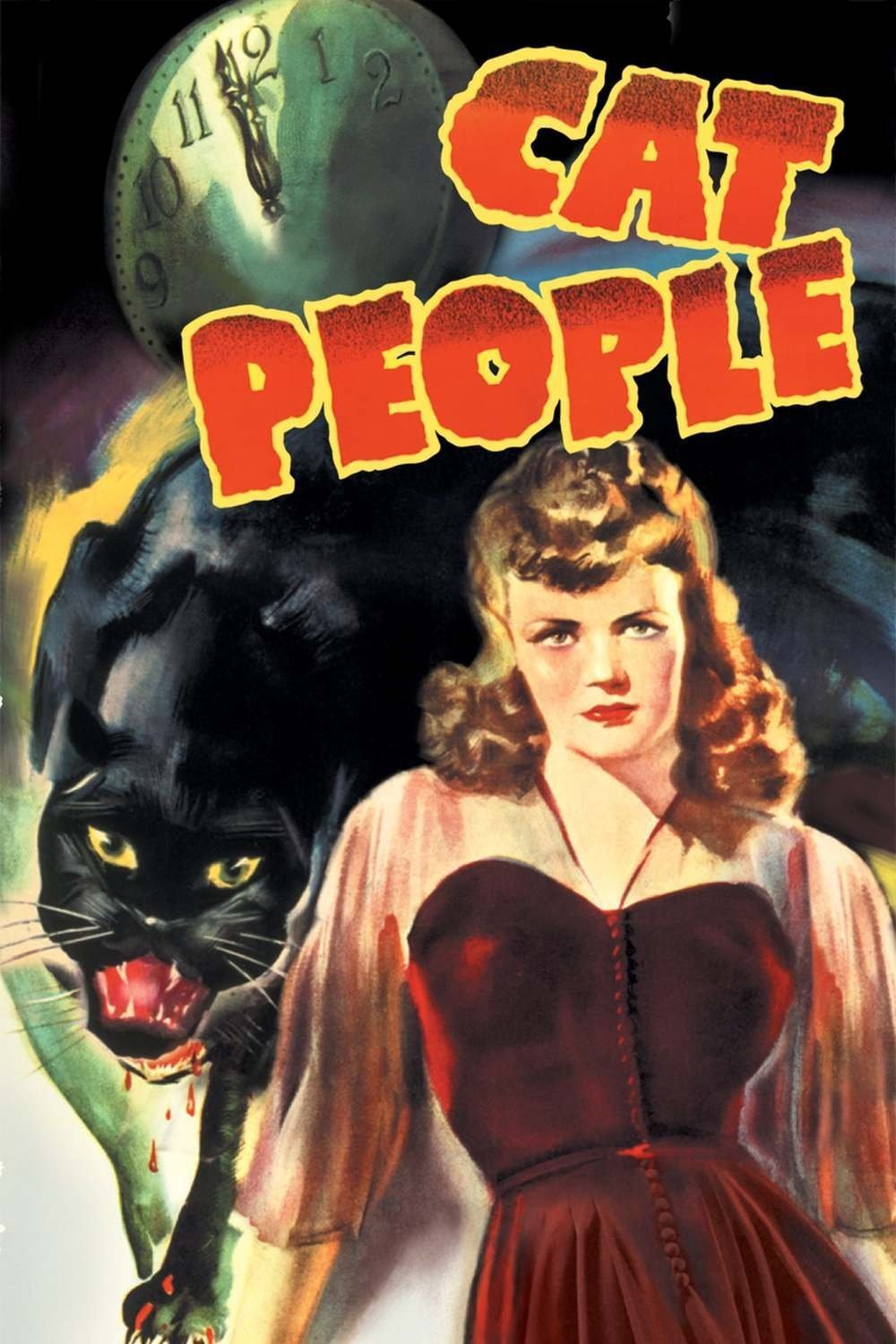
The Frida Cinema pays tribute to Val Lewton and Jacques Tourneur with a shadowy double feature of Cat People and The Leopard Man!
In Cat People, a young woman’s secret obsession with a Balkan curse blurs the line between love, repression, and deadly feline transformation. In The Leopard Man, a small New Mexico town is gripped by terror when an escaped circus cat–or perhaps something far worse–begins claiming victims in the night. Who stalks the darkness: beast or human?
Brimming with moody cinematography, eerie sound design, and suggestive scares, both films exemplify RKO’s golden age of psychological horror. These flicks might not satisfy fans of buckets of gore, but they’ll still stay with you long after you left the theater.
Read More
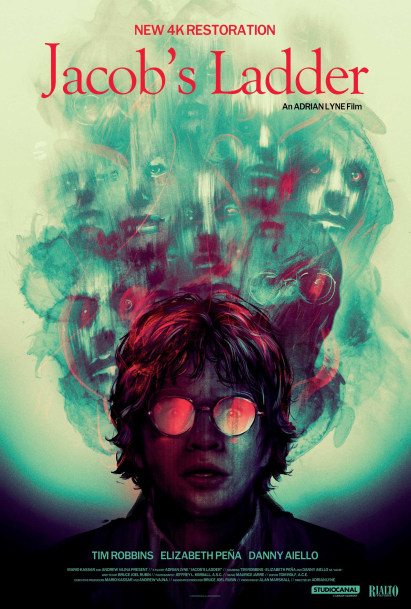
We’re very excited to announce that Rialto Pictures is rolling out their brand new 4K restoration of Adrian Lyne’s Jacob’s Ladder for a limited run at The Frida Cinema on October 20th-23rd!
Jacob Singer (Tim Robbins), a Vietnam War veteran plagued with troubling hallucinations and traumatic flashbacks, struggles to maintain his sanity as his terrible past invades his waking life. As girlfriend Jezzie (Elizabeth Peña) and chiropractor friend Louis (Danny Aiello) try to help him find balance, Jacob only descends further into madness and despair.
This restoration was completed by ROUNDABOUT – USA from the original negative scanned and restored in 4K. The color grading and restoration was supervised by Adrian Lyne. This project was brought to you by STUDIOCANAL and supervised by Delphine Roussel and Jean-Pierre Boiget.
Read More
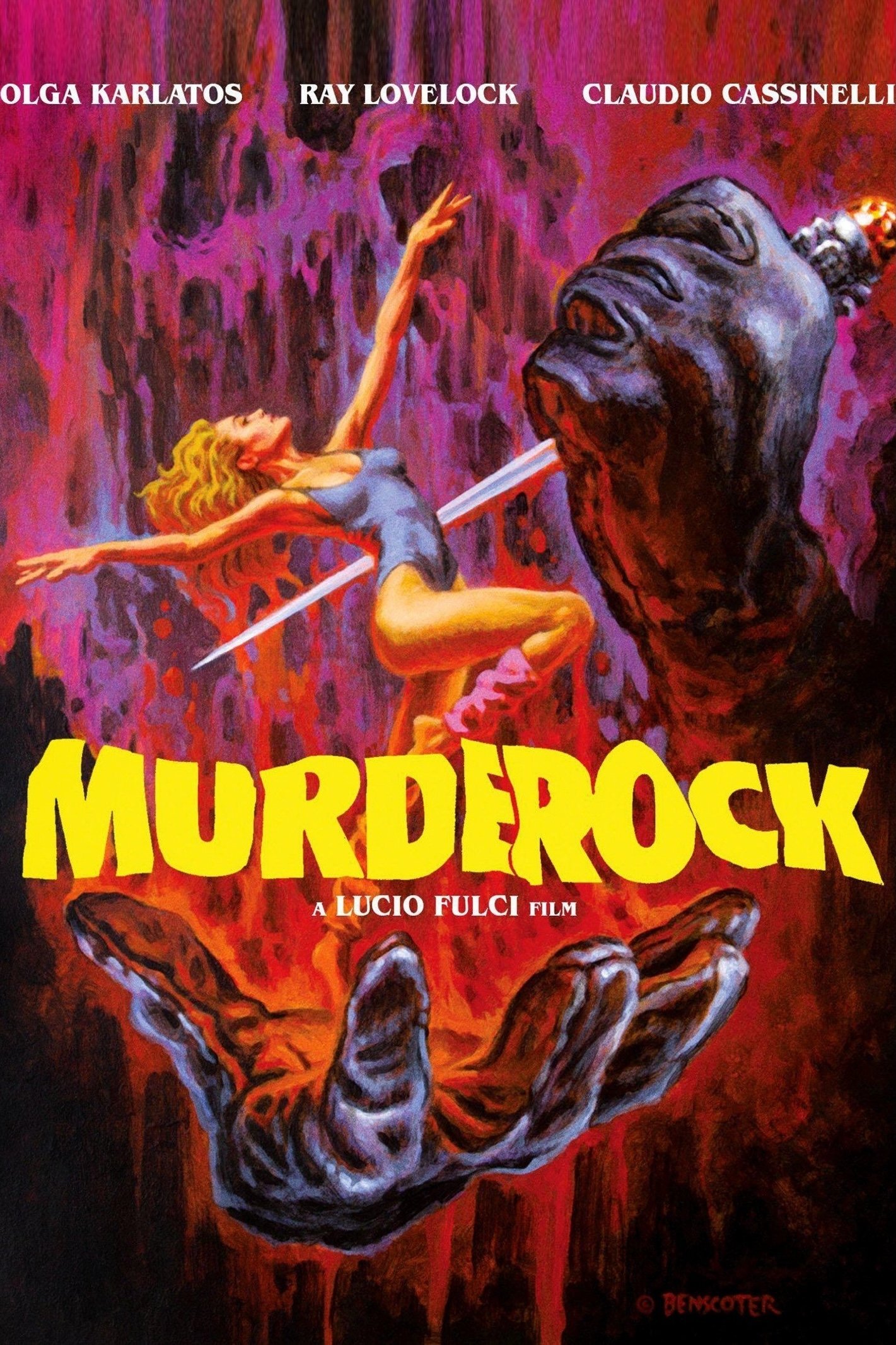
A total hoot for Italian horror novices and superfans alike, The Frida Cinema is jazzed to present Lucio Fulci’s Murder-Rock: Dancing Death!
Nothing is as it seems in this foggy ‘80s world of whiny dance students, backbiting school staff, puzzled cops, handsome strangers, surreal dream sequences, gruesome kills, naughty eroticism and spiraling labyrinthine mystery. Who will live to dance another day?!?!
One of the final horror gems in Fulci’s vast, sleazy filmography (Zombie, The Beyond), Murder-Rock blends Flashdance tropes, upbeat Eurodisco nonsense (courtesy of prog rocker Keith Emerson) and black-gloved slasher thrills into a lavish satisfying stew.
Read More