Are you ready to make television history?
The Frida Cinema is bringing in a limited run of Primetime, the fascinating new docudrama from director Lance Oppenheim, starring Robert Pattinson, Merritt Wever, Skyler Gisondo, and Phoebe Bridgers.
In 2006, To Catch a Predator host Chris Hansen sets out to make television history. When a high stakes operation goes fatally wrong, his veneered dream of fame curdles into a nightmare of performative justice.
About as provocative as mainstream art house thriller can get, Primetime is an electric and audacious entry into the A24 canon filled to the brim with with brilliant performances.
Enhanced Accessibility Options: this film has Closed Captioning, Assisted Listening, and Audio Description capability!
Read More
Jealousy and violence take center stage in Insiang, our Members Only screening for October 2026, celebrating Filipino American History Month.
This claustrophobic melodrama, a tautly constructed character study set in the slums of Manila. Lino Brocka crafts an eviscerating portrait of an innocent daughter and her bitter mother as women scorned. Insiang leads a quiet life dominated by household duties, but after she is raped by her mother’s lover and abandoned by the young man who claims to care for her, she exacts vicious revenge. A savage commentary on the degradations of urban poverty, especially for women, Insiang was the first Philippine film ever to play at Cannes.
Insiang was restored by the Cineteca di Bologna/ L’Immagine Ritrovata. Restoration funded by The Film Foundation’s World Cinema Project and the Film Development Council of the Philippines.
Not a Frida Cinema Film Club member? Sign up here!
Read More
Don’t miss out your chance to see La bola negra, the Oscars’ next big foreign language phenomenon, on the big screen at The Frida Cinema this November!
Spanning three different eras of Spanish history, La Bola Negra follows three men whose lives become mysteriously intertwined through secrets passed down through generations. From the shadow of the Spanish Civil War to a contemporary search for a forgotten family history, Los Javis (the name the two directors have lovingly been given over the years) weave together a sweeping queer epic about the people whose stories were erased.
The film’s Cannes premiere earned Los Javis the festival’s Best Director prize, it just won the prestigious Audience Award at the 2026 Toronto International Film Festival (the first non-English language film to do so in fifteen years) and now…the Oscar buzz is very real. With Spain officially putting La Bola Negra forward for the 99th Academy Awards, the question is no longer whether this is one of the year’s major international films, it’s how far this extraordinary, wildly ambitious movie can go in the Best Picture race.
Read More
Just added: Pain in the Neck stars Lauren Payton and Alyssa Eells will be joining us in-person to host our Sapphic Vampire Double Feature!
We’re giving you a double dose of lesbian vampire cinema with our Daughters of Darkness + The Vampire Lovers showcase!
First, travel to a secluded Belgian hotel for Harry Kümel’s Daughters of Darkness (1971), where newlyweds Stefan and Valerie encounter the mysterious Countess Elizabeth Báthory (Delphine Seyrig) and her beautiful companion Ilona. What begins as an uneasy encounter soon becomes a decadent nightmare with all kinds of twist and turns. And then, after a 10 minute intermission…
Sink your teeth into Hammer’s The Vampire Lovers (1970), Roy Ward Baker’s lush adaptation of Sheridan Le Fanu’s Carmilla. Ingrid Pitt stars as the seductive and deadly Carmilla, who sets her sights on a succession of young women, including the innocent Emma Morton (Madeline Smith), in one of Hammer’s most unabashedly sensual horror films.
About Pain in the Neck: After the apocalypse hits Hollywood, Ruby’s acting career is dead, her landlord’s a chatty zombie, and her roommate, Helena, is a vampire that drinks her blood in exchange for protection. As the two big personalities clash, Ruby and Helena struggle through self-tapes, jealousy, and sharing a bedroom. Ruby and Helena’s arrangement should be simple– it shouldn’t involve falling in love. (Spoiler: none of the gay characters die, because one of them is already undead.)
Pain in the Neck is an 8-episode series that premiered on 9/17 on YouTube @ButterflyAndBat.TV, with weekly episodes leading up to Halloween!
One ticket gets you access to both films. There will be a ten minute intermission. Frida Cinema discounts and comp passes DO apply!
Read More
You can’t run from who you are.
Our first Volunteer of the Month pick for October 2026 comes courtesy of Dorian, who has Luca Guadagnino’s cannibalistic road trip movie, Bones and All!
Abandoned by her father, a young woman embarks on a thousand-mile odyssey through the backroads of America where she meets a disenfranchised drifter. But despite their best efforts, all roads lead back to their terrifying pasts and to a final stand that will determine whether their love can survive their otherness.
With Taylor Russell delivering a heartbreaking performance alongside Timothée Chalamet, Mark Rylance, and Michael Stuhlbarg, Guadagnino turns cannibalism into an unexpectedly tender metaphor, culminating in one of the oddest films of his career. Which, if you know his work, is really saying something!
Read More
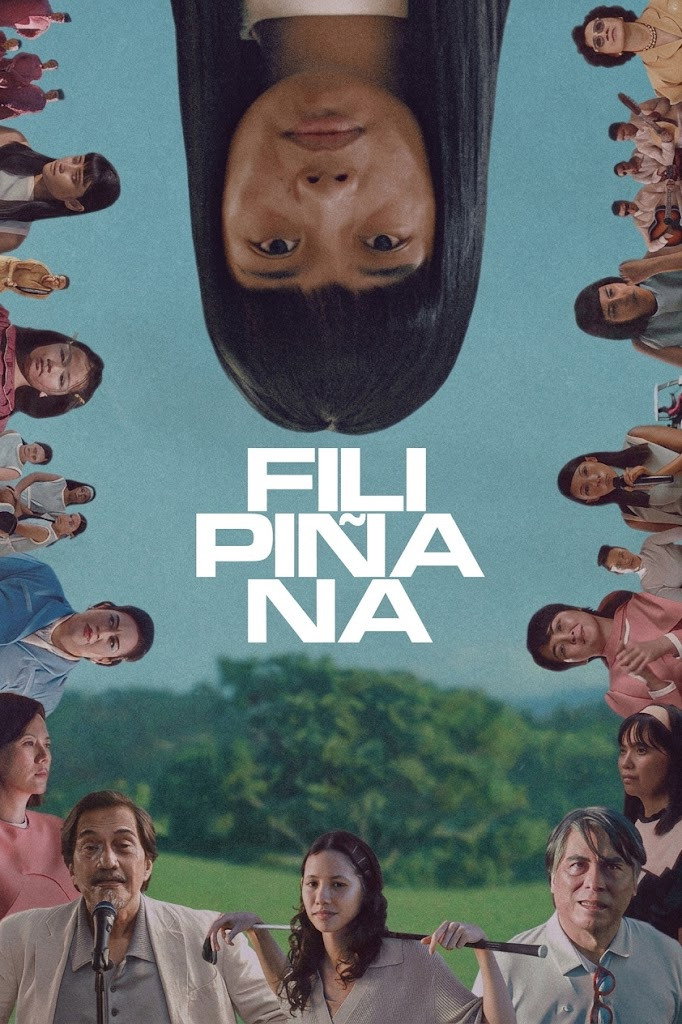
Filipiñana is coming to The Frida Cinema!
Amid stifling heat and pervasive drought, Isabel (Jorrybell Agoto), a 17-year-old Ilokana from the rural north, works at a posh country club outside Manila, lining up golf balls for powerful men to drive into the verdant horizon. New to the job, she wanders the immaculate grounds sampling its luxuries as members, including an industrialist and his expatriate niece, the club president and his pampered wife, and a slew of Chinese tourists, engage in a complex dance with the club’s doting and subservient staff.
“A masterwork. Rafael Manuel opens new vistas in the future of the cinema.” –Richard Brody, The New Yorker
“Impossibly gorgeous shot after impossibly gorgeous shot. It’s not an exaggeration to say that quite literally every frame is a work of art.” -Taylor Gates, Collider
Read More
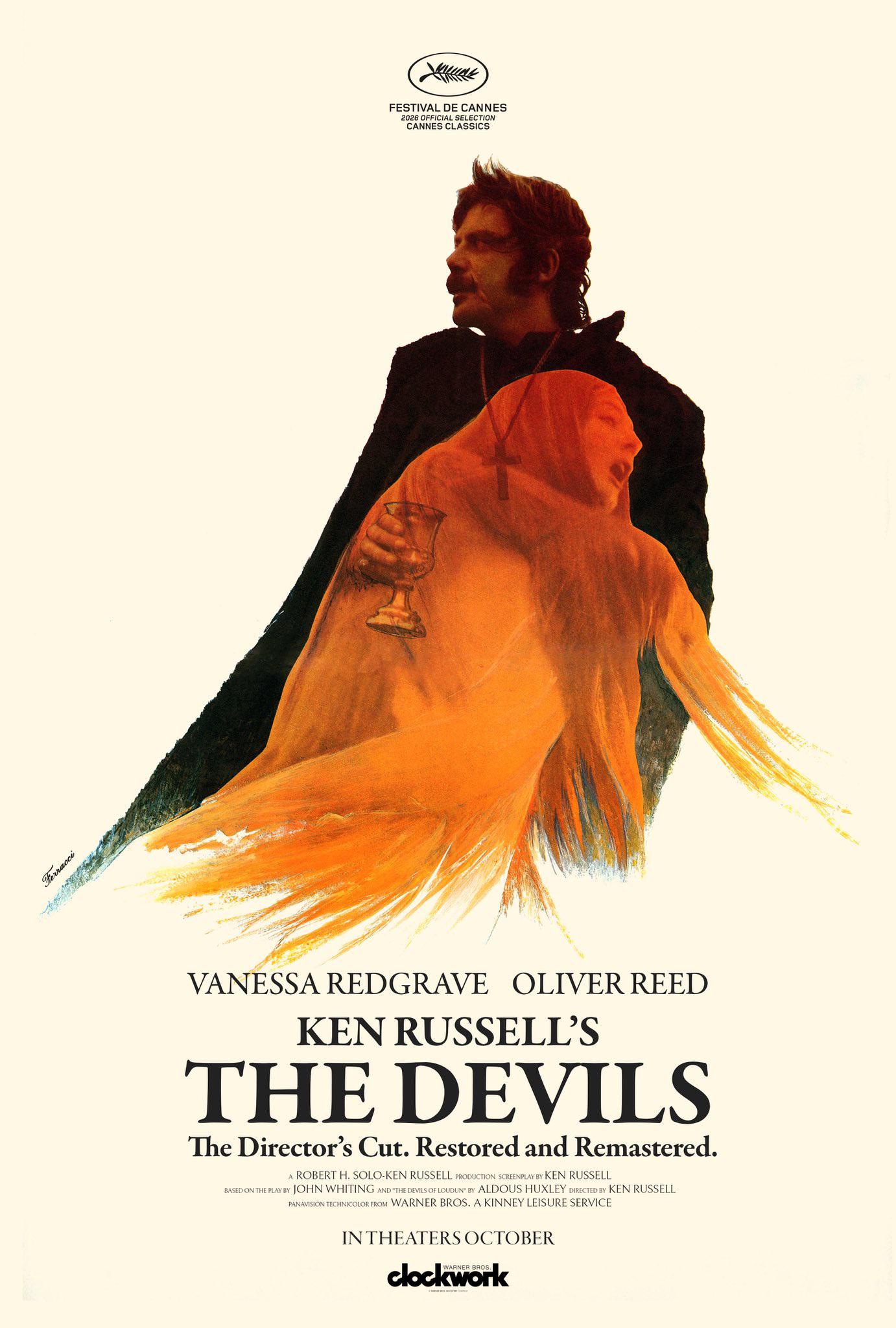
After 55 years…The Devils are finally unleashed!
Censored. Controversial. Practically impossible to see in its intended form. Now, Ken Russell’s The Devils is back. And this time, it’s in a brand new 4K restoration from the original camera negative, referencing the edit he privately constructed in 2004.
Based on the infamous true story of 17th-century French priest Urbain Grandier (Oliver Reed), The Devils follows a charismatic priest whose defiance of church and state makes him the target of a political conspiracy. When a sexually repressed nun (Vanessa Redgrave) accuses Grandier of witchcraft, an entire convent becomes consumed by an eruption of violence that threatens to tear the town apart.
This 1971 masterpiece is one of the most audacious films ever made and became one of the most notoriously censored films in British cinema. Don’t miss this extremely rare treat on the big screen!
Read More
MLB playoffs are heating up…Christian’s Staff Pick for the month is in…man, how could you not be romantic about baseball?
That’s right, we’re screening Moneyball for our October Staff Pick!
Billy Beane (Brad Pitt) is the general manager of the Oakland A’s, and he has a problem: after losing his best players to wealthier teams, he’s got almost no money to rebuild. His answer is unconventional–partner with young statistician Peter Brand (Jonah Hill) and use data to find undervalued players that everyone else has overlooked.
Based on Michael Lewis’s bestselling book, Bennett Miller’s Moneyball turns the seemingly dry world of baseball statistics into a gripping underdog story about challenging conventional wisdom. With a sharp screenplay from Steven Zaillian and Aaron Sorkin, a terrific ensemble featuring Philip Seymour Hoffman and Chris Pratt, and Brad Pitt giving one of his most effortlessly charismatic performances, the film became a modern sports classic.
Read More
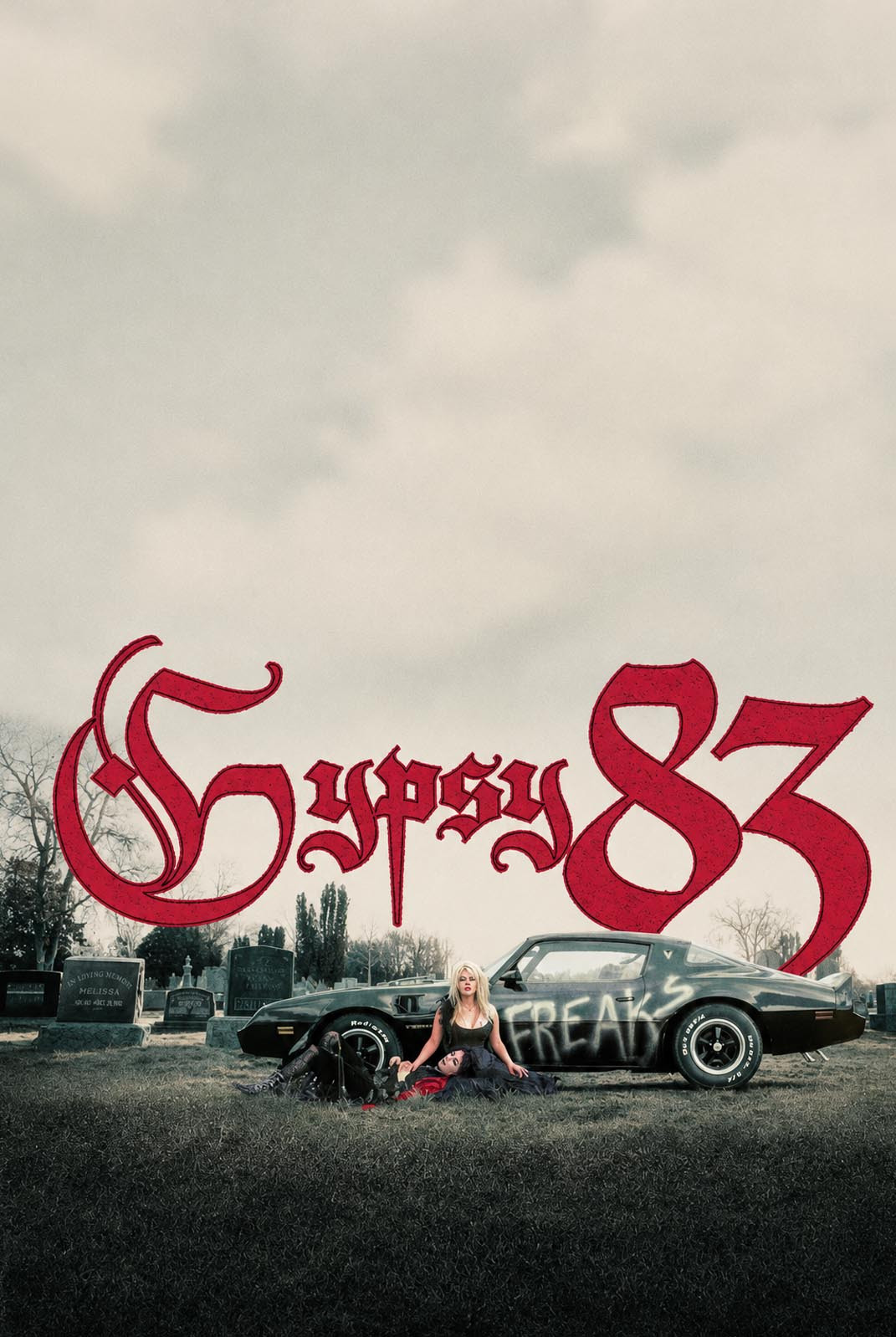
Gypsy 83: Director’s Cut is coming to The Frida Cinema with a brand new 4K restoration!
Sandusky, Ohio is hell on earth for goth misfits and Stevie Nicks superfans Gypsy Vale (Sara Rue) and her younger, queer protégée Clive Webb (Birkett Turton). When they discover a New York City club is hosting a “Night of 1000 Stevies”, the pair hit the road with high hopes that Gypsy will be able to perform. Along the way, they encounter other misfits who pave the way to their salvation, all while discovering profound truths about themselves.
For its 25th Anniversary, Gypsy 83 has been completely reimagined as a brand-new Director’s Cut, restored in 4K from the 35mm camera negative. Now featuring over 40 minutes of never-before-seen footage and containing more legendary goth songs from bands like The Cure, Cocteau Twins and Echo and the Bunnymen, the Director’s Cut is sure to satiate longtime fans and create a generation of new ones.
Read More
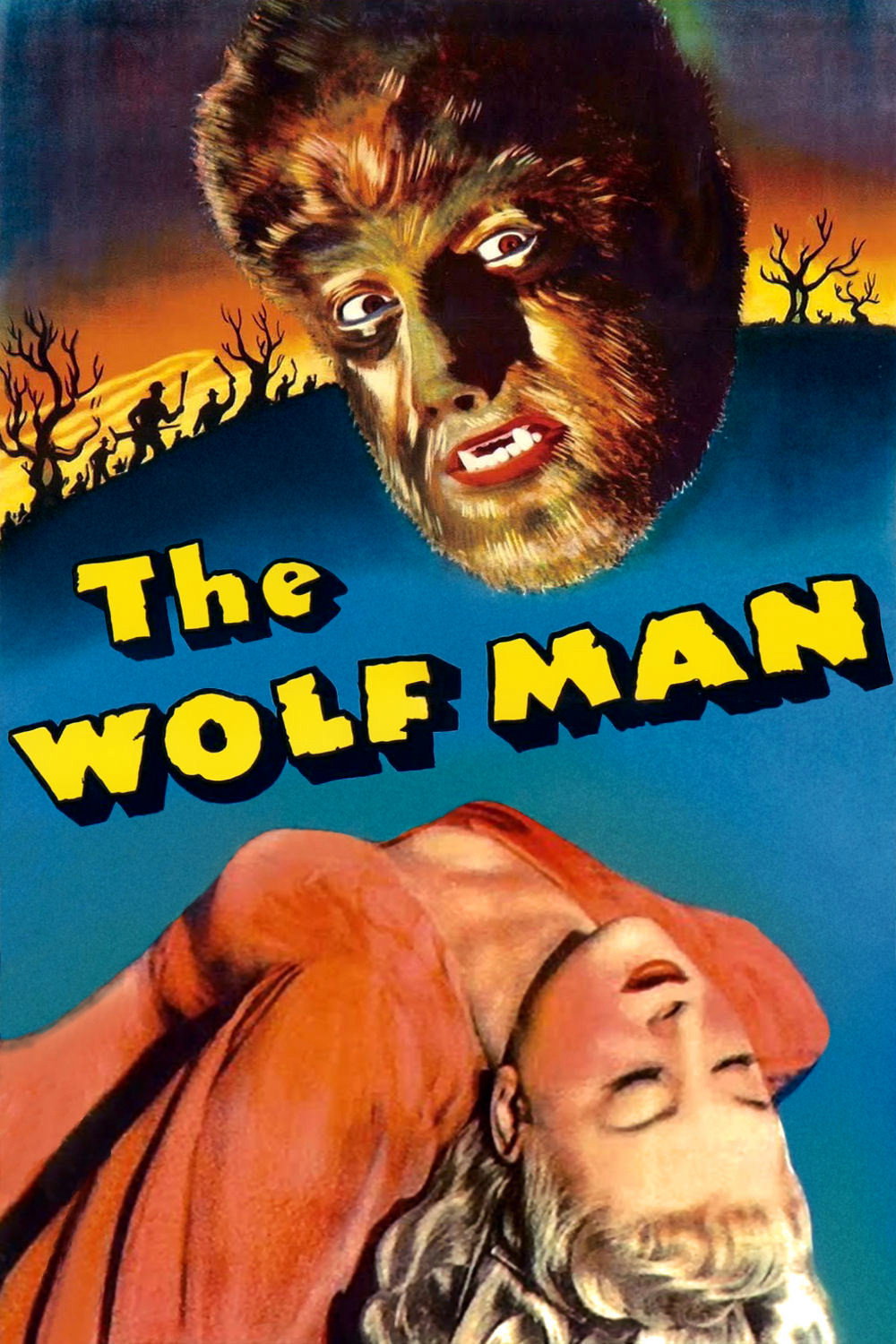
Our Universal Monster Movie Weekend howls on with The Wolf Man!
When Larry Talbot (Lon Chaney Jr.) returns to his family’s ancestral home in Wales, a chance encounter with a mysterious gypsy named Maleva (Maria Ouspenskaya) and a bite from a werewolf named Bela (Bela) sends his life spiraling into terror. As the full moon rises, Larry transforms into a bloodthirsty beast…and with every transformation, he becomes less certain that there’s anything left of the man he once was.
Directed by George Waggner and written by Curt Siodmak, The Wolf Man gave Universal its definitive werewolf, complete with the silver bullets, full-moon mythology, and tragic curse that would become staples of the genre. But beneath the makeup and monster mayhem is a genuinely melancholy story about a man desperately trying to escape a fate he cannot control, brought to life by Lon Chaney Jr. in the defining performance of his career.
Read More