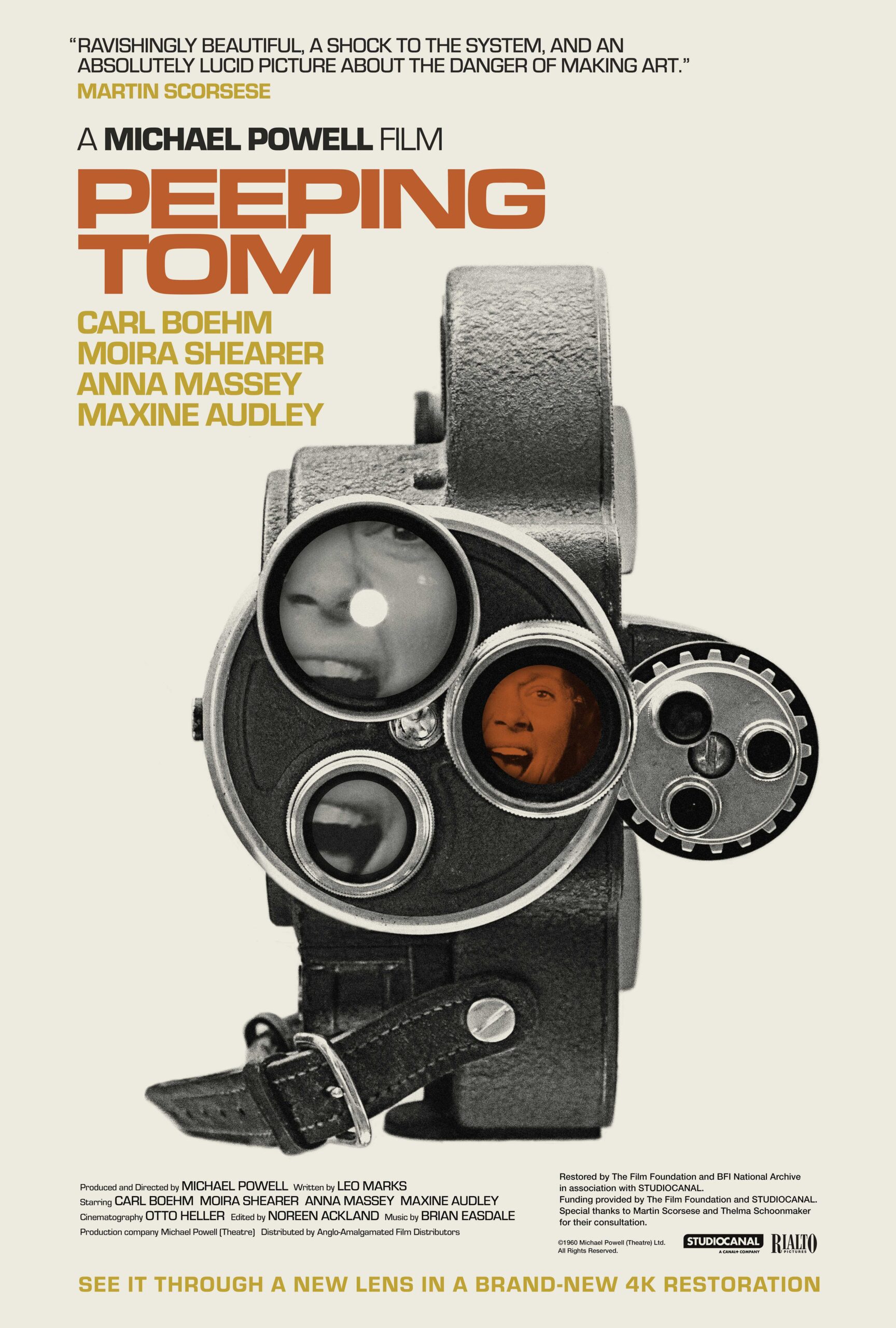
Michael Powell’s (of the iconic directorial duo Powell & Pressburger) deeply disturbing Peeping Tom is coming to The Frida Cinema in a brand new restoration from Rialto Pictures!
Loner Mark Lewis works at a film studio during the day and, at night, takes racy photographs of women. Also he’s making a documentary on fear, which involves recording the reactions of victims as he murders them. He befriends Helen, the daughter of the family living in the apartment below his, and he tells her vaguely about the movie he is making.
When Peeping Tom premiered in 1960, British critics savaged it. The film was immediately branded “vile,” “depraved,” and “disgusting.” 55 years later, it’s one of the most influential (and cleverly shot) thrillers ever made.
Read More
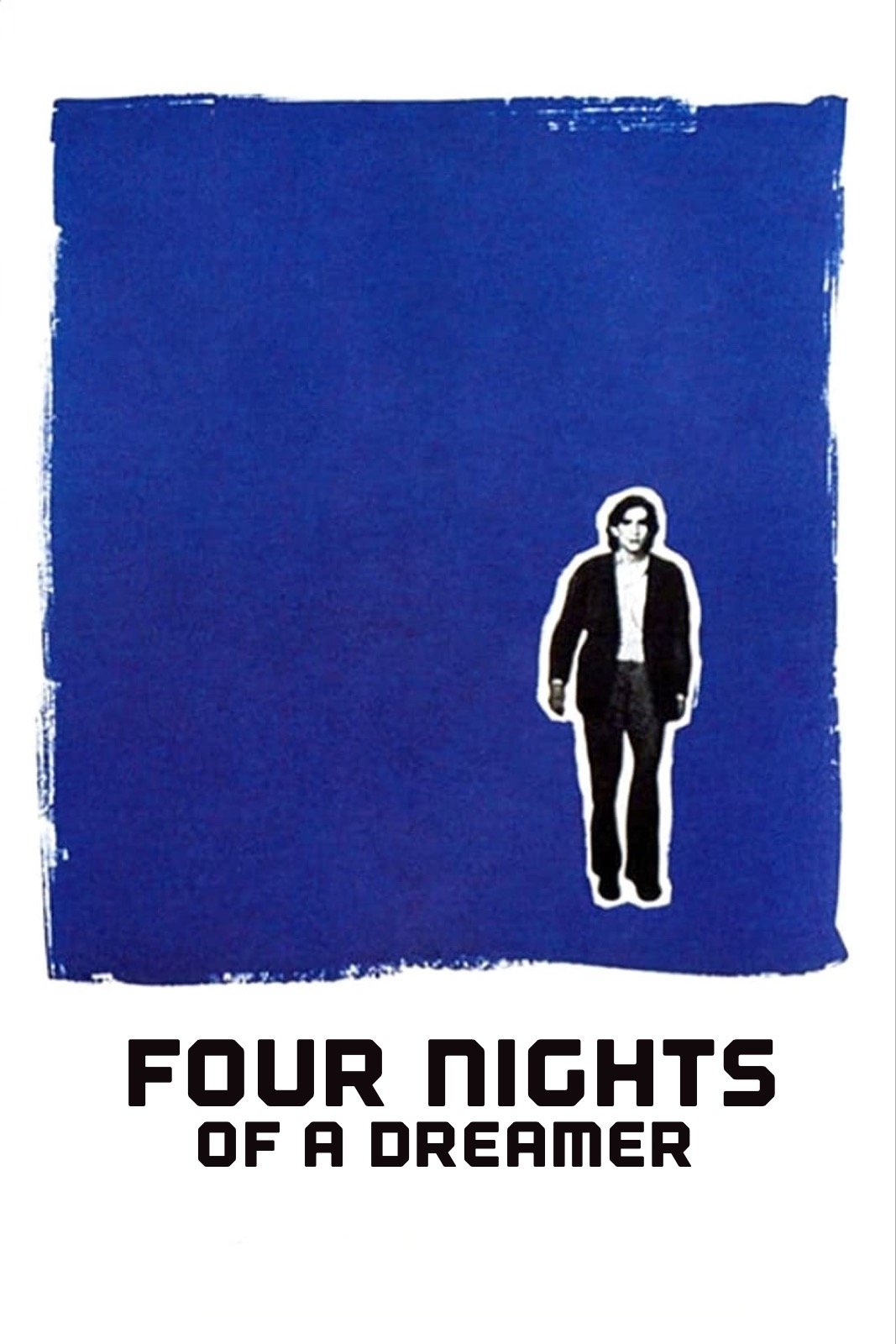
The rarely screened Four Nights of a Dreamer is Robert Bresson’s great forgotten masterpiece, a stark yet haunting ode to romantic idealism and the capriciousness of love. We are presenting it in a brand new 4K restoration via our friends at Janus Films!
Adapted from Fyodor Dostoevsky’s “White Nights,” Four Nights follows Jacques (Guillaume des Forêts), a lonely artist who roams bohemian Paris in search of the girl of his dreams. One night he saves a beautiful young woman, Marthe, from plunging into the Seine in despair over her rejection by an avoidant lover (Maurice Monnoyer). Jacques compassionately attempts to reunite Marthe with her beau, but his feelings for his new friend soon become less than platonic and his investment in her personal drama far from selfless.
Four Nights of a Dreamer has been called the French master’s “loveliest” work: with his signature minimalism, Bresson films the shimmering beauty of nocturnal Paris as it enfolds his characters in endless possibility—subtly capturing the wonder of unexpected connection and the mystery of fate.
Read More
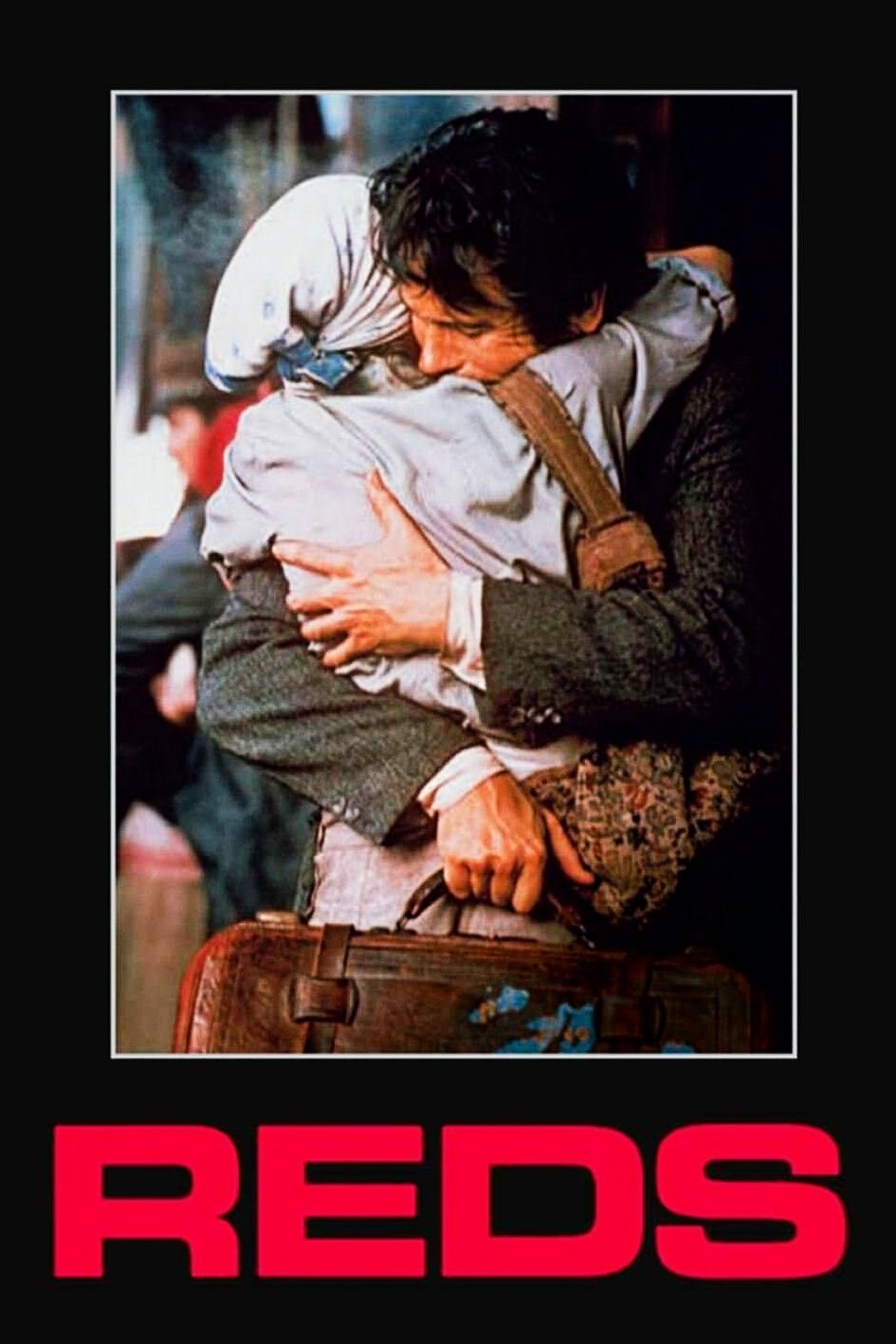
As a tribute to the late, great Diane Keaton, we are presenting one of her most striking and under-sung performances in Warren Beatty’s sweeping 1981 epic Reds.
Told on an operatic scale, Reds chronicles the real-life romance between radical journalist John Reed (Beatty) and writer-feminist Louise Bryant (Keaton), set against the turbulence of early-20th-century revolution. While history remembers Reed as the author of Ten Days That Shook the World, it’s Keaton’s Louise who anchors the film—unwilling to live in anyone’s shadow.
Shot with the grandeur of classic Hollywood and the intimacy of a love letter, Reds earned Beatty an Academy Award for Best Director and Keaton a Best Actress nomination, cementing her as more than the quirky icon of Annie Hall. Here she is–resolute and radiant forever.
Read More
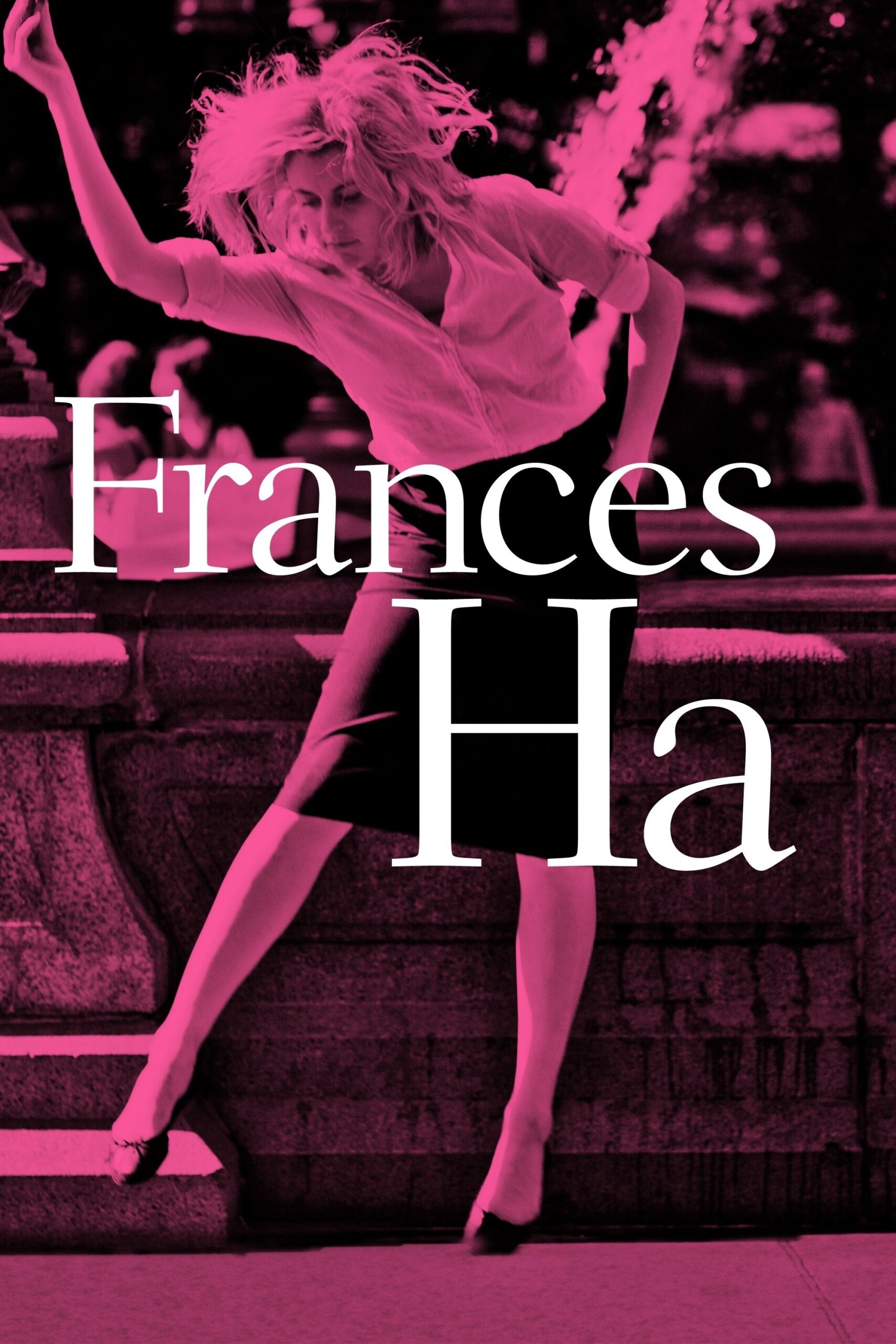
She’s not messy. She’s busy! To celebrate new films coming out this year from directors Noah Baumbach and Greta Gerwig, we are presenting our favorite collaboration between them–the 21st century masterpiece Frances Ha!
Frances is a 27-year-old New Yorker chasing her dream of becoming a dancer long after the world has stopped applauding. When her best friend and roommate Sophie (Mickey Sumner) moves out, Frances stumbles through a series of apartments, odd jobs, and almost-romances in a city that both resists and reshapes her.
Shot in luminous monochrome and pulsing with French New Wave energy, Frances Ha is funny and quietly profound—a portrait of creative uncertainty and the friendships that carry us through it. Baumbach and Gerwig co-wrote the film with such honesty and rhythm that every awkward conversation feels so horrifyingly alive.
Read More
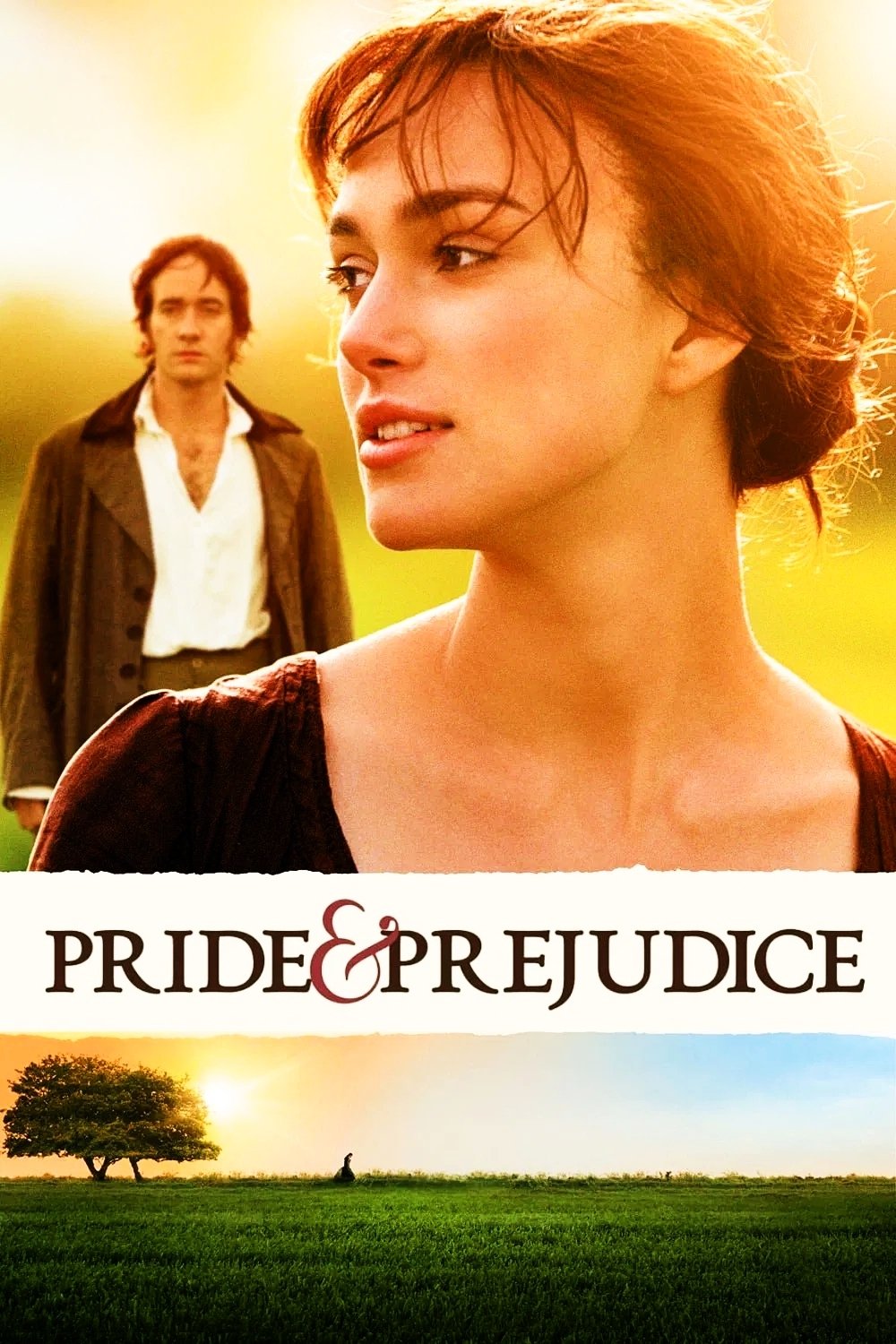
Celebrate 20 years of Joe Wright’s iconic romantic classic Pride & Prejudice, starring Keira Knightley, Matthew Macfayden, Rosamund Pike, and Carey Mulligan!
A story of love and life among the landed English gentry during the Georgian era. Mr. Bennet is a gentleman living in Hertfordshire with his overbearing wife and five daughters, but if he dies their house will be inherited by a distant cousin whom they have never met, so the family’s future happiness and security is dependent on the daughters making good marriages.
A sweeping, sun-dappled reinvention of Jane Austen’s beloved novel that redefined period romance for a new generation, Pride & Prejudice is more popular and beloved than ever!
Read More
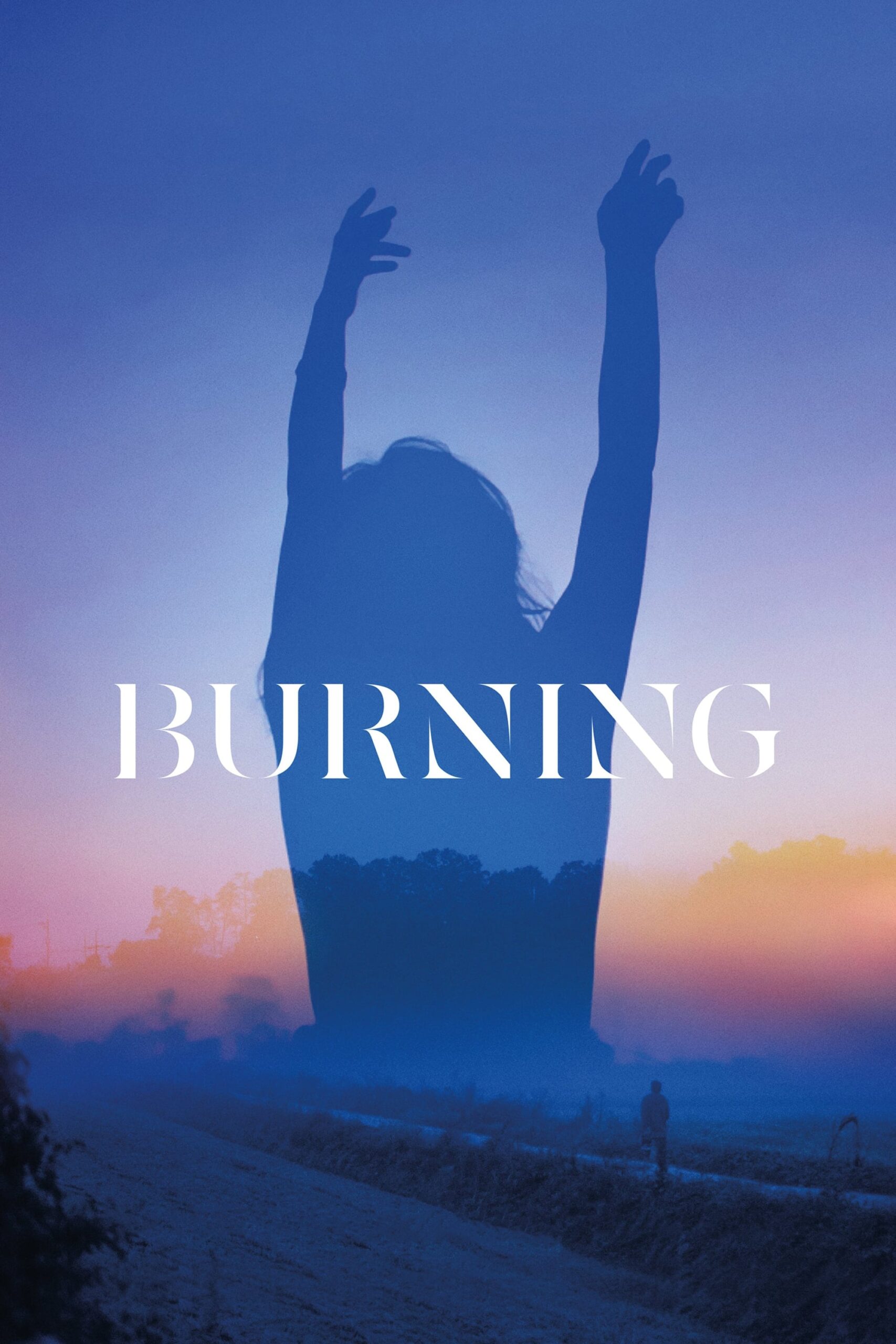
From acclaimed director Lee Chang-dong (Poetry, Secret Sunshine) comes Burning, our first Volunteer Of The Month pick for November, thanks to our friend Eugene!
When aimless delivery worker Jong-su (Yoo Ah-in) reconnects with a spirited young woman from his past (Jeon Jong-seo), their brief spark is interrupted by the arrival of Ben (Steven Yeun), her wealthy and enigmatic new friend. What begins as a quiet love triangle unfolds into a haunting mystery of class, longing, and the invisible rage simmering beneath modern life.
Adapted from a Haruki Murakami short story, Burning builds its tension like a fever dream. With its stunning performances an an ending that ignited endless debate, it’s a masterwork of ambiguity and unease.
Read More
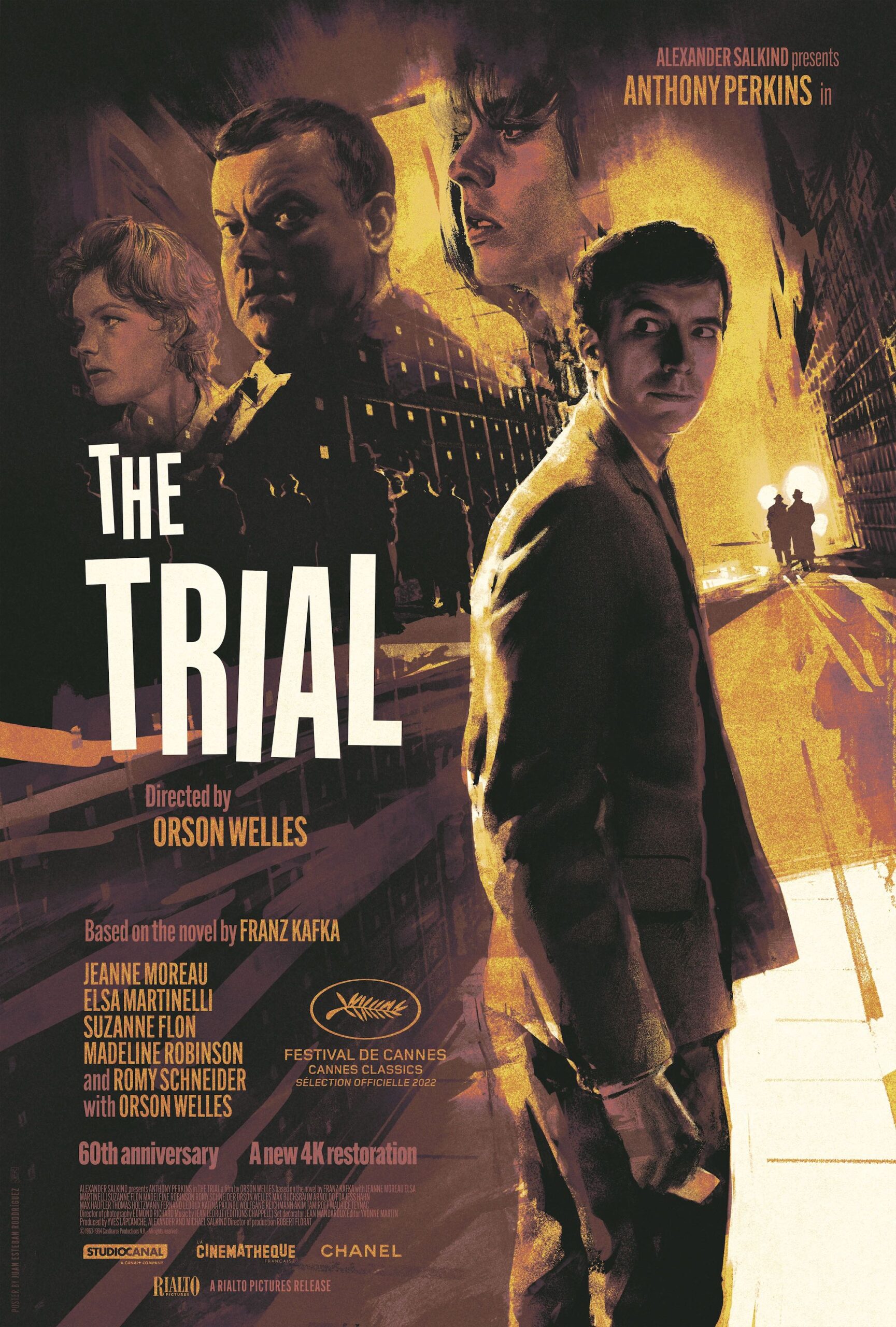
Our final Volunteer Of The Month pick was picked by Emma, as she has chosen Orson Welles’s singular adaptation of Franz Kafka’s chilling The Trial!
When bank clerk Josef K. (Anthony Perkins) is arrested on his thirtieth birthday—never told what he’s charged with, never shown his accusers—his attempt at normal life fractures into a surreal labyrinth of law offices, dark corridors, and anonymous verdicts. The law doesn’t need to explain itself, and neither does Welles’ camera—it obsesses over angles, shadows, and the hollowness of bureaucracy.
With its stark black-and-white visuals, towering architecture, and a sense of dread that feels both grand and intimate, The Trial is Welles’ most personal film—a nightmare built not for a moment, but for an eternity.
Read More
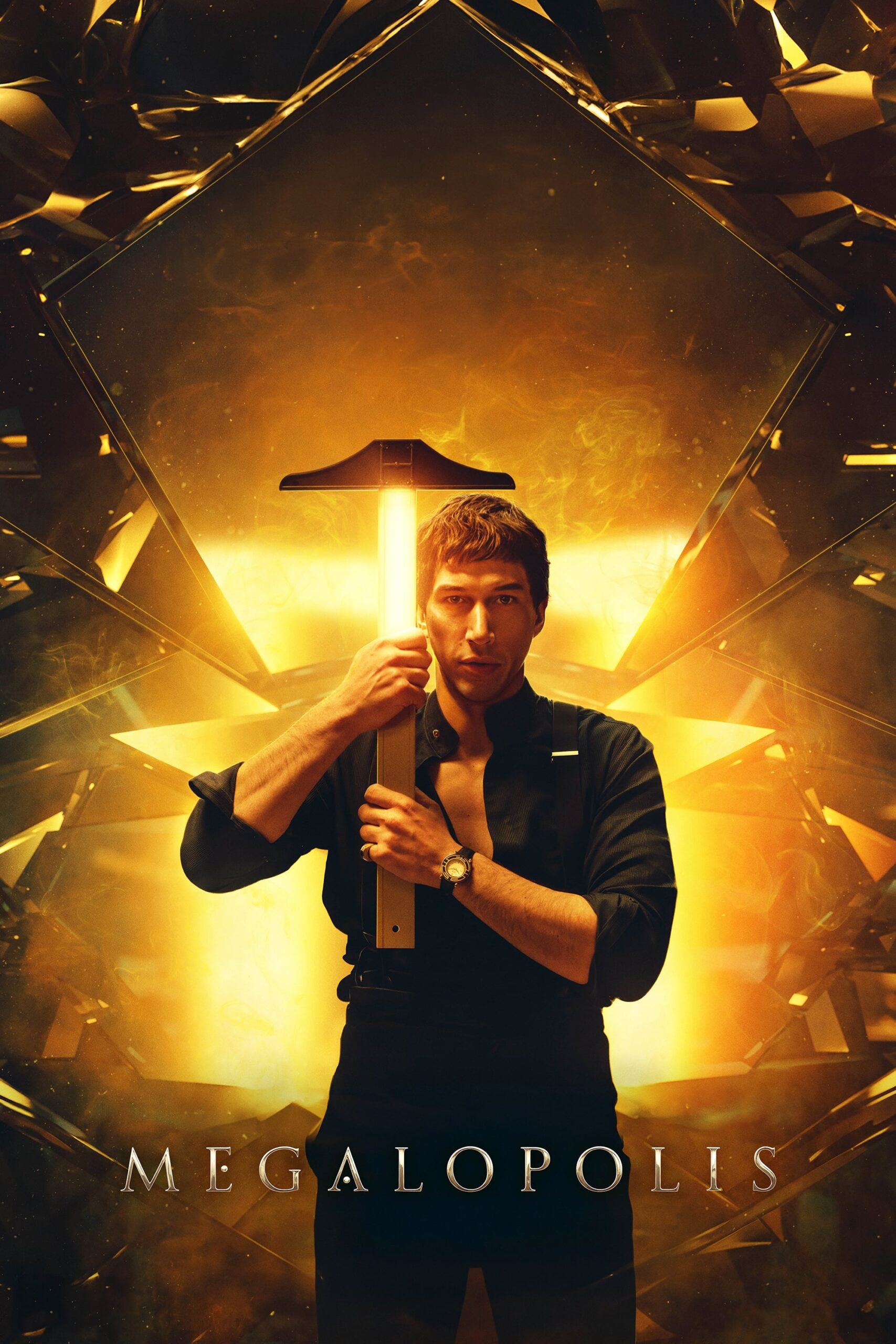
A city of dreams…and a dream of a city. Francis Ford Coppola’s long-gestating epic Megalopolis finally arrives at The Frida Cinema for a special tw-night event. A bold statement on power and the fate of civilization, it is not to be missed on the big screen.
In a futuristic New York known as New Rome, visionary architect Cesar Catilina dreams of building “Megalopolis,” a utopian city that redefines society’s limits. Opposing him is the corrupt Mayor Franklyn Cicero, who clings to power and profit. Between them stands Julia, the mayor’s daughter, whose love for Cesar forces her to choose between loyalty, ambition, and the fate of humanity.
Shot over decades and self-financed at a staggering scale, Megalopolis is Coppola’s personal reckoning with myth, empire, and the artist’s role in shaping—or shattering—society.
Read More
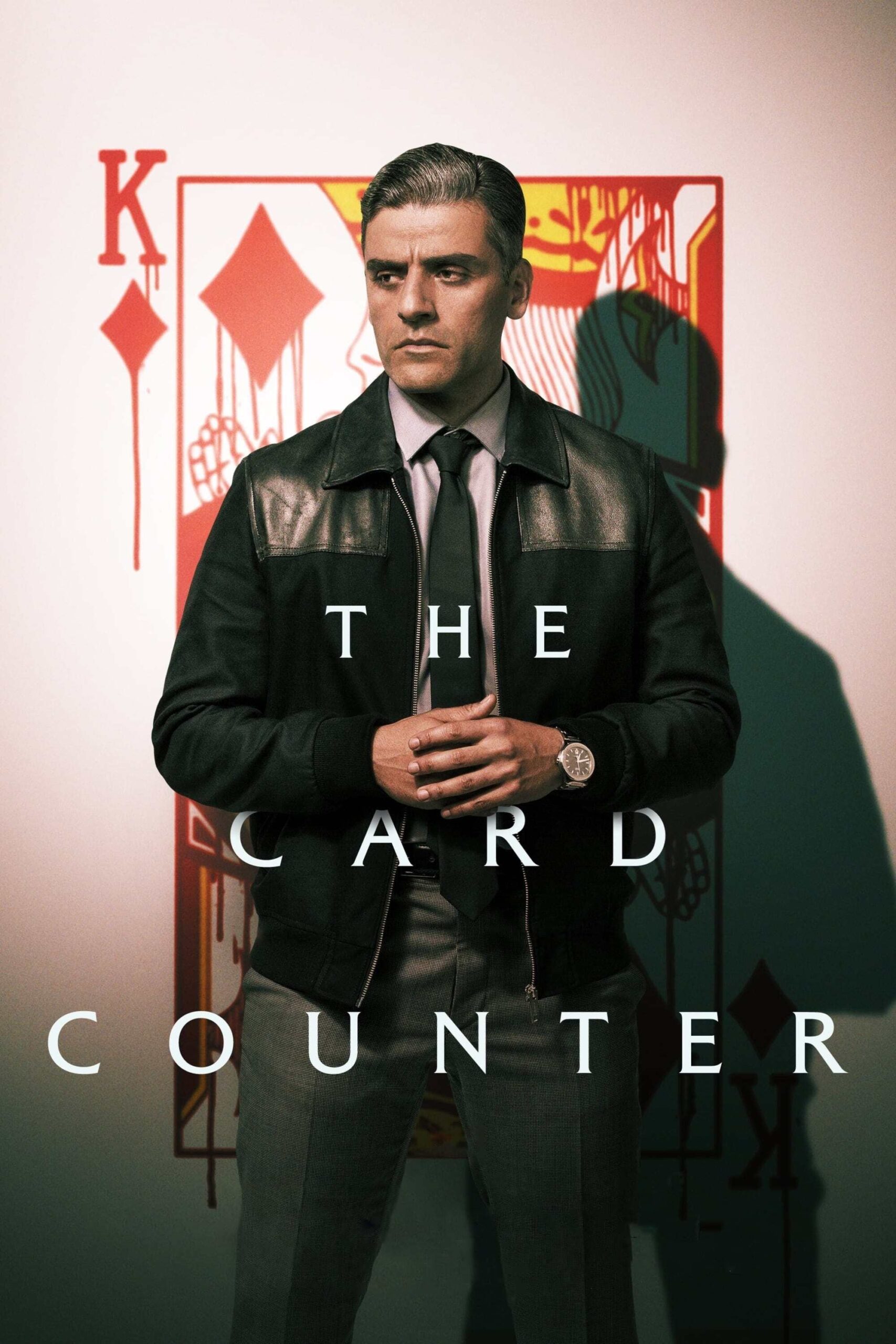
Place your bets. Paul Schrader’s The Card Counter returns to The Frida as our first Volunteer Of The Month pick—this one courtesy of Jonathan!
William Tell just wants to play cards. His spartan existence on the casino trail is shattered when he is approached by Cirk, a vulnerable and angry young man seeking help to execute his plan for revenge on a military colonel. Tell sees a chance at redemption through his relationship with Cirk. But keeping Cirk on the straight-and-narrow proves impossible, dragging Tell back into the darkness of his past.
Produced by Martin Scorsese and written and directed by Schrader (First Reformed, Hardcore, American Gigolo), The Card Counter is a simmering psychological thriller where every move feels like penance.
Read More
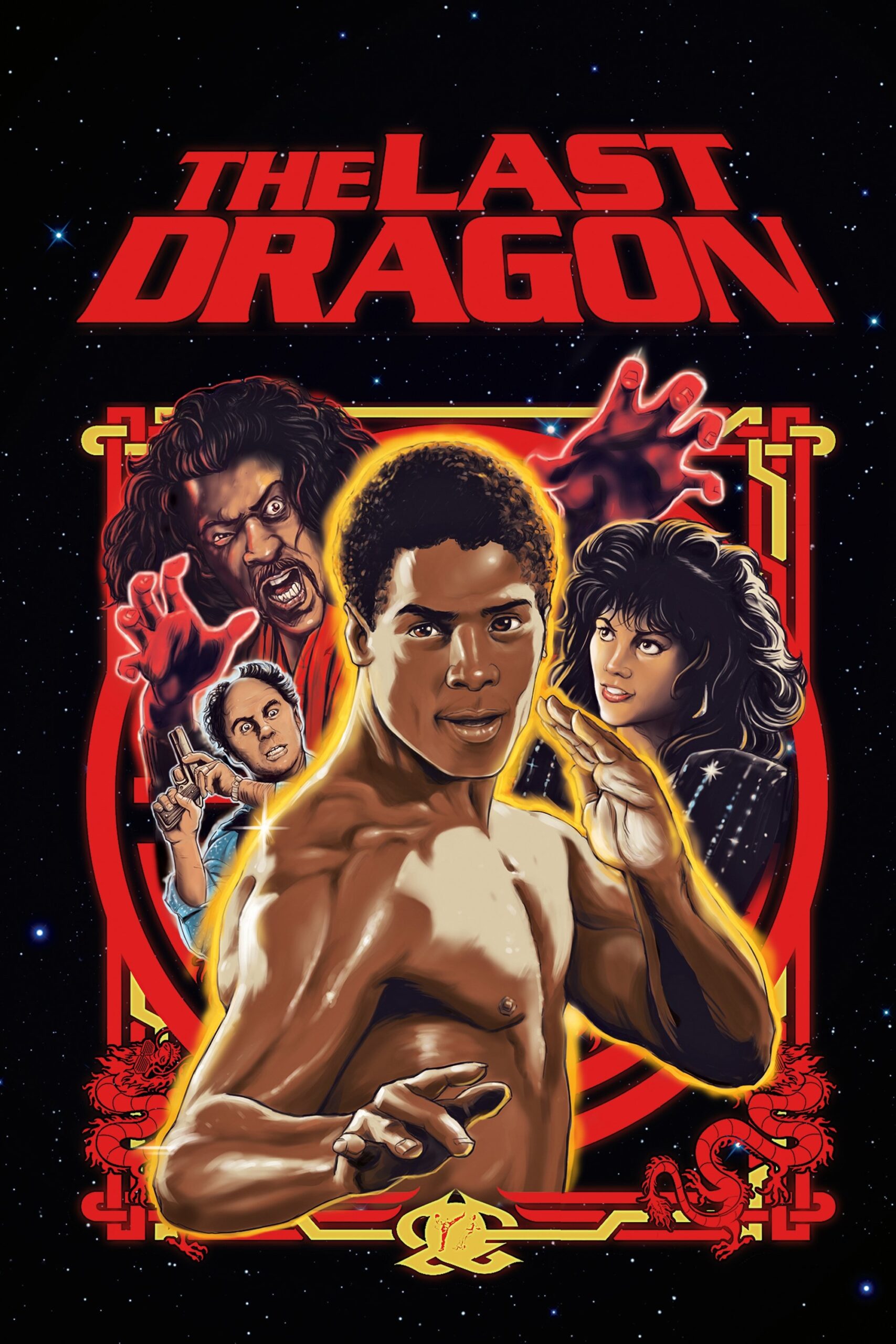
He’s a master of kung fu. He’s a hero with soul. He’s got the glow.
Berry Gordy’s Motown martial arts masterpiece The Last Dragon kicks its way into our November lineup, now celebrating 40 years since its initial release!
When Harlem martial artist Leroy Green (Taimak) sets out to achieve the final level of enlightenment—the legendary “Glow”—he finds himself battling street gangs, showbiz villains, and the self-proclaimed Shogun of Harlem, Sho’nuff (Julius Carry, in one of cinema’s most gloriously over-the-top performances). Along the way, he discovers that true mastery isn’t just about fighting—it’s about believing in your own power.
Packed with neon-lit action and an unforgettable soundtrack featuring Stevie Wonder and DeBarge, The Last Dragon is a genre-blending cult sensation. Don’t miss it!
Read More