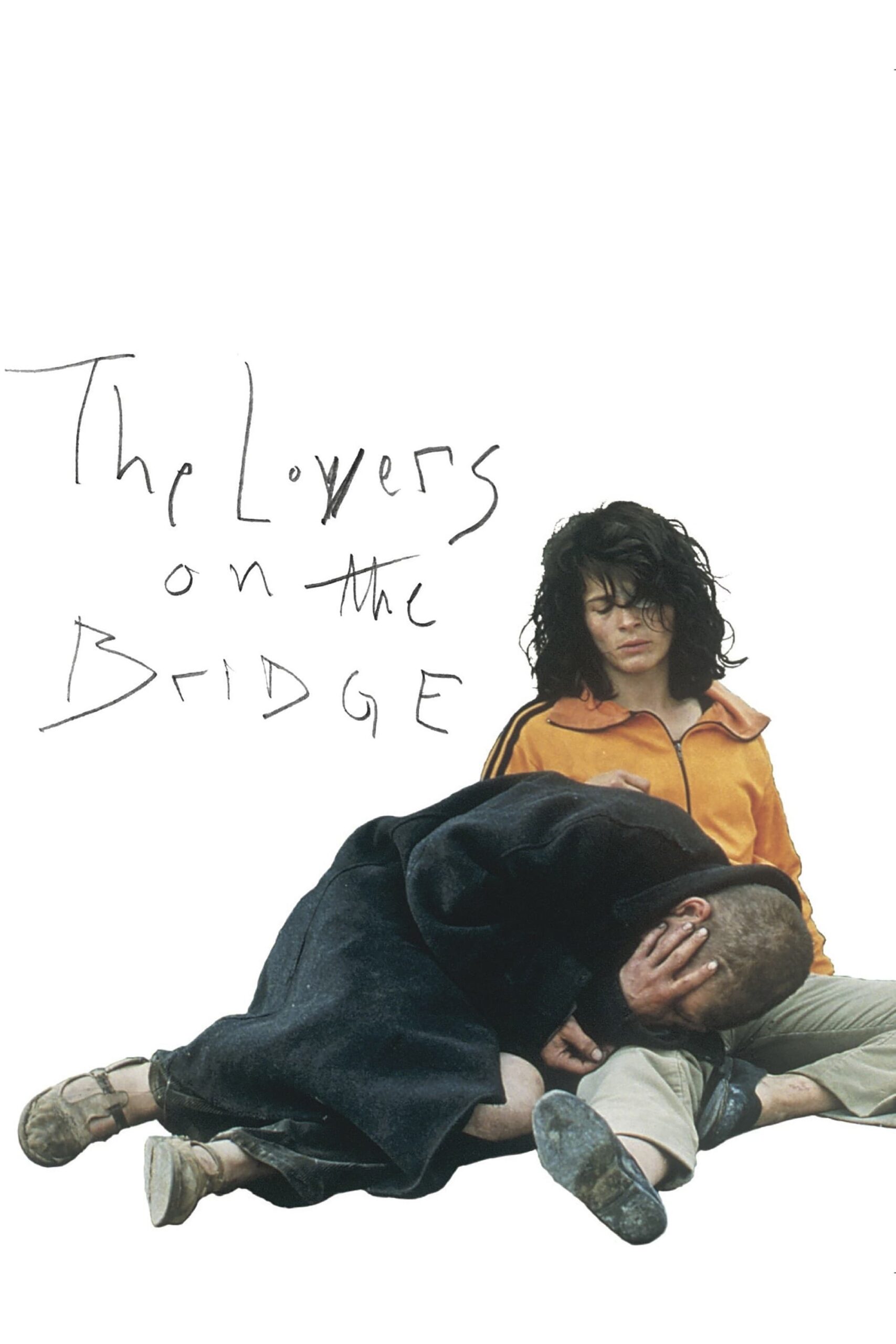
Leos Carax’s delirious saga The Lovers On The Bridge is coming to The Frida Cinema in a brand new 4K restoration!
The story traces the highs and lows of the passionate relationship that develops between a homeless artist (Juliette Binoche) who is losing her sight and a troubled, alcoholic street performer (Denis Lavant) living on Paris’s famed Pont-Neuf bridge. Capturing their romantic abandon with a giddy expressionist energy—especially in a wild dance sequence set against an explosion of fireworks— this whirlwind love story is an exhilarating journey through a relationship that confirmed Carax’s status as one of the leading lights of the post–New Wave French cinema.
This 4K restoration was carried out by TransPerfect Media from the original 35mm film negative and multi tracks. Color grading supervised by Caroline Champetier, sound by Thomas Guader. Project supervised by Sophie Boyer, Jean Pierre Boiget and the StudioCanal team. Digitization and restoration done with the support of the CNC and the participation of Theo Films.
Read More
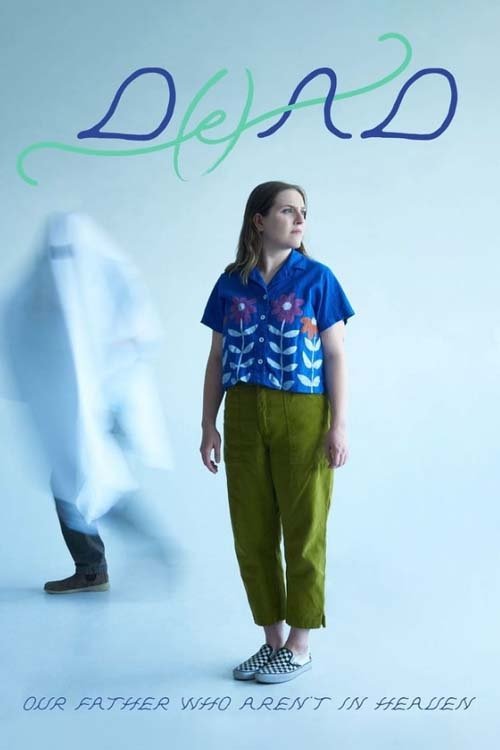
What do you get when you have three generations of comedians in one family, and someone dies? If you guessed an independent autobiographical self-funded feature-length dark comedy, you’d be absolutely right. D(e)AD is written by and starring Isabella Roland (Dropout.tv, Sex Lives Of College Girls); and directed by and starring Isabella’s mom, Claudia Lonow (creator/showrunner of How to Live With Your Parents for the Rest of Your Life, Accidentally on Purpose, Good Girls Don’t and Rude Awakening); and also the rest of their family.
Tillie (Isabella Roland), a floundering young woman and her charismatic, alcoholic father (Craig Bierko), struggle to resolve their fractured relationship in the weirdest possible way: after he dies, his ghost appears in mirrors to haunt everyone in the family but Tillie. Tillie’s sister, Violet (Vic Michaelis), mother (Claudia Lonow), grandparents (Mark Lonow and Joanne Astrow), stepfather (Jonathan Schmock), and even Violet’s free-spirited baby daddy (Nick Marini), must do everything they can to make Tillie see her father… even employing a very reform rabbi (Eddie Peppitone) to exorcize him… or else they will be plagued by this ghost forever.
Just added: after the screening, we will be joined by Izzy Roland, Claudia Lonow, and Jonathan Schmock for a special in-person Q&A!
Tickets are $15 for this special event and $40 for a ticket + exclusive poster for the film!
Read More
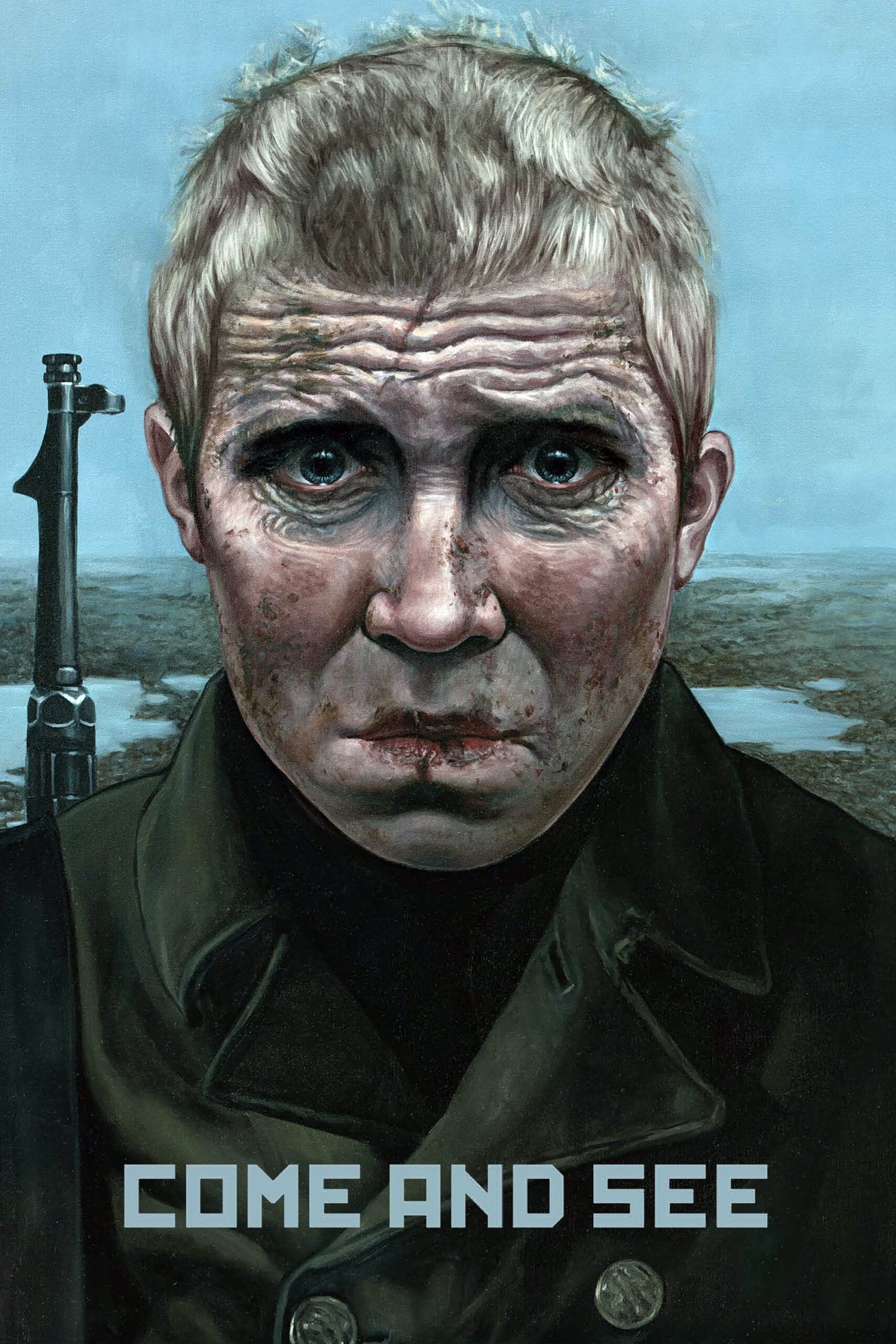
Widely regarded as one of the most harrowing antiwar films ever made, Elem Klimov’s Come and See (1985) is not merely watched—it’s endured. A hallucinatory descent into the heart of wartime atrocity, this Soviet masterpiece marks its 40th anniversary with a limited run at The Frida Cinema, now restored in 4K.
When 14-year-old Flyora (a devastating Aleksei Kravchenko, delivering one of cinema’s most haunting performances) joins the Soviet partisans to fight back against the Nazi invasion of Belarus, he dreams of glory. What follows is something far more nightmarish—a journey through villages reduced to ash signaling the brutal erasure of innocence.
Shot with unnerving intimacy, Come and See immerses you in the psychological collapse of a child thrust into a world beyond comprehension. Its script was nearly buried for eight years by Soviet censors—and when it was finally unleashed, it left a mark that has never faded. Unflinching, unforgettable, and necessary, Come And See is a masterpiece and (unfortunately) more relevant than ever.
Read More
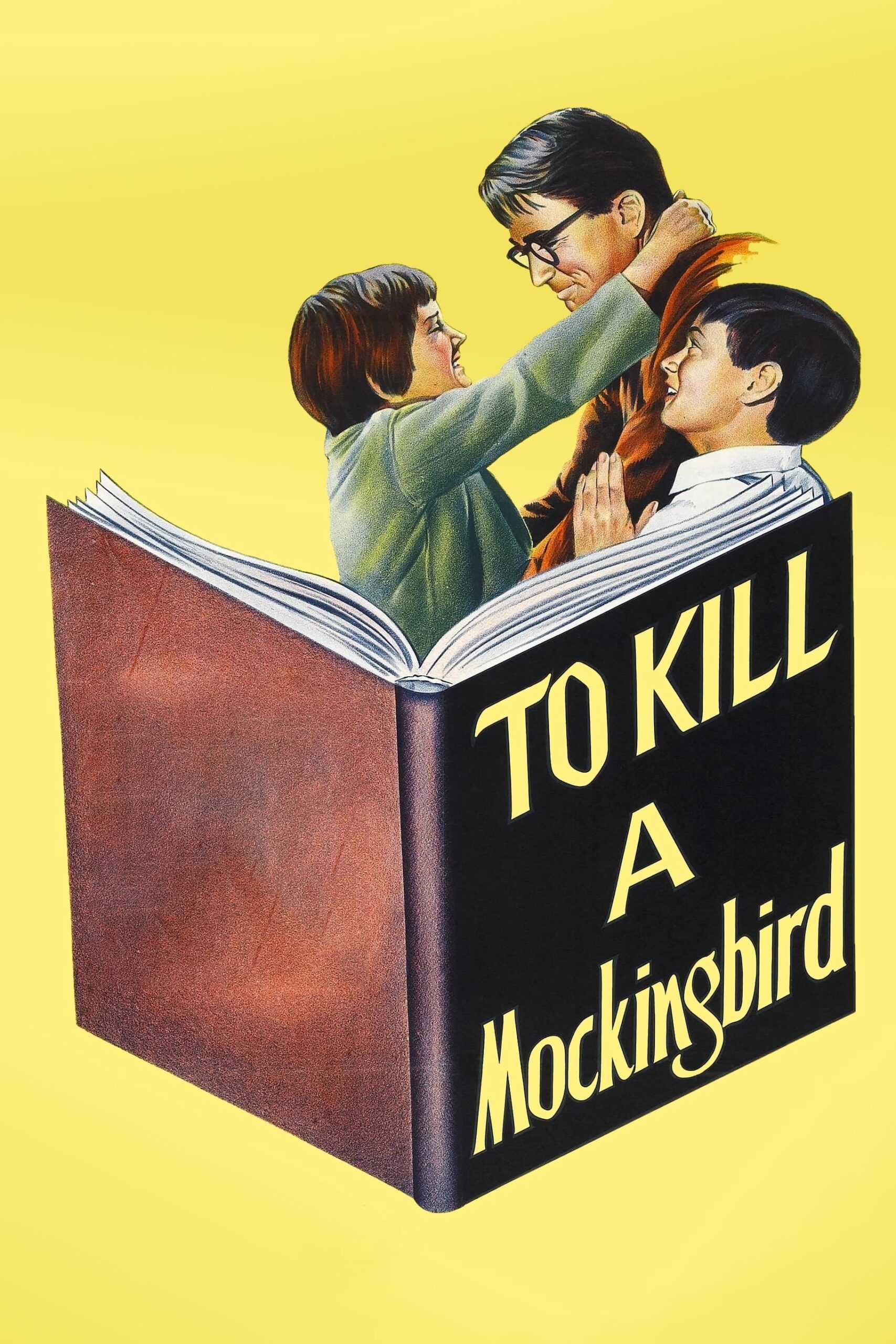
Our Page To Screen series is highlighting a true American classic—Robert Mulligan’s To Kill a Mockingbird.
Adapted from Harper Lee’s Pulitzer Prize–winning novel, this is the rare film that honors its literary roots while carving out a legacy all its own. Set in the racially divided South of the 1930s, the story unfolds through the eyes of young Scout Finch, whose widowed father, Atticus (a career-defining Gregory Peck), is appointed to defend a Black man falsely accused of assaulting a white woman.
To Kill a Mockingbird is a story about justice, empathy, and the quiet heroism of doing what’s right—even when it’s hard. Elmer Bernstein’s haunting score and Robert Duvall’s unforgettable debut as the mysterious Boo Radley only deepen the film’s emotional power. Whether you first met the Finch family on the page or the screen, this is a story that continues to move, challenge, and inspire—generation after generation.
Read More
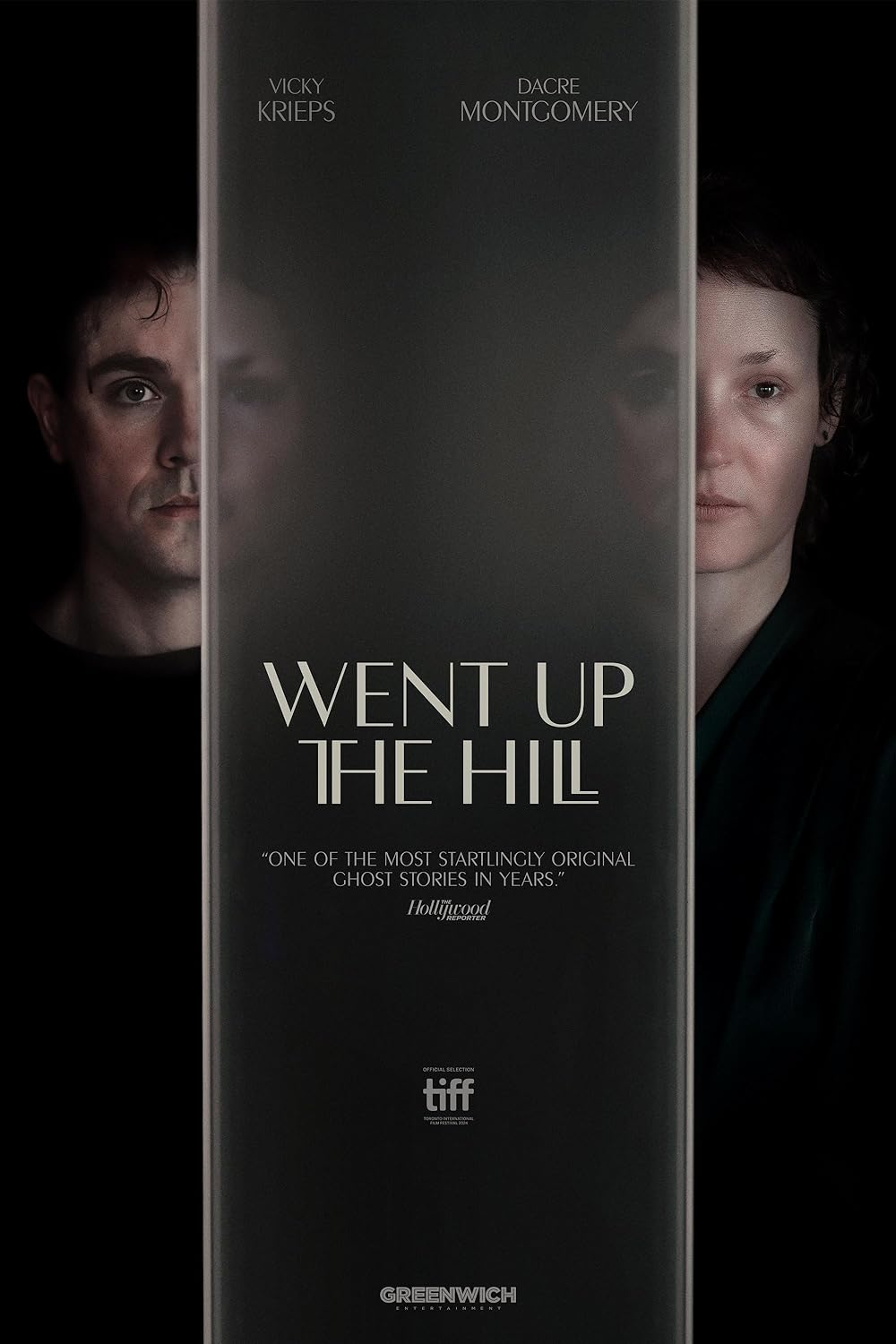
Greenwhich Entertainment’s newest release, Went Up The Hill, is coming to The Frida Cinema!
In this chilling ghost story, a recently deceased woman haunts her estranged son Jack (Dacre Montgomery of Stranger Things) and her grieving widow Jill (Vicky Krieps of Phantom Thread and Corsage). When the woman’s spirit inhabits the survivors, the living must grapple with the destruction she left behind while fighting for their own survival.
Went Up The Hill debuted earlier this year at the Toronto International Film Festival.
Read More
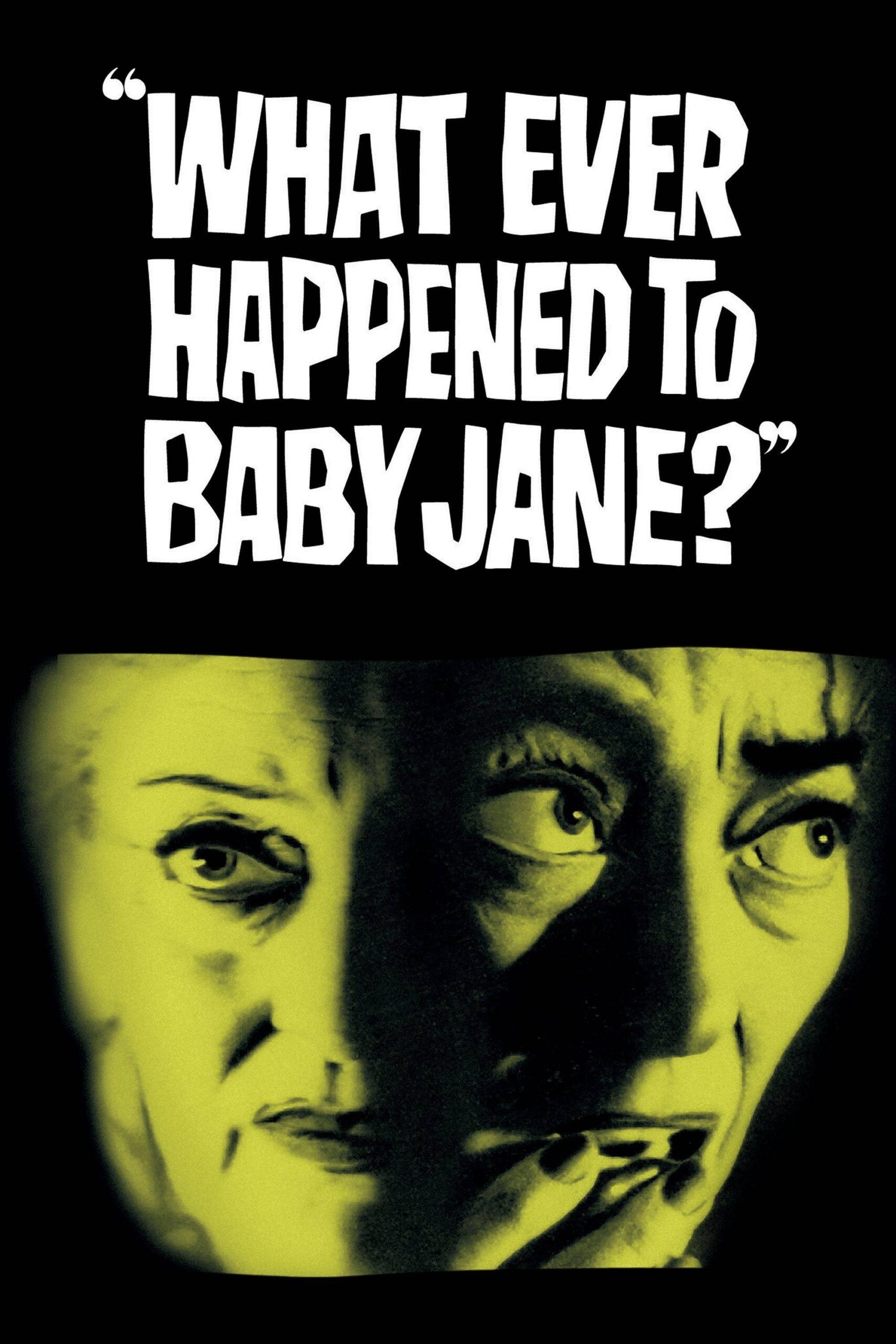
Join us for a night of chilling camp, psychological suspense, and Old Hollywood fireworks as our Classic Movie Nights series delves into the deranged world of What Ever Happened to Baby Jane?
Bette Davis and Joan Crawford—two screen legends whose off-screen rivalry was just as infamous as their on-screen performances (but we’ll let Bekah really fill you on the details here)—square off in this deliciously macabre tale of faded fame. Davis is unforgettable (and unhinged) as Baby Jane Hudson, a former child star rotting in her own delusions, while Crawford brings heartbreaking restraint as Blanche, her wheelchair-bound sister, trapped with a woman teetering between guilt and madness.
A cult classic of high-wire hysteria from director Robert Aldrich, What Ever Happened To Baby Jane? paved the way for “psycho-biddy” cinema and gave aging actresses roles they could sink their teeth into—sometimes literally.
Make sure to get to the screening early, as our Marketing Director Bekah will be doing a very informative and entertaining presentation on the film before it starts!
Read More
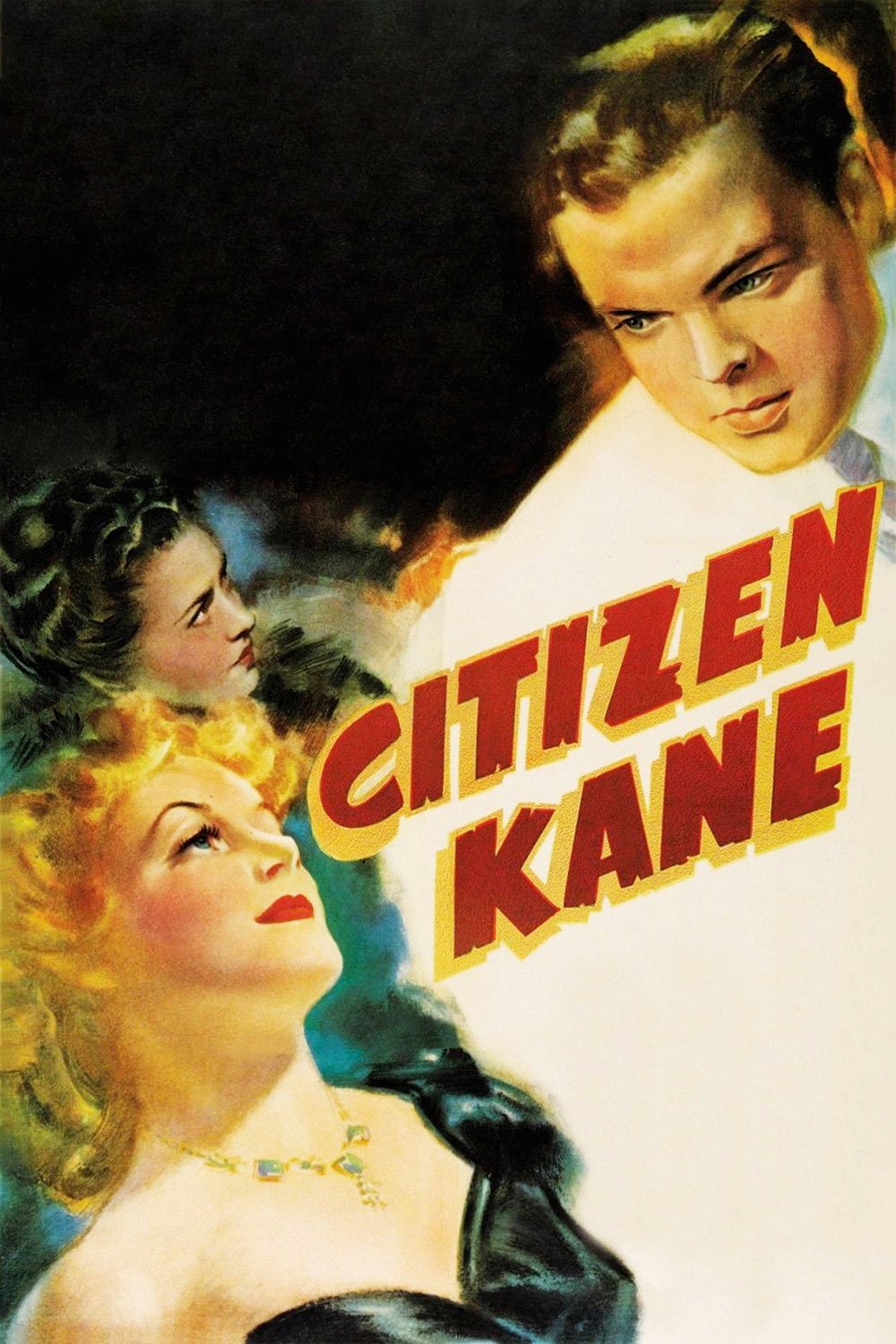
Our Classic Movie Nights series is finally making its way to one of the greatest achievements in cinema history—Citizen Kane, Orson Welles’ groundbreaking debut that changed the language of film forever.
Equal parts mystery and character study, Citizen Kane isn’t just the story of a man—it’s the story of America told through the rise and fall of Charles Foster Kane, a newspaper tycoon whose final word sends a reporter on a labyrinthine quest for meaning. Welles directs, co-writes, and stars in this epic of fractured memories, unreliable narrators, and stone cold cinematography that still feels audacious over 80 years later. We know you’ve been told to watch this film your whole life, that it’s “the greatest movie ever made”, and so many other things, but trust us: this is a film best experienced on the big screen.
Make sure to get to the screening early, as our Marketing Director Bekah will be doing a very informative and entertaining presentation on the film before it starts!
Read More
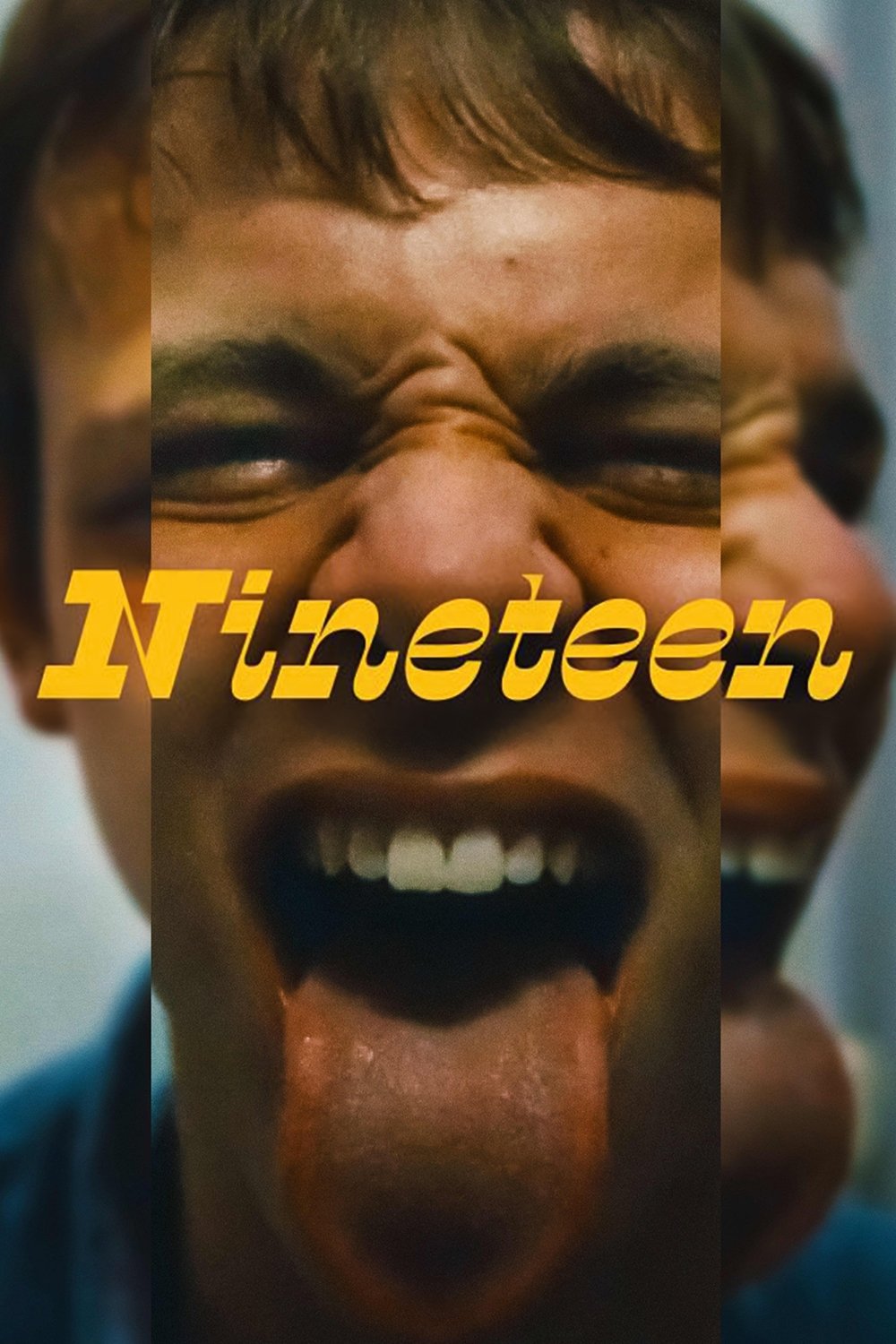
The Italian coming-of-age film Diciannove is making its way to The Frida Cinema!
The highs and lows of a restless youth collide headlong into the concrete realities of adulthood when Leonardo, a teenager from Palermo leaves home for the first time. His studies land him in Siena, by way of London, where he clashes with his instructor, the curriculum, and most chaotically, with himself. Produced by Luca Guadagnino, Diciannove (nineteen), marks the feature filmmaking debut of writer-director Giovanni Tortorici, a bold, brash and bemusing filmmaking talent.
Winner of the Queer Lion Award at Venice International Film Festival in 2024, Diciannove has been celebrated all over the world and is finally coming stateside!
Read More
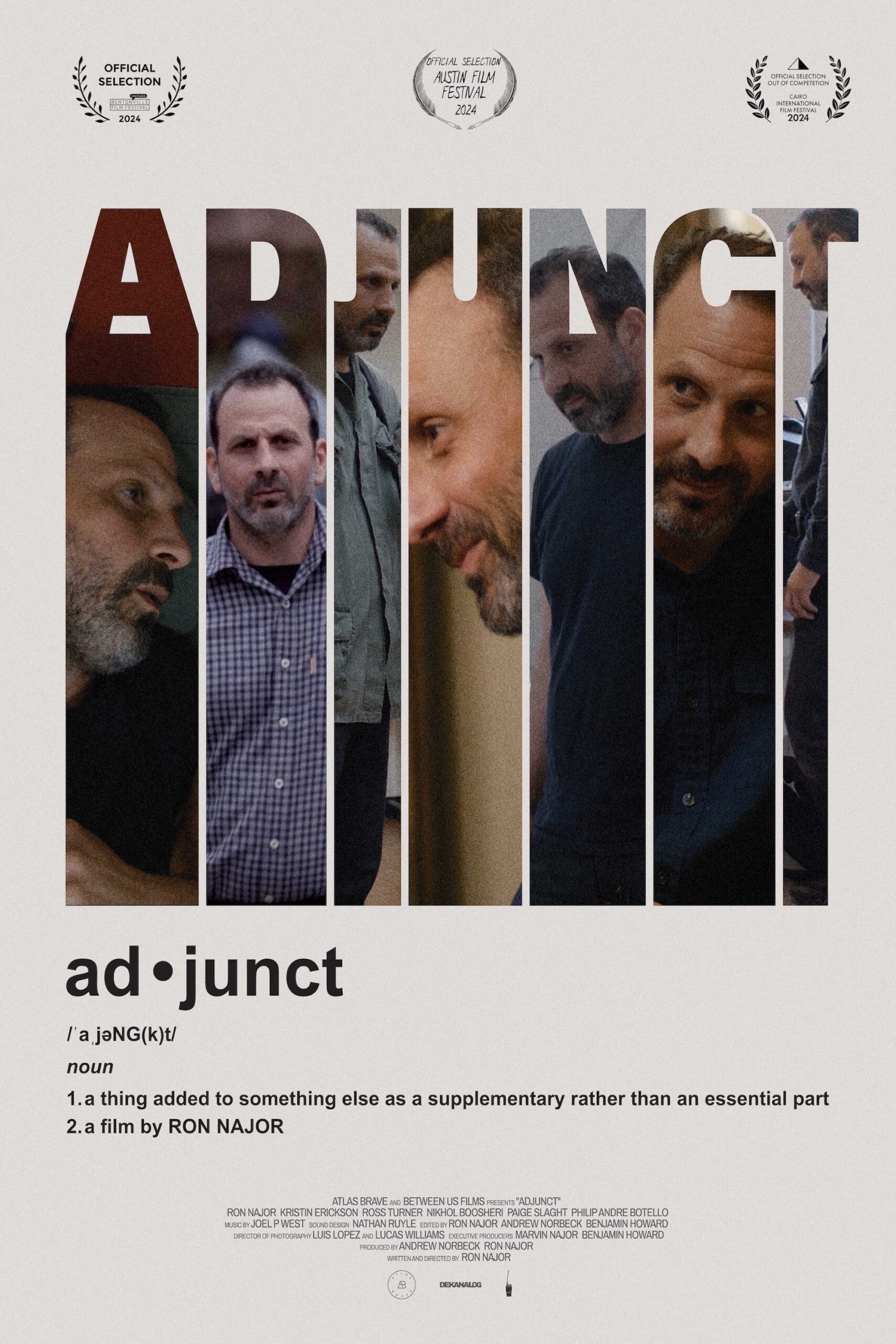
Join us on Monday, September 1st for a screening of the new indie film Adjunct, and stick around after the screening for an in-person Q&A with the writer, director, and star of the film–Ron Najor!
In Adjunct, a Middle Eastern American writer turned adjunct college professor comes to terms with being undervalued at his job and figures out his next move. A profoundly personal exploration of purpose and resilience in a system that values flexibility over loyalty.
Based on his real life experiences as an adjunct college professor, Ron Najor (producer of Short Term 12 and the upcoming Lucky Lu) wrote, directed, produced and starred in Adjunct as a means of sharing the behind the scenes realities of being an educator in the university system.
Read More
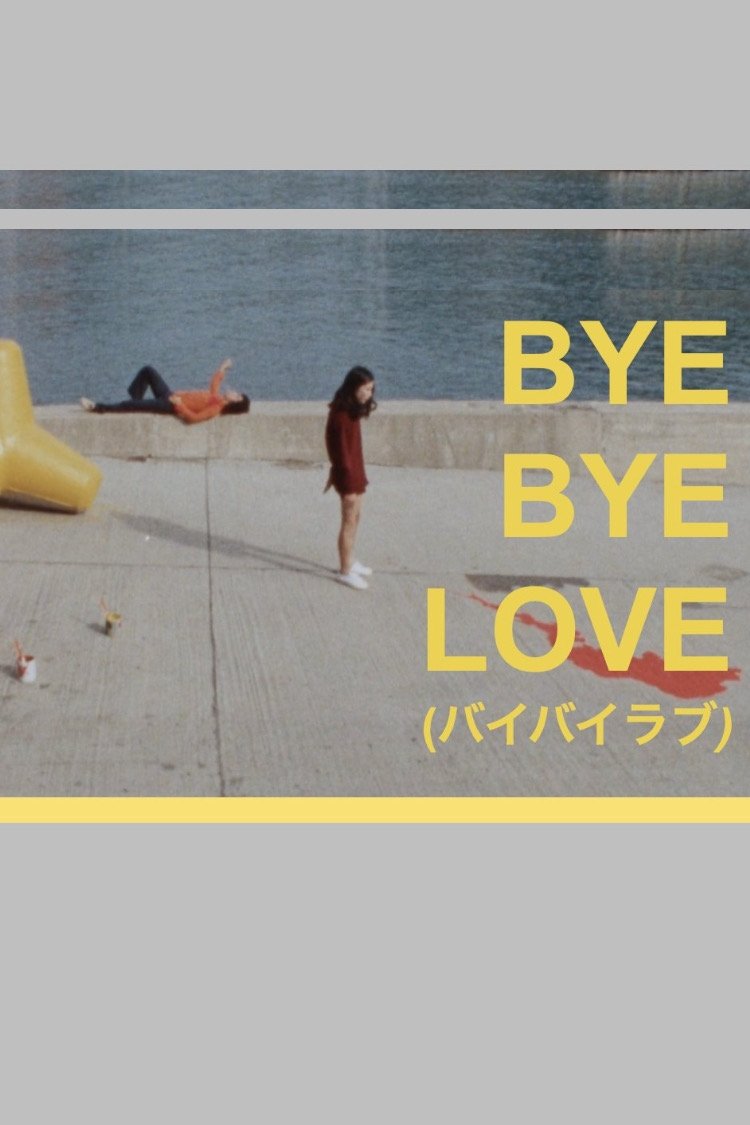
November’s Hallucinations screening is Isao Fujisawa’s lost wonder Bye Bye Love!
Lost and nihilistic drifter Utamaro chances upon Giko, a femme shoplifter who immediately catches his eye. One thing leads to another: the couple soon find themselves on the lam for murder. This provides for a delightful pretext to explore notions of societal malaise, free love and gender fluidity in a rapidly evolving 1970s Japan, as both Utamaro and Giko begin to know each other on the road by way of a variety of surrealistic, psychedelic and frank sexual encounters.
Hosted by Polygon’s editor-in-chief Chris Plante, Hallucinations is a monthly event that spotlights movies that challenge our expectations of story, style, and “good taste”. We invite guests to bond over films that change what we expect from the medium, the world, and themselves. So come early, stay late, make friends, and watch something strange, surprising, or just shamelessly sick.
Read More