It’s as real as the feelings you feel.
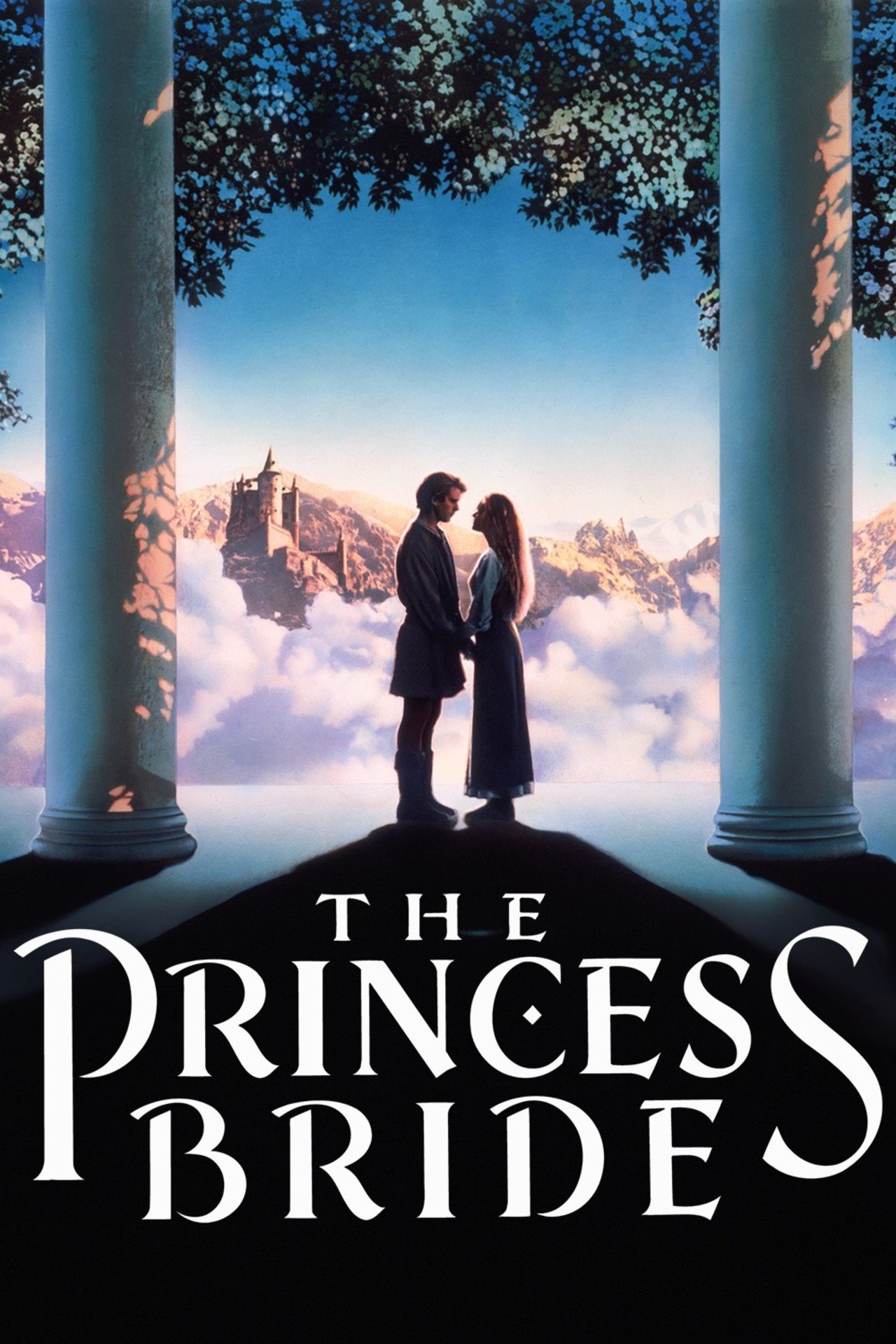
This season, we honor the extraordinary legacy of Rob Reiner with some screenings of one of his most beloved films: the timeless and irresistibly funny fairy-tale adventure The Princess Bride.
When young Buttercup (Robin Wright in a luminous breakout performance) loses her true love Westley (Cary Elwes), she vows never to love again. Until fate, pirates, politics, giants, miracles, and rodents of unusual size intervene, of course. Told through the framing device of a grandfather (Peter Falk) reading a bedtime story to his skeptical grandson (Fred Savage), the film becomes a celebration of imagination itself.
Few filmmakers moved so effortlessly between genres as Rob Reiner. From coming-of-age classics to sharp-edged comedy to pulse-pounding thrillers, his filmography is a tour of American movie magic. But The Princess Bride remains his most universally cherished creation.
Read More
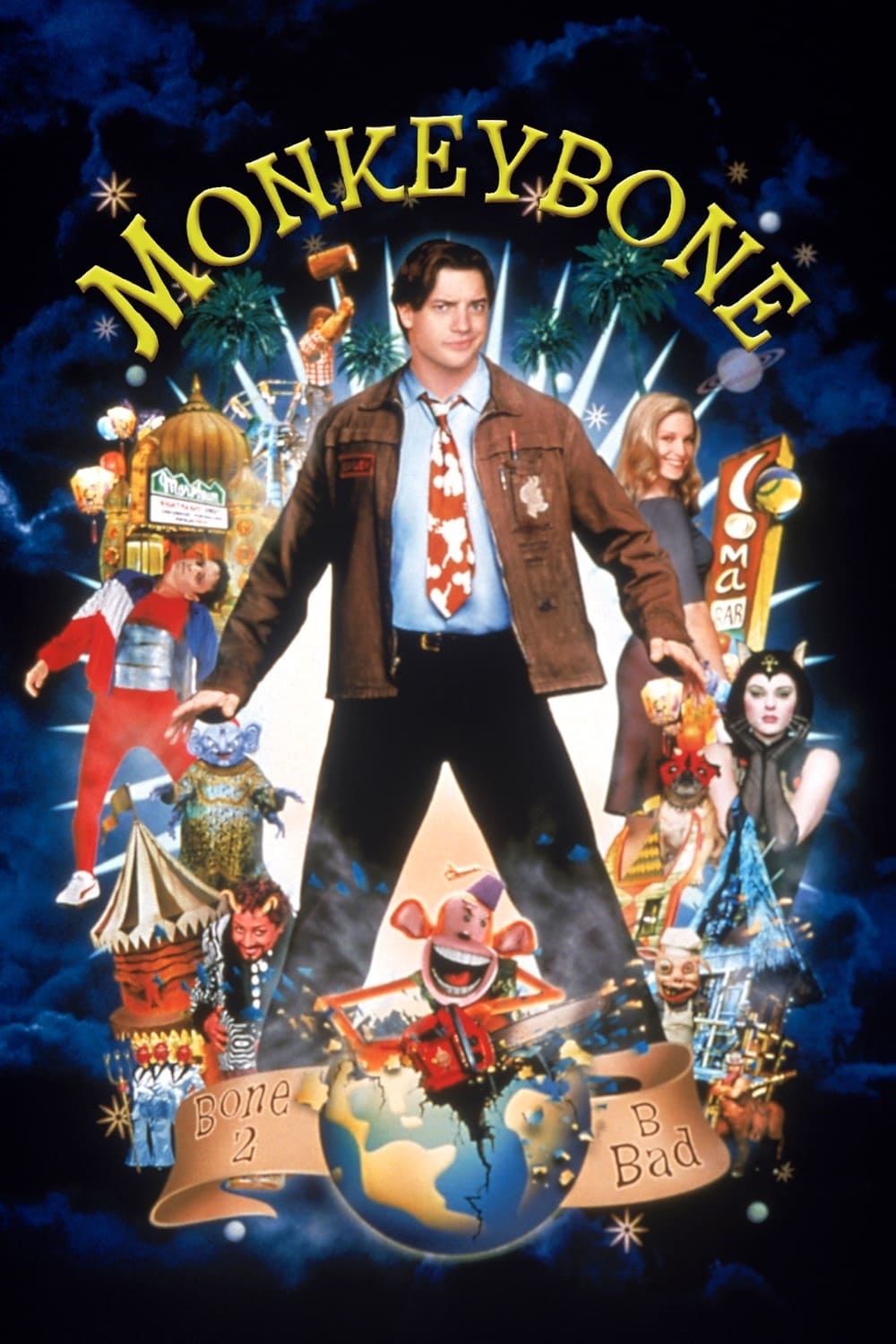
We heard your voices! Or more specifically…we heard one person’s voice that’s been asking us to play Monkeybone every month for the past few years. And now it’s time to celebrate 25 years of Henry Selick’s cult classic!
After a car crash sends repressed cartoonist Stu into a coma, he and the mischievous Monkeybone, his hilarious alter-ego, wake up in a wacked-out waystation for lost souls. When Monkeybone takes over Stu’s body and escapes to wreak havoc on the real world, Stu has to find a way to stop him before his sister pulls the plug on reality forever!
Upon release, Monkeybone was considered a commercial and critical failure. Audiences didn’t know what to make of its surreal blend of live action, stop-motion animation, adult humor, grim fantasy–the list goes on and on. But over time, that same strangeness became its appeal. Fans of “how did a major studio make this?” type of films should be lining up around the block for this one.
Read More
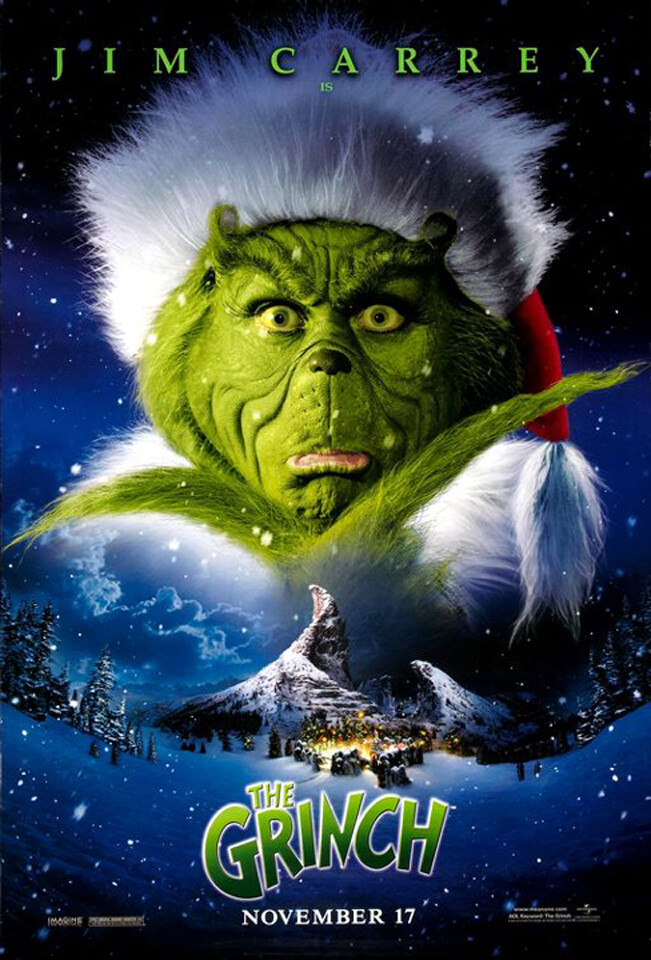
A candy-coated fever dream of holiday excess, Jim Carrey’s How The Grinch Stole Christmas is finally making its way to our screens!
When it hit theaters in 2000, How the Grinch Stole Christmas wasn’t just another family holiday movie — it was a full-blown pop-culture phenomenon. Ron Howard and his crew turned Dr. Seuss’s 1957 classic into a live-action spectacle dripping with turn-of-the-millennium maximalism. Carrey’s Grinch is still one of the great comic performances of the era mixing weird creature effects with a full-blown existential meltdown. It’s the role that cemented him as the only actor unafraid (or unhinged enough) to try to out-Seuss Dr. Seuss.
Two decades later, How the Grinch Stole Christmas remains a strange and wonderful artifact of a bygone blockbuster era: a holiday movie made with the scale of a theme-park ride. It was easy to write off a movie like this at the time, but honestly? I don’t think we realized how good we had it.
Read More
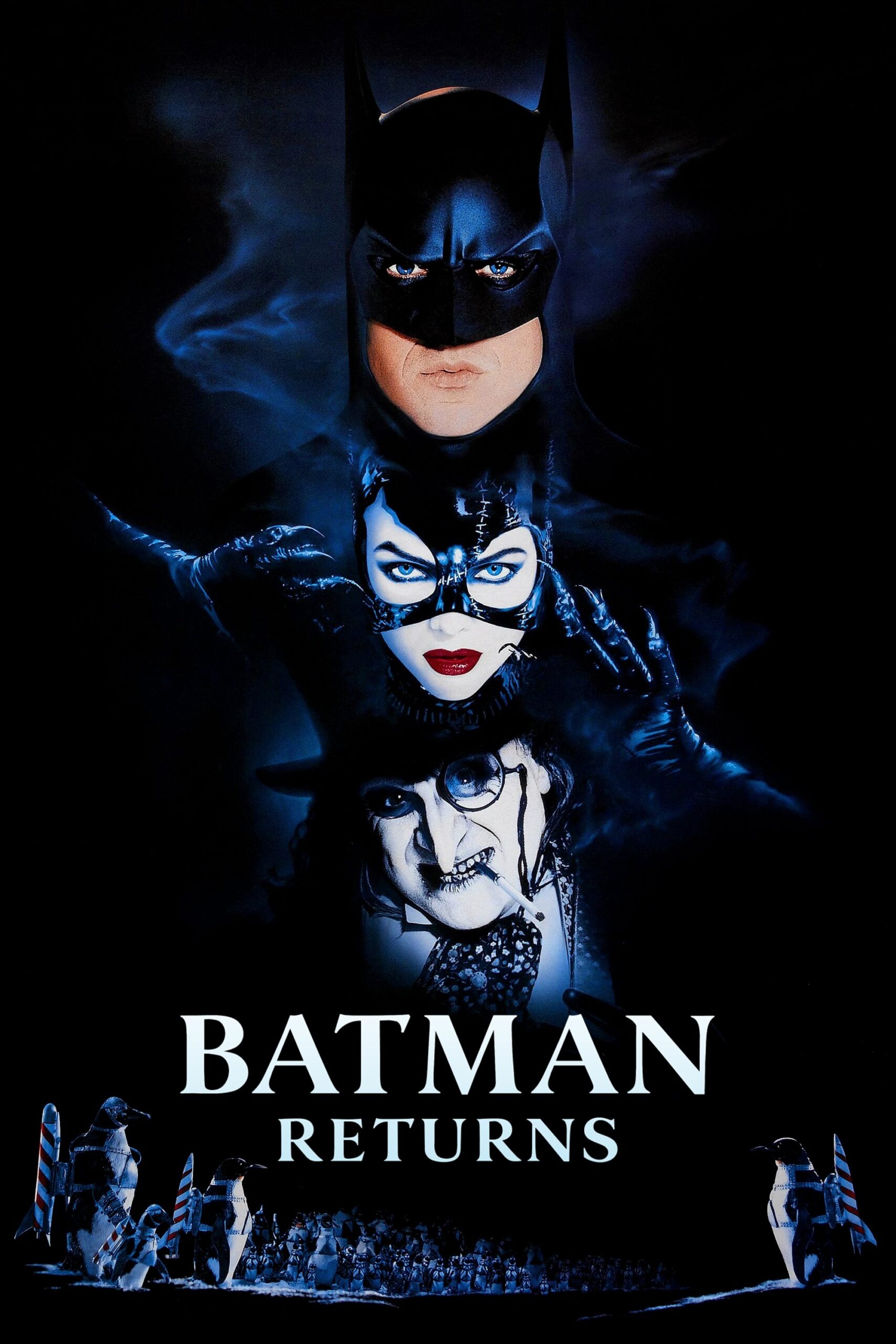
The Father, The Son, and The Holy Spirit? More like The Bat, The Cat, and The Penguin! Tim Burton’s 1992 pop masterpiece Batman Returns is coming back to The Frida Cinema! We believe wholeheartedly that it’s the ultimate Christmas movie, filled to the brim with gothic spectacle and holiday glam.
The monstrous Penguin, who dwells in the sewers beneath Gotham, joins up with corrupt mayoral candidate Max Shreck to topple the Batman once and for all. But when Shreck’s timid assistant Selina Kyle finds out, and Shreck tries to kill her, she’s transformed into the sexy Catwoman. She teams up with the Penguin and Shreck to destroy Batman, but sparks fly unexpectedly when she confronts the caped crusader.
With an all-star cast of Michael Keaton, Danny DeVito, Christopher Walken, and in incomparable Michelle Pfeiffer, Burton took the success of Batman (1989), and doubled down in the best way possible, creating the template that every sequel should strive for.
Read More
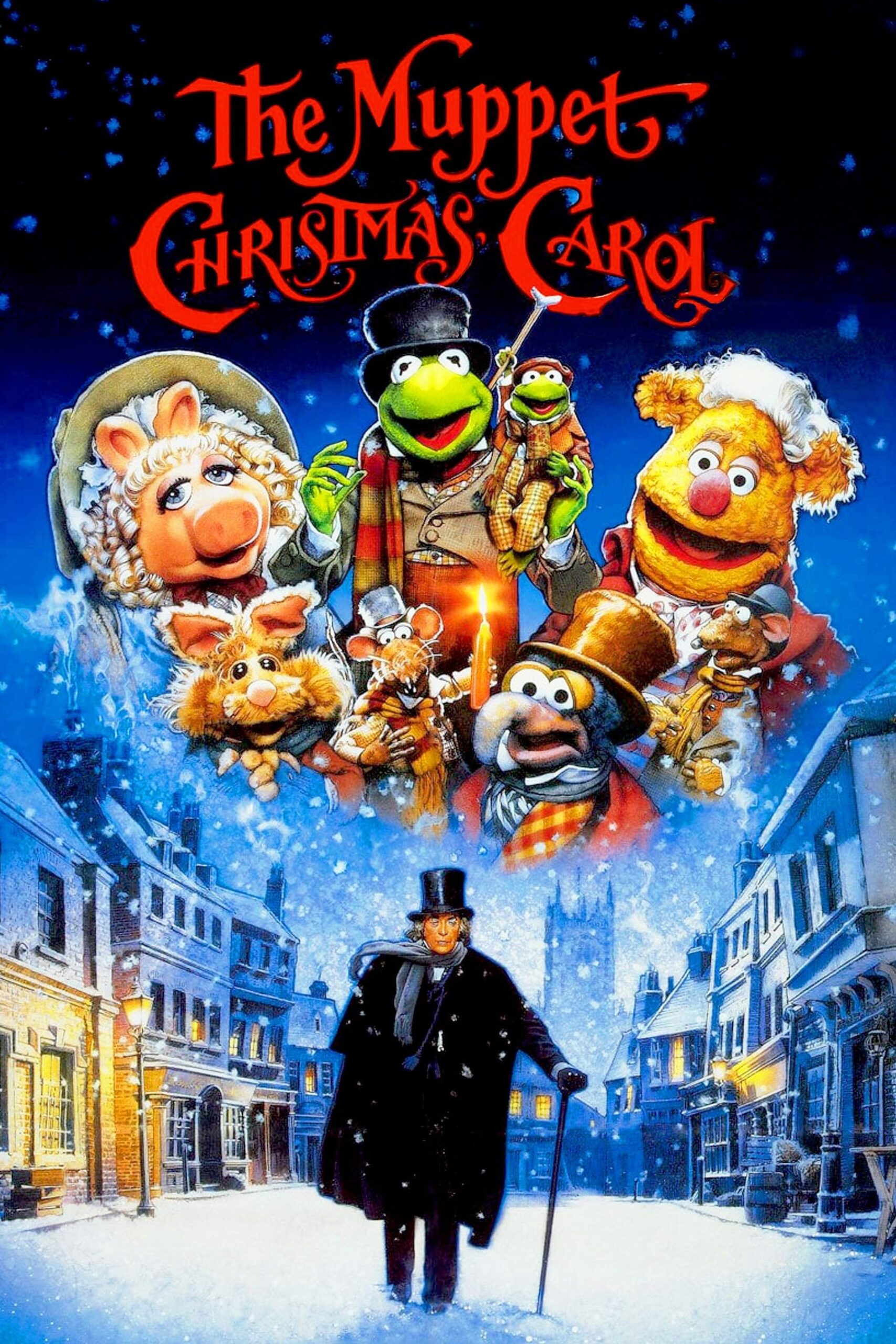
Join Kermit, Miss Piggy, Gonzo, and the entire Muppet gang as we screen some special encores of The Muppet Christmas Carol!
Charles Dickens’ classic story gets the Muppet treatment as Ebenezer Scrooge (an extremely committed Michael Caine), a cold-hearted miser, is visited on Christmas Eve by the Ghosts of Christmas Past, Present, and Yet to Come. With help from Kermit’s Bob Cratchit, Miss Piggy’s Emily Cratchit, and a chorus of singing, joke-cracking Muppets, Scrooge is shown the impact of his greed — and given one last chance to open his heart and embrace the spirit of Christmas.
A little bit of Muppet mayhem is exactly what every holiday season needs. Don’t miss your chance to see this one on the big screen!
Read More
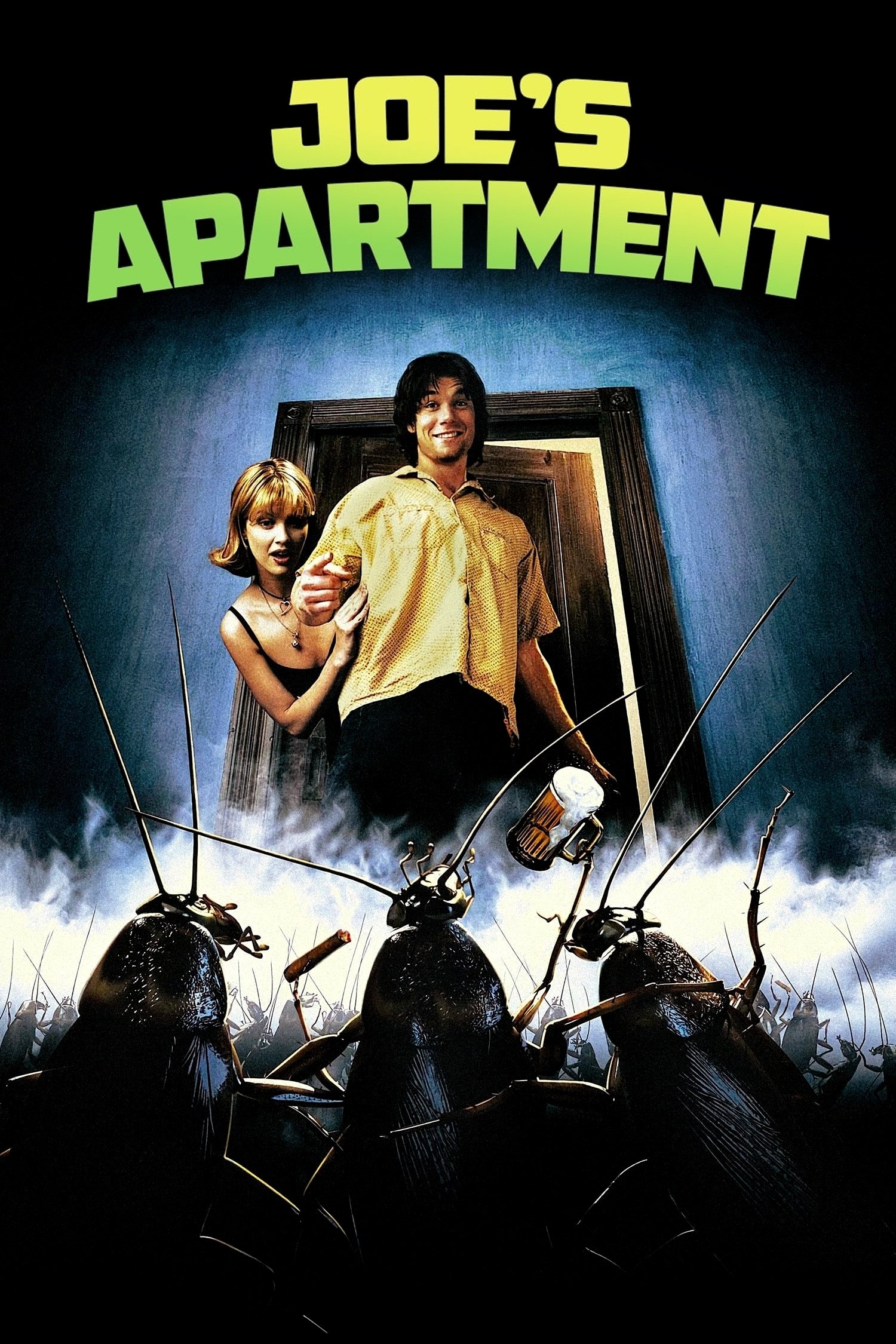
Sex, bugs, and rock n’ roll! Our final In Defense Of…pick from 2026 comes courtesy of our Director Of Memberships, Bobby, as he’s chosen the 1996 cult comedy Joe’s Apartment!
Entirely a product of MTV’s weirdo golden age, Joe’s Apartment follows a fresh-faced transplant to New York who moves into the only place he can afford — a rundown East Village unit already occupied by an army of wisecracking, singing, dancing cockroaches.
Jerry O’Connell plays the perpetually overwhelmed Joe, whose attempts to survive city life quickly collapse under the chaos of his new six-legged roommates. With its mix of practical puppetry and anarchic cartoon energy, the film has become a cult favorite for anyone nostalgic for the heyday of midnight movies and VHS oddities.
About In Defense Of…: Who says critics and audiences get it right every time!? Revisit some of cinema’s most polarizing films, selected and presented by members of our staff!
Read More
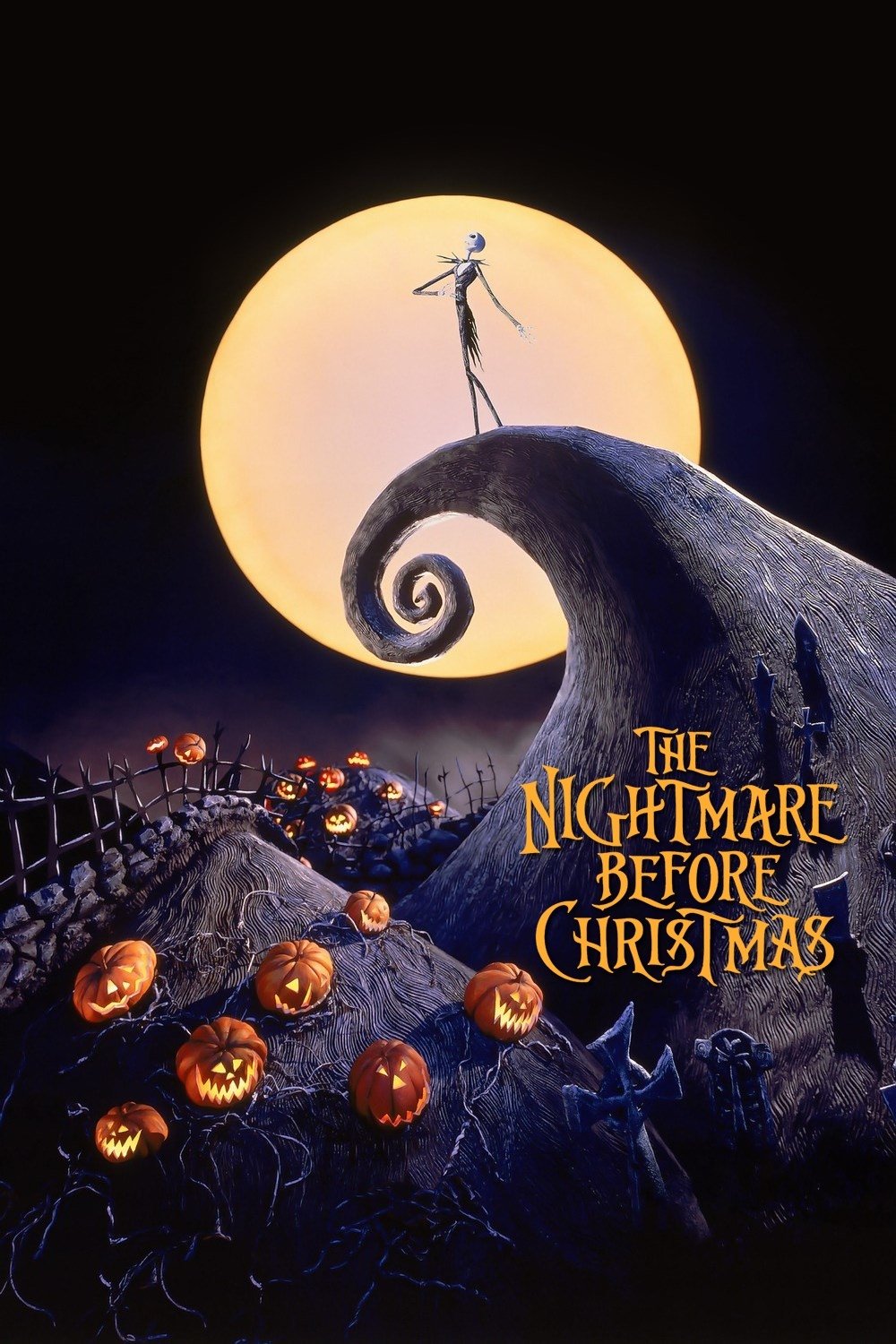
What’s this? What’s this? The Nightmare Before Christmas, a true modern animated movie classic returns to the big screen at The Frida Cinema as part of our Volunteer Of The Month series! Everybody say thank you to Keenan!
Tired of scaring humans every October 31 with the same old bag of tricks, Jack Skellington, the spindly king of Halloween Town, kidnaps Santa Claus and plans to deliver shrunken heads and other ghoulish gifts to children on Christmas morning. But as Christmas approaches, Jack’s rag-doll girlfriend, Sally, tries to foil his misguided plans.
Tim Burton and Henry Selick’s blend of stop-motion world-building and unforgettable music is holiday film unlike any other. Bring your family and friends and step into a world where Halloween meets Christmas in the most delicious way.
Read More
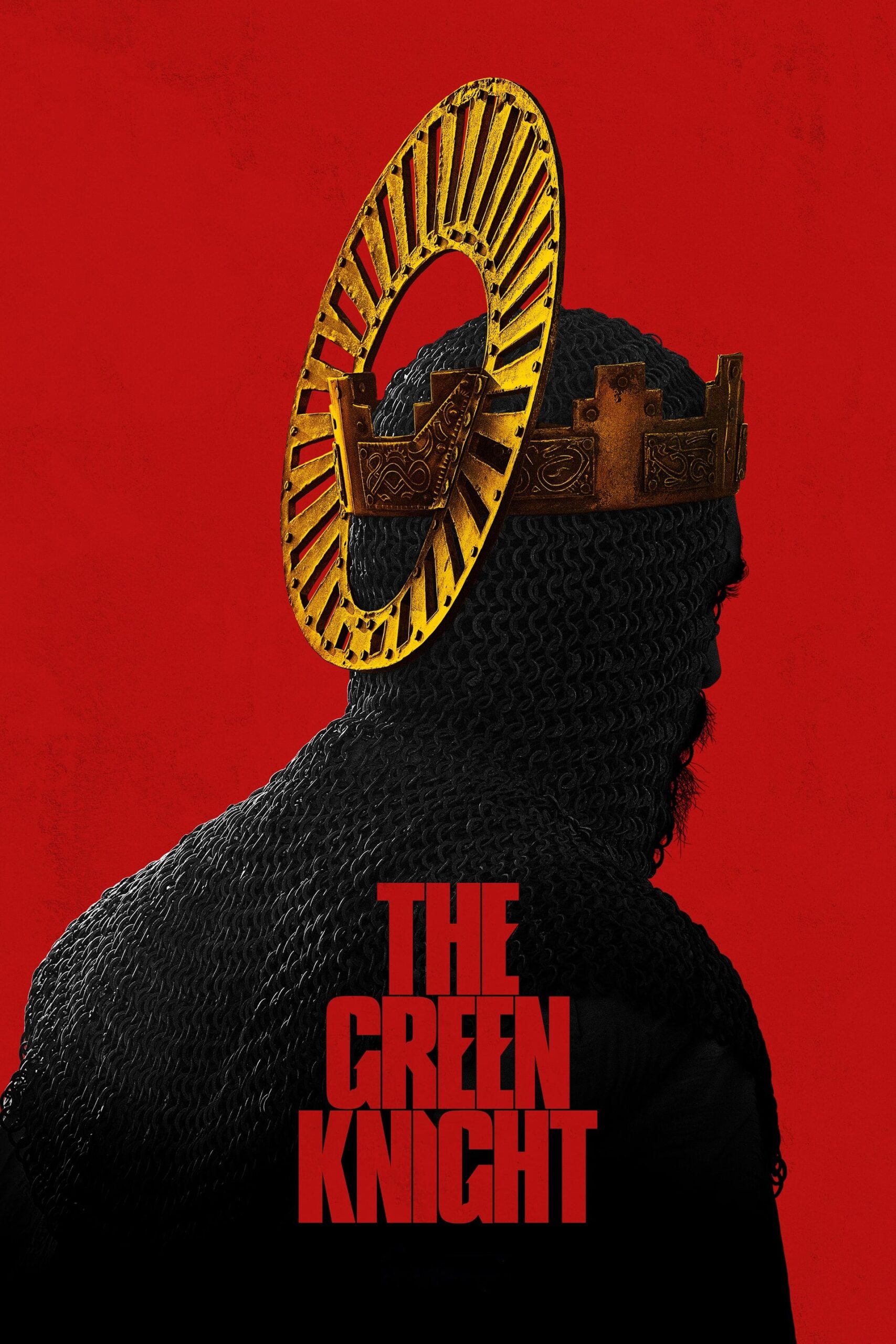
David Lowery’s The Green Knight is coming back to The Frida Cinema just in time for a special Christmas season screening! And as an added bonus, we are excited to announce we’ll be doing a post-screening Q&A with Production Designer Jade Healy!
Dev Patel stars as Sir Gawain, a would-be knight whose perilous quest leads him through a landscape of ghosts, giants, and everything in-between. On Christmas Day, a mysterious giant figure–the Green Knight, half man and half tree — rides into Camelot and challenges any knight to strike him with his axe, on the condition that the Green Knight may return the same blow one year later. Seeking to prove his worth, Gawain steps forward to stand up to the task. The rest, they say, is the stuff of Arthurian legend.
Depicted with painterly precision, The Green Knight crafts a medieval world that feels both ancient and alive. The mud, candlelight, snow, and shadows will remain stuck in our brains forever and is a definitive entry into the new Christmas cult canon.
Read More
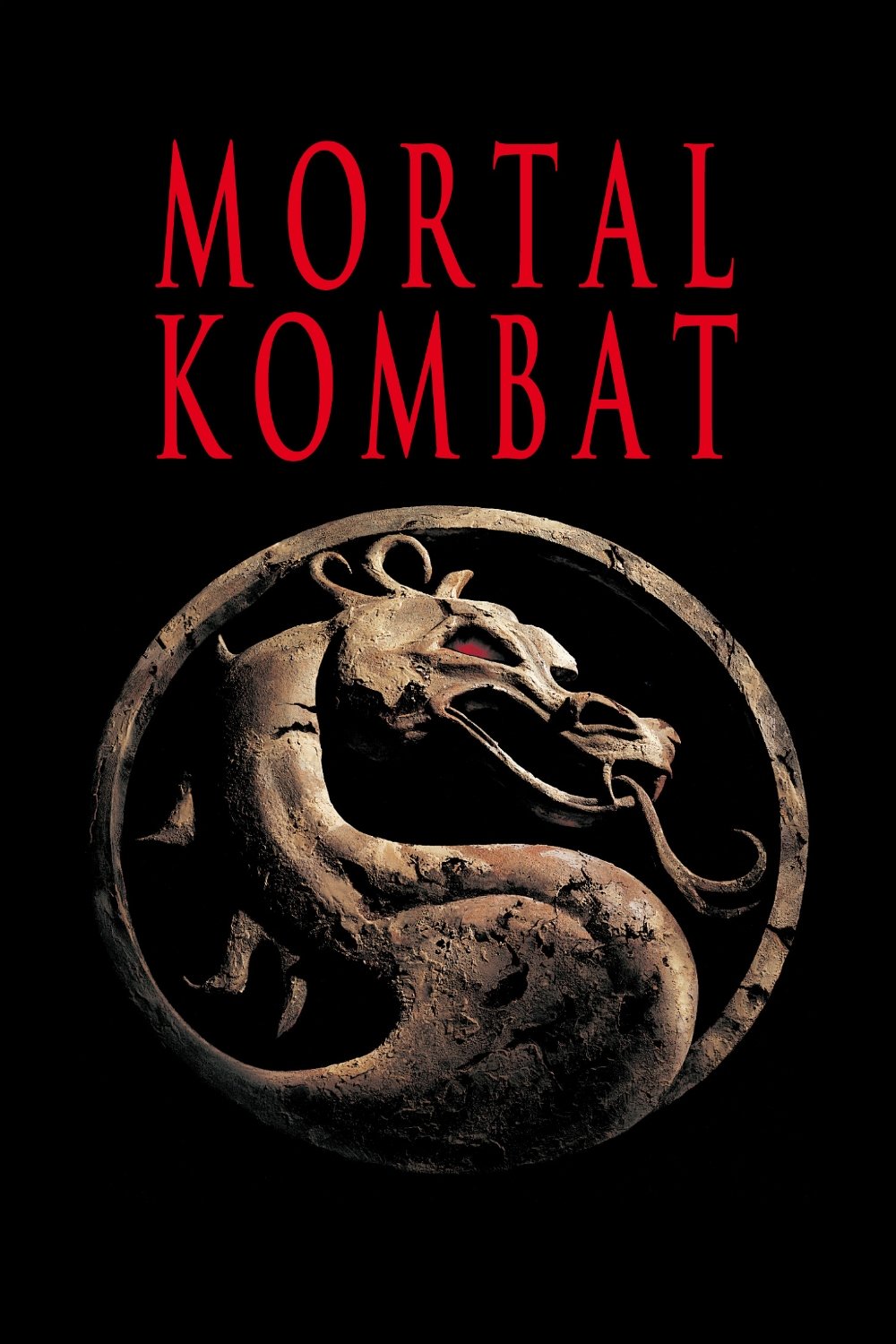
Our friends at Post Games are joining us to present a screening of Paul W.S. Anderson’s action-packed Mortal Kombat, now celebrating 30 years since its initial release! Make sure you arrive early for a Mortal Kombat-style preshow featuring footage and commercials that throwback to that gleefully chaotic time in 1990s video game adaption cinema. And the merchandising…oh the merchandising….
For nine generations an evil sorcerer has been victorious in hand-to-hand battle against his mortal enemies. If he wins a tenth Mortal Kombat tournament, desolation and evil will reign over the multiverse forever. To save Earth, three warriors must overcome seemingly insurmountable odds, their own inner demons, and superhuman foes.
Forged from pixels and pulp, Mortal Kombat channels the mythic fervor of kung-fu epics into a realm that hadn’t been seen prior on the big screen. The iconic techno anthem is worth the price of admission alone! Don’t miss your chance to see this bad boy on the big screen!
Post Games is a video game podcast about how and why we love video games. Each week, host Chris Plante and a guest expert answer a big question. Ever wondered why NSFW games are all over Steam? Or if an RPG could make you less afraid of death? And what sort of person falls in love with a video game character? Listen for free on your favorite podcast app!
Read More
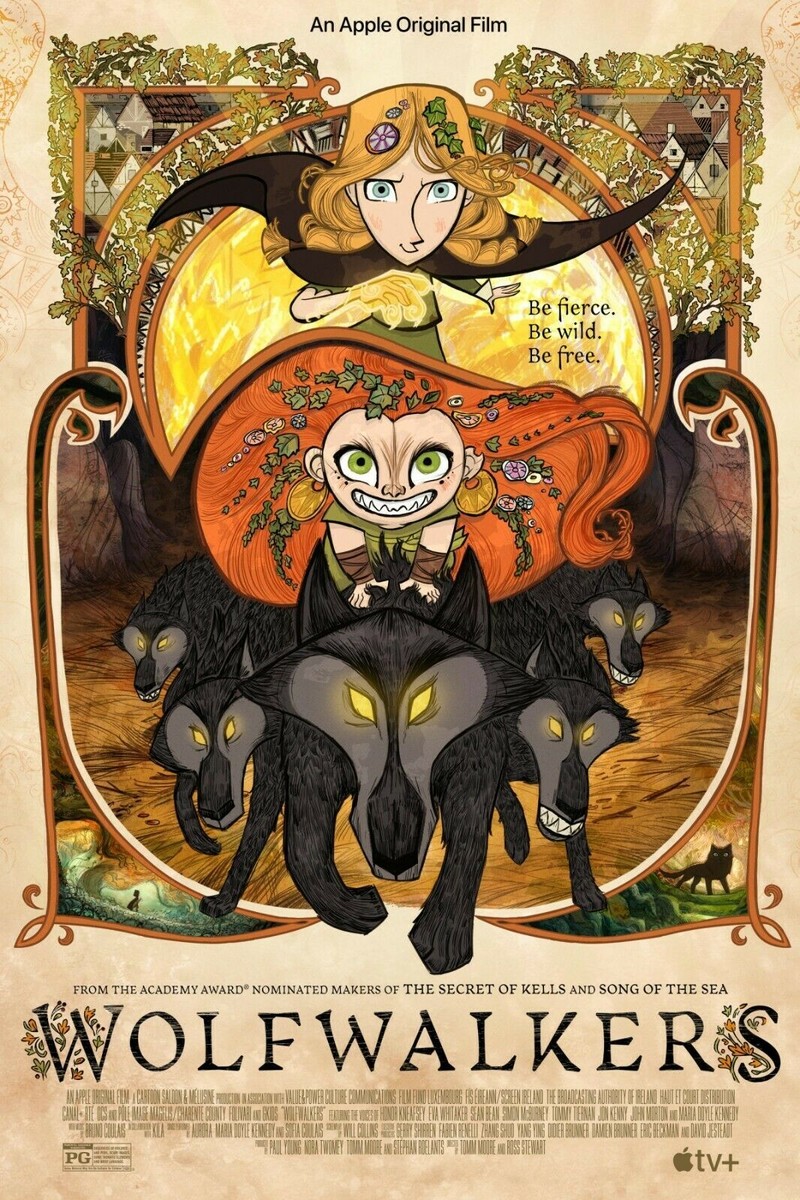
Wolfwalkers played at our pop-up drive-in in 2020, but now with our Lost Films Of Covid series, we can bring it to you on the big screen!
In a time of superstition and magic, when wolves are seen as demonic and nature an evil to be tamed, a young apprentice hunter comes to Ireland with her father to wipe out the last pack. But when she saves a wild native girl, their friendship leads her to discover the world of the Wolfwalkers and transform her into the very thing her father is tasked to destroy.
Told with exuberant motion and striking watercolor design, Wolfwalkers is both a thrilling adventure and a heartfelt allegory about empathy and freedom. Don’t miss a chance to see this beautifully animated film on the big screen!
Thank you to our friends at Filmbot for their support in presenting this amazing series.
Read More