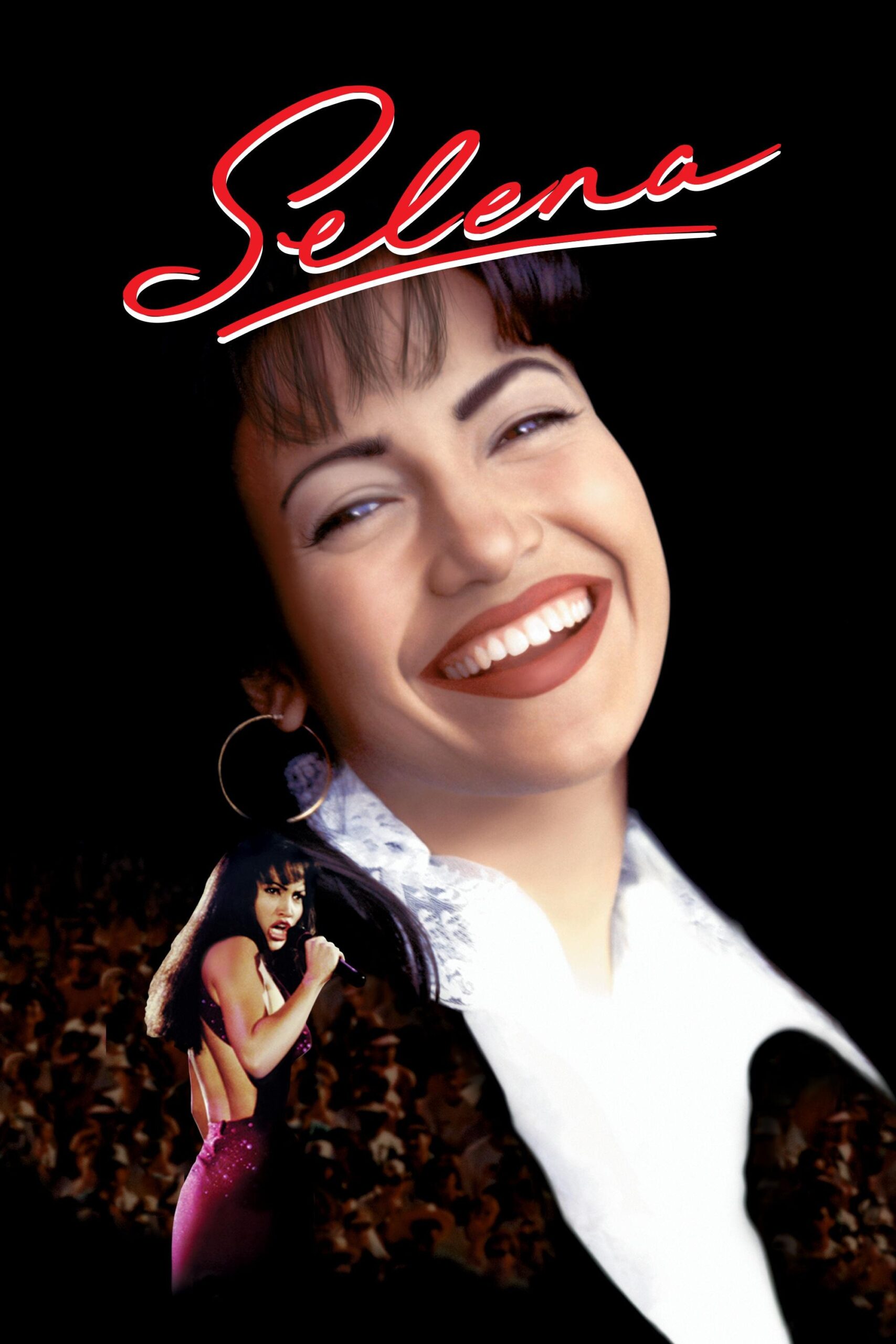
Just added: our friend Valeria Metz is hosting an ultra-special screening of Selena on the Queen of Tejano Music’s Birthday, April 16th! There will be hair braiding by Ponte Your Monos, pins by Totimontillo, and a live DJ set from DJ Mar! All vendor proceeds will be donated to Lucha Costa Mesa!
Discover the true story of one of America’s brightest stars…that faded too soon.
Celebrate the life and legacy of Selena Quintanilla-Pérez with a special birthday weekend presentation of the biographical drama Selena from 1997.
Starring Jennifer Lopez in her breakthrough role, the film traces Selena’s rise from performing at family gatherings in Texas to becoming the “Queen of Tejano Music.” Guided by her devoted family, she navigates fame, love, and ambition while breaking barriers and bringing her music to a wider audience.
A heartfelt tribute to a beloved icon, Selena captures the enduring spirit of an artist whose impact continues to resonate far beyond her years.
Read More
The passion, the violence, the birth of America’s Gilded Age.
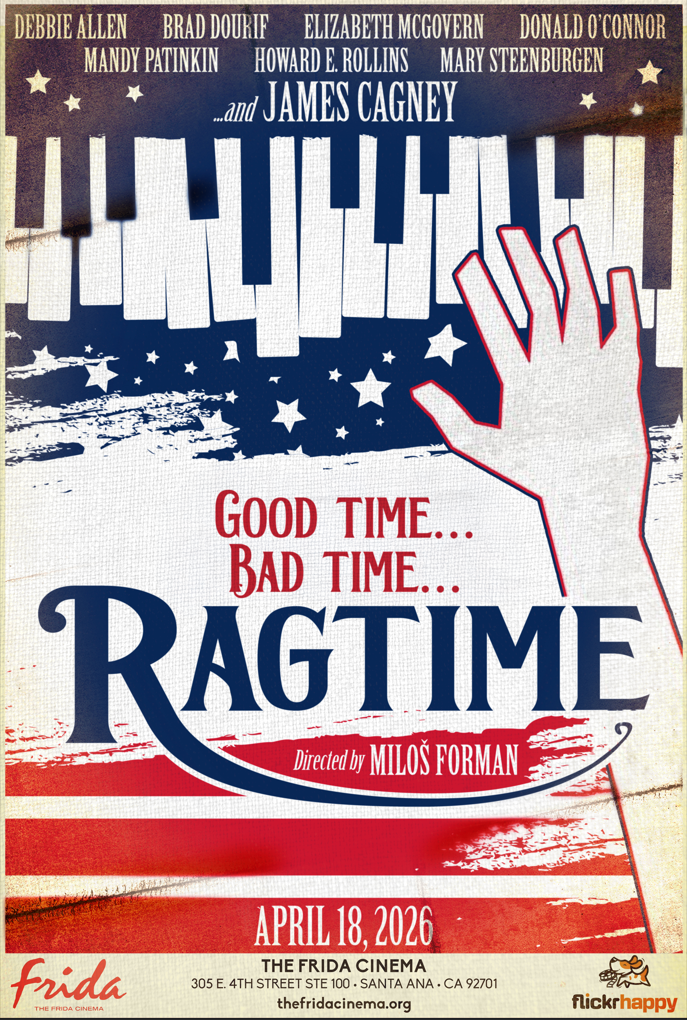
Flickrhappy is back at The Frida Cinema, bringing with them a restoration of Milos Forman’s 1981 rarely-screened epic Ragtime!
America at the dawn of the 20th century bursts to life in this sweeping, ambitious adaptation of E. L. Doctorow’s celebrated novel. Set in a nation electrified by upheaval, Ragtime weaves together the lives of dreamers and revolutionaries as their stories collide in a rapidly changing New York. A proud Black pianist seeks justice after an act of racist cruelty. A glamorous chorus girl becomes the center of a national scandal. Historical figures – including magician Harry Houdini, activist Emma Goldman, and tycoon J. P. Morgan – drift through a world where wealth and poverty sit side by side, and where the promise of America feels both intoxicating and fragile.
Featuring a remarkable ensemble cast,including screen legend James Cagney in his final film performance, Ragtime is a powerful tapestry of music and hope.
This program is a venue rental engagement. The views and opinions expressed in this program do not necessarily reflect the views or positions of The Frida Cinema or its staff. Flickrhappy is allowing Frida Cinema members to use their regular discounts to this event!
Read More
Just added: representatives from the Palestinian Youth Movement will be joining us for a post-screening chat after the 3:30PM screening on Friday, April 24th!
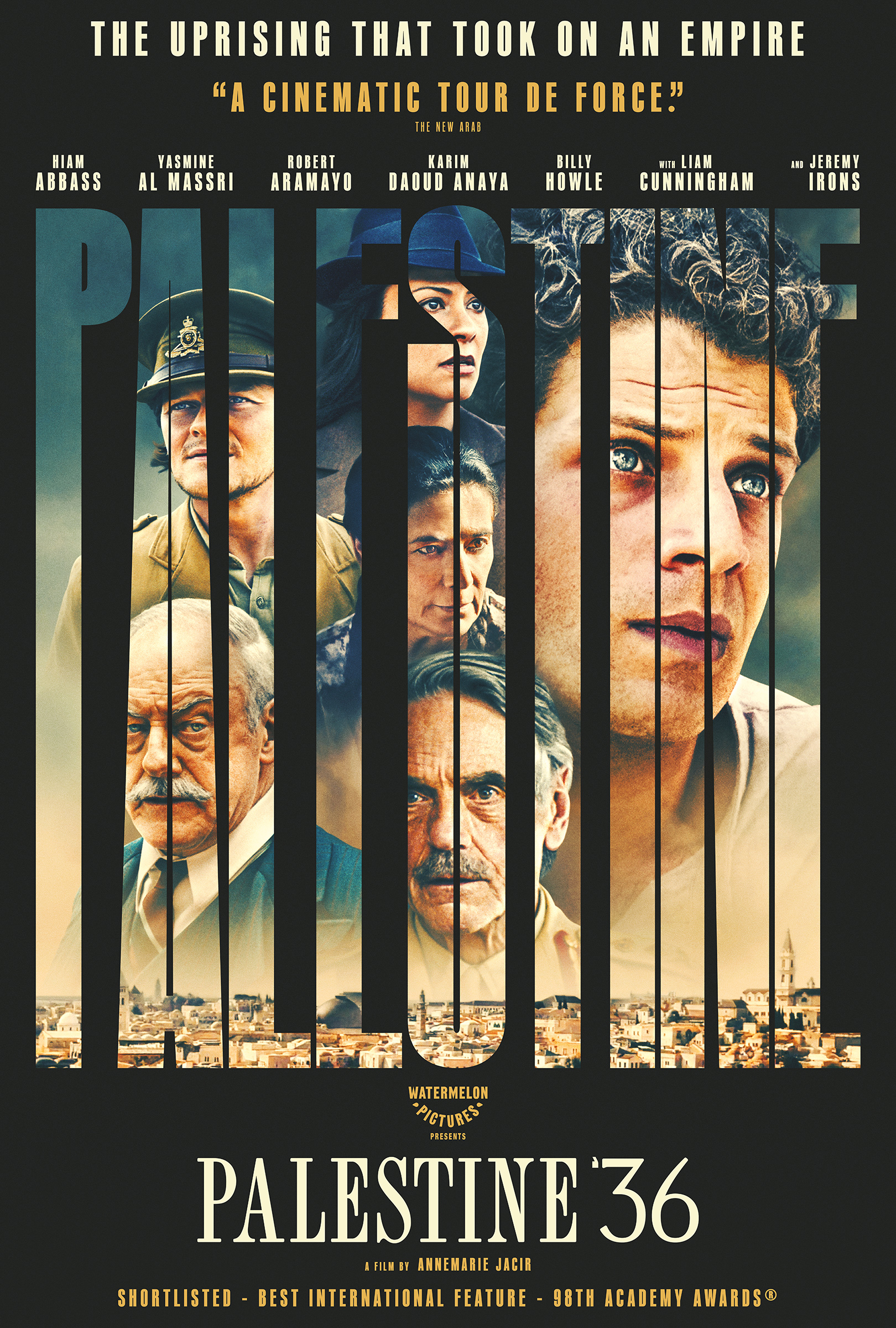
Watermelon Pictures is proud to present Palestine 36, their new humanist cinematic tour de force!
1936. As villages across Mandatory Palestine rise against British colonial rule, Yusuf drifts between his rural home and the restless energy of Jerusalem, longing for a future beyond the growing unrest. But history is relentless. With rising numbers of Jewish immigrants escaping antisemitism in Europe, and the Palestinian population uniting in the largest and longest uprising against Britain’s 30-year dominion, all sides spiral towards inevitable collision in a decisive moment for the British Empire and the future of the entire region.
One of the year’s most lauded and highly anticipated films, Palestine 36 has received universal audience and critical acclaim in its festival rollout, including a record-setting 23 minute standing ovation at TIFF, and a win for Best Film at The Tokyo International Film Festival, while holding a rating of 100% Fresh on Rotten Tomatoes.
Read More
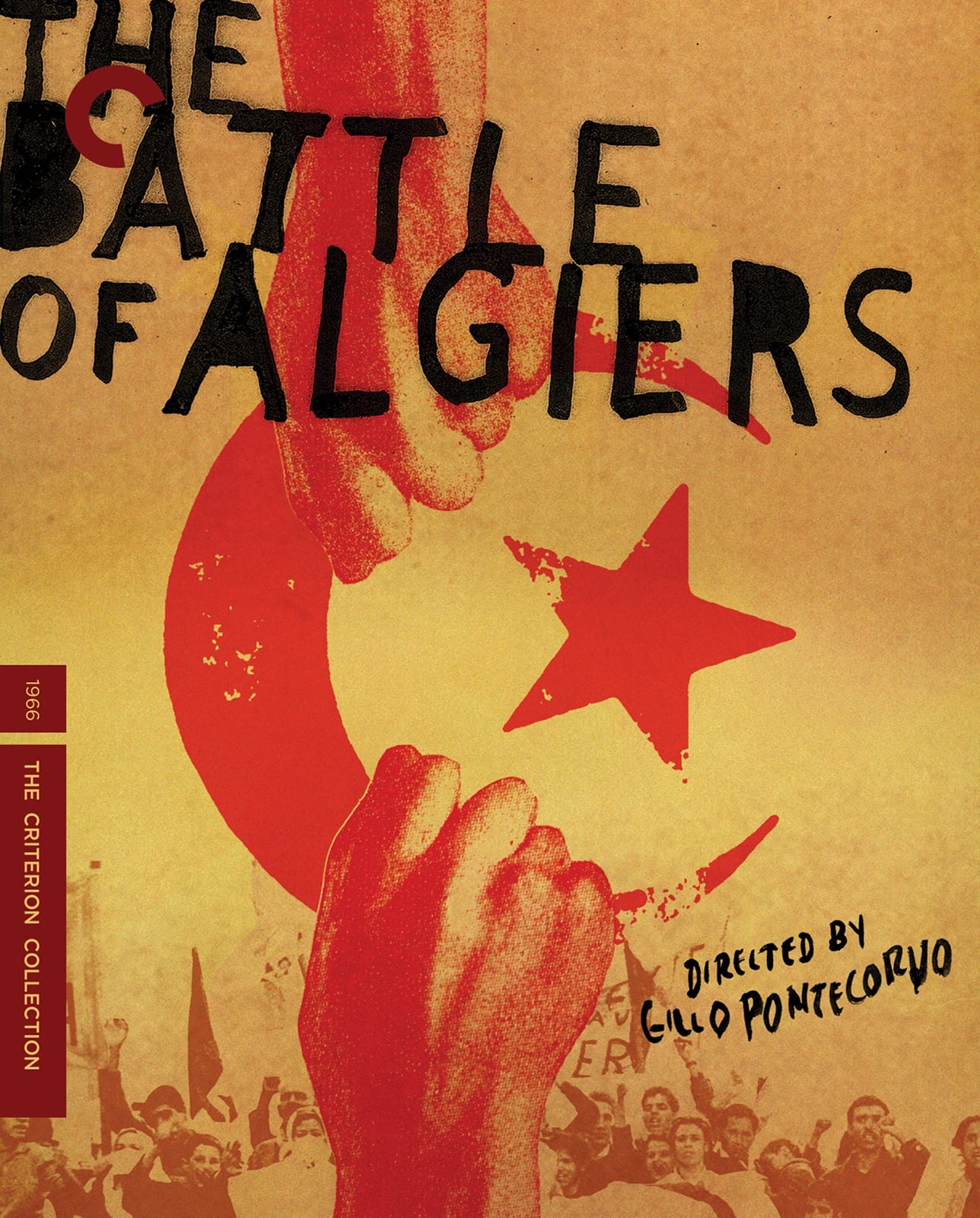
We are celebrating the 60th anniversary of one of the most influential political films in history, The Battle of Algiers, with a Film Club Members Only screening!
The film vividly re-creates a key year in the tumultuous Algerian struggle for independence from the occupying French in the 1950s. As violence escalates on both sides, children shoot soldiers at point-blank range, women plant bombs in cafés, and French soldiers resort to torture to break the will of the insurgents.
Shot on the streets of Algiers in documentary style, the film is a case study in modern warfare, with its terrorist attacks and the brutal techniques used to combat them. Pontecorvo’s tour de force has astonishing relevance today.
We are inviting Film Club Members to bring a Plus One to this screening! Make sure to RSVP for your guest as well!
Not a Frida Cinema Film Club Member yet? Sign up here!
Read More
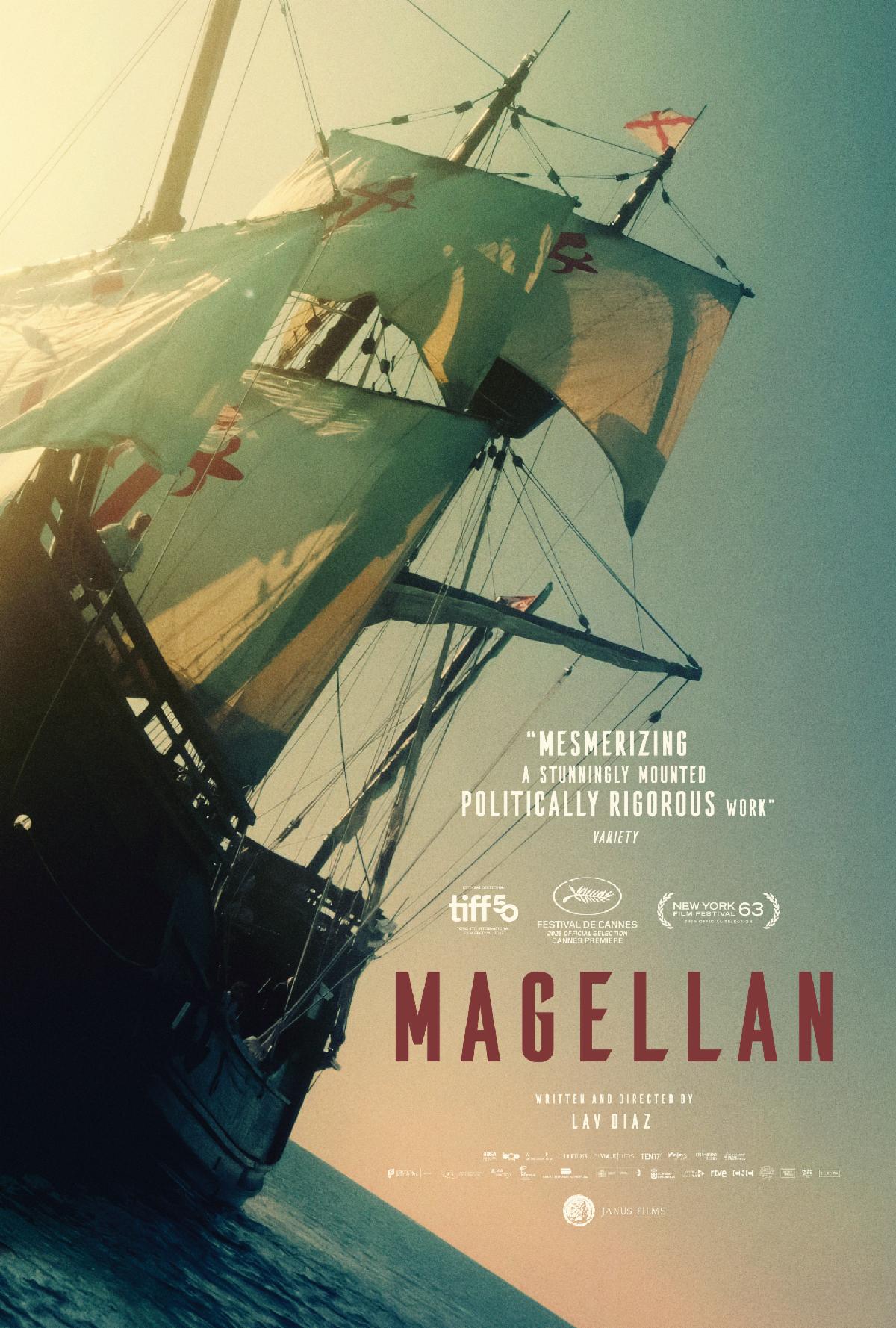
We’ve been waiting to give you the good news for months: legendary director Lav Diaz’s new film, Magellan, is finally sailing on over to The Frida Cinema!
At the dawn of the modern era, Portuguese explorer Ferdinand Magellan (Gael García Bernal) navigated a fleet of ships to Southeast Asia, attempting the first voyage across the vast Pacific Ocean. On reaching the Malay Archipelago, the crew pushed to the brink of madness in the harshness of the high seas and overwhelming natural beauty of the islands, Magellan’s obsession leads to a rebellion and reckoning with the consequences of power.
A vast, globe-spanning epic from Filipino filmmaker Lav Diaz (Norte, The End Of History), Magellan presents the colonization of the Philippines as a primal, shocking encounter with the unknown and a radical retelling of European narratives of discovery and exploration.
Read More
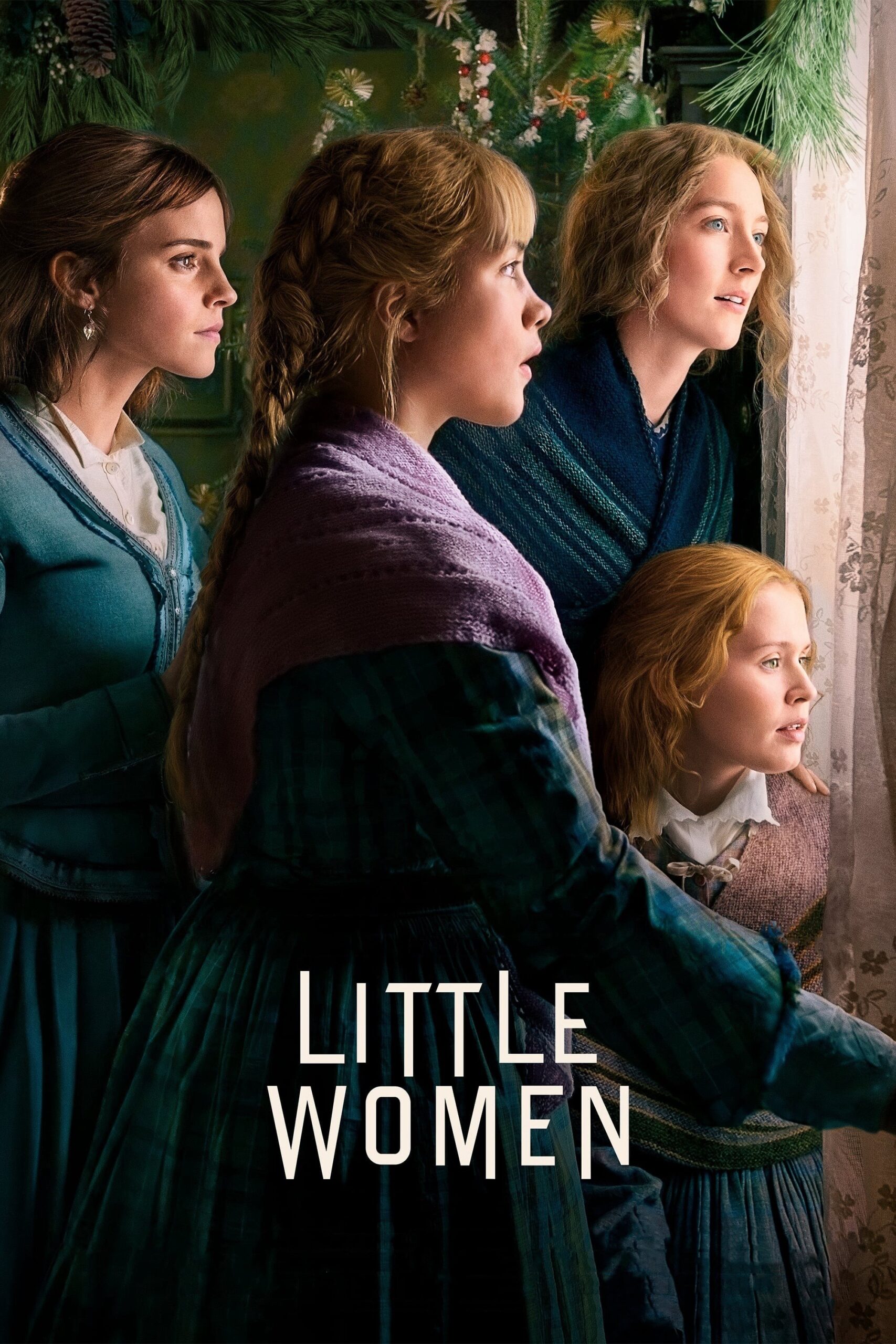
Celebrate this holiday season with Greta Gerwig’s joyful, heart-full adaptation of Little Women from 2019. Starring an A+ cast of Saoirse Ronan, Florenge Pugh, Emma Watson, Eliza Scanlen, Laura Dern, and Timothee Chalamet, it’s the perfect seasonal escape on the big screen.
The film follows the four March sisters—Jo, Meg, Amy, and Beth—as they navigate love and heartbreak in Civil War–era New England. Told across intertwined timelines, the film traces their journey from spirited girlhood to adulthood as they fight to define their own futures.
Bring your friends, bring your family, and ring in the holidays with a film that celebrates sisterhood and the power of following your own path. Little Women has been adapted many times, but Gerwig’s version is the best interpretation yet, and might just be her magnum opus as director.
Read More
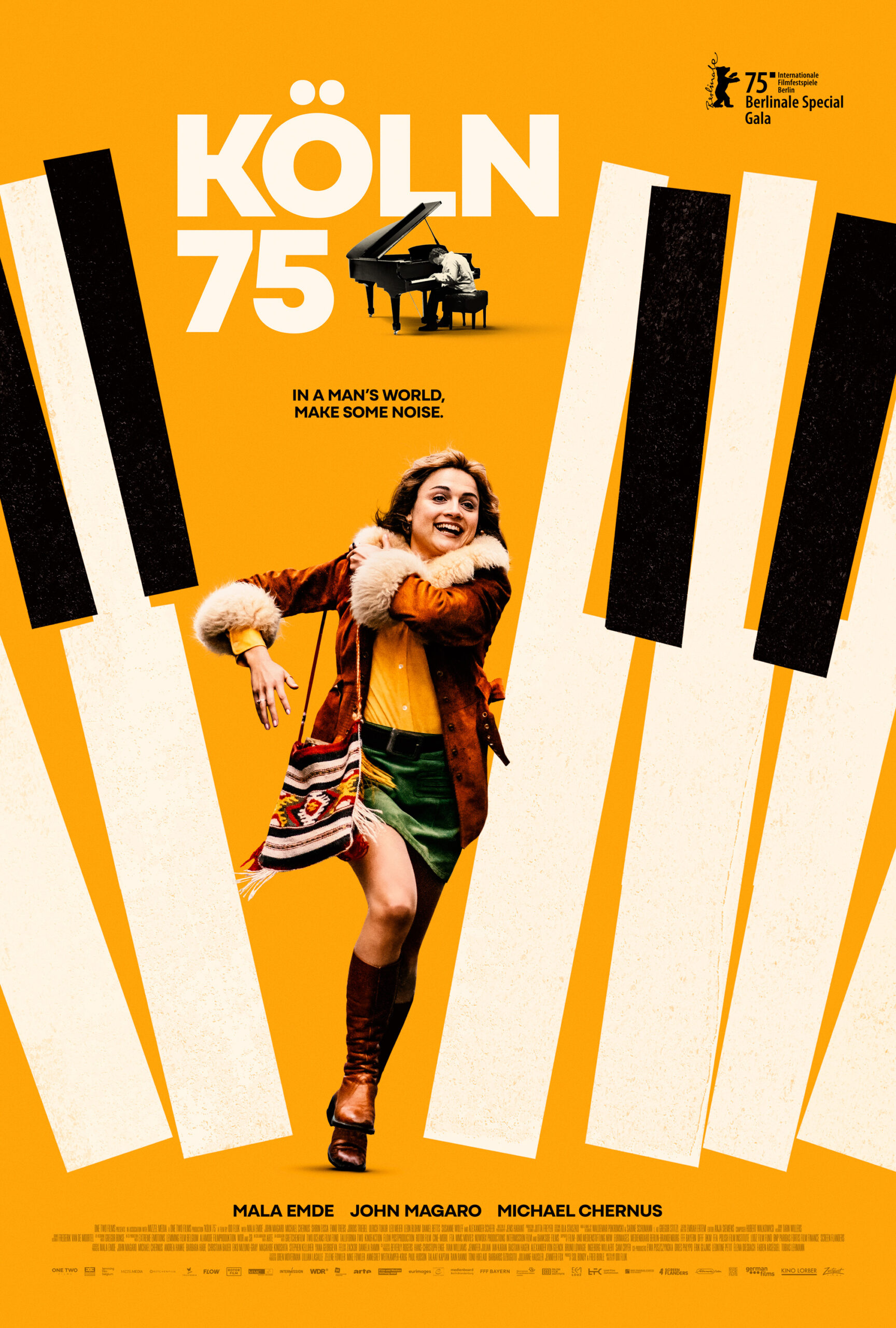
Winner of the Audience Award at the 2025 Newport Beach Film Festival, director Ido Fluk’s new film Köln 75 is coming to The Frida Cinema!
The story tells the tale of the best-selling jazz records of all time, Keith Jarrett’s 1975 Köln Concert, how it almost didn’t happen, and how one formidable German teenager, Vera Brandes, breaks every boundary to set the conditions for the creation of a masterpiece. Vera, still in high school when she started producing and promoting music concerts in Cologne, puts everything on the line to put on this show. But Vera believes in the power of music, and she’s never seen anyone play like Keith Jarrett before.
Joining us for introduction before the film will be Ivan Williams, who served as an Co-Executive Producer on Köln 75! Don’t miss your chance to see this award-winning crowdpleaser on the big screen!
Read More
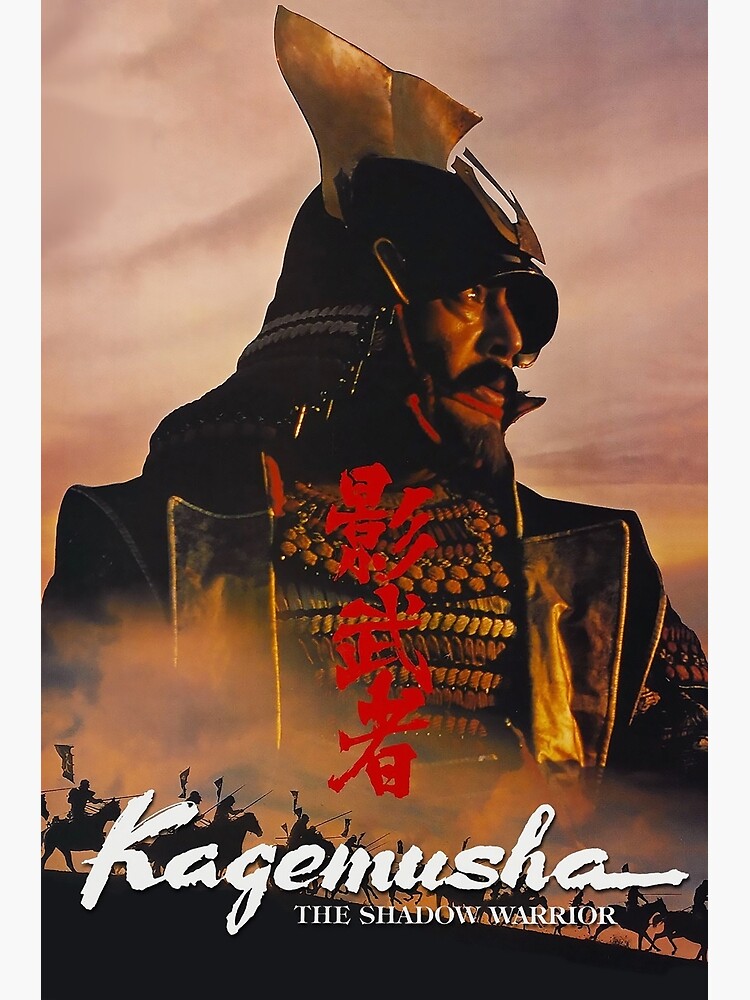
Akira Kurosawa’s Palme d’Or-winning feudal epic, Kagemusha, is screening for the first time ever at The Frida Cinema.
It’s the tale of a petty thief who is recruited to impersonate Shingen, an aging warlord, in order to avoid attacks by competing clans. When Shingen dies, his generals reluctantly agree to have the impostor take over as the powerful ruler. He soon begins to appreciate life as Shingen, but his commitment to the role is tested when he must lead his troops into battle against the forces of a rival warlord.
Don’t miss this rarely-screened gem on the big screen!
Read More
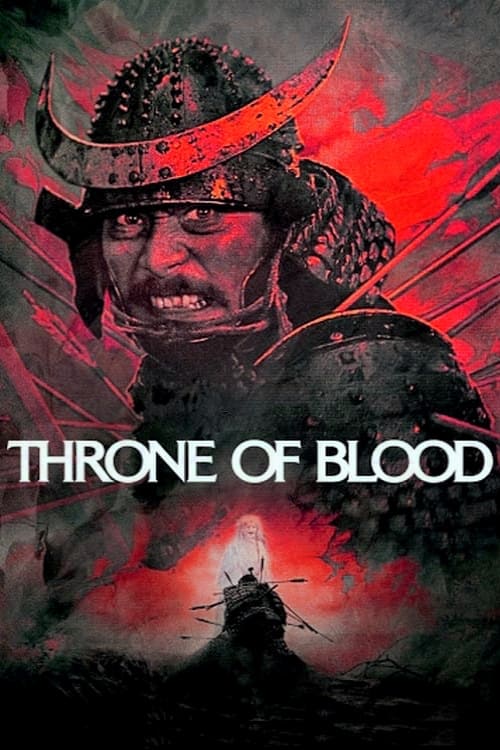
Janus Films has bestowed upon us a brand new 4K restoration of Throne Of Blood, the vivid, visceral Macbeth adaptation directed by Akira Kurosawa that can’t be missed on the big screen!
Kurosawa sets Shakespeare’s definitive tale of ambition and duplicity in a ghostly, fog-enshrouded landscape in feudal Japan. As a hardened warrior who rises savagely to power, Toshiro Mifune gives a remarkable, animalistic performance, as does Isuzu Yamada as his ruthless wife. Throne of Blood fuses classical Western tragedy with formal elements taken from Noh theater to create an unforgettable cinematic experience.
Read More
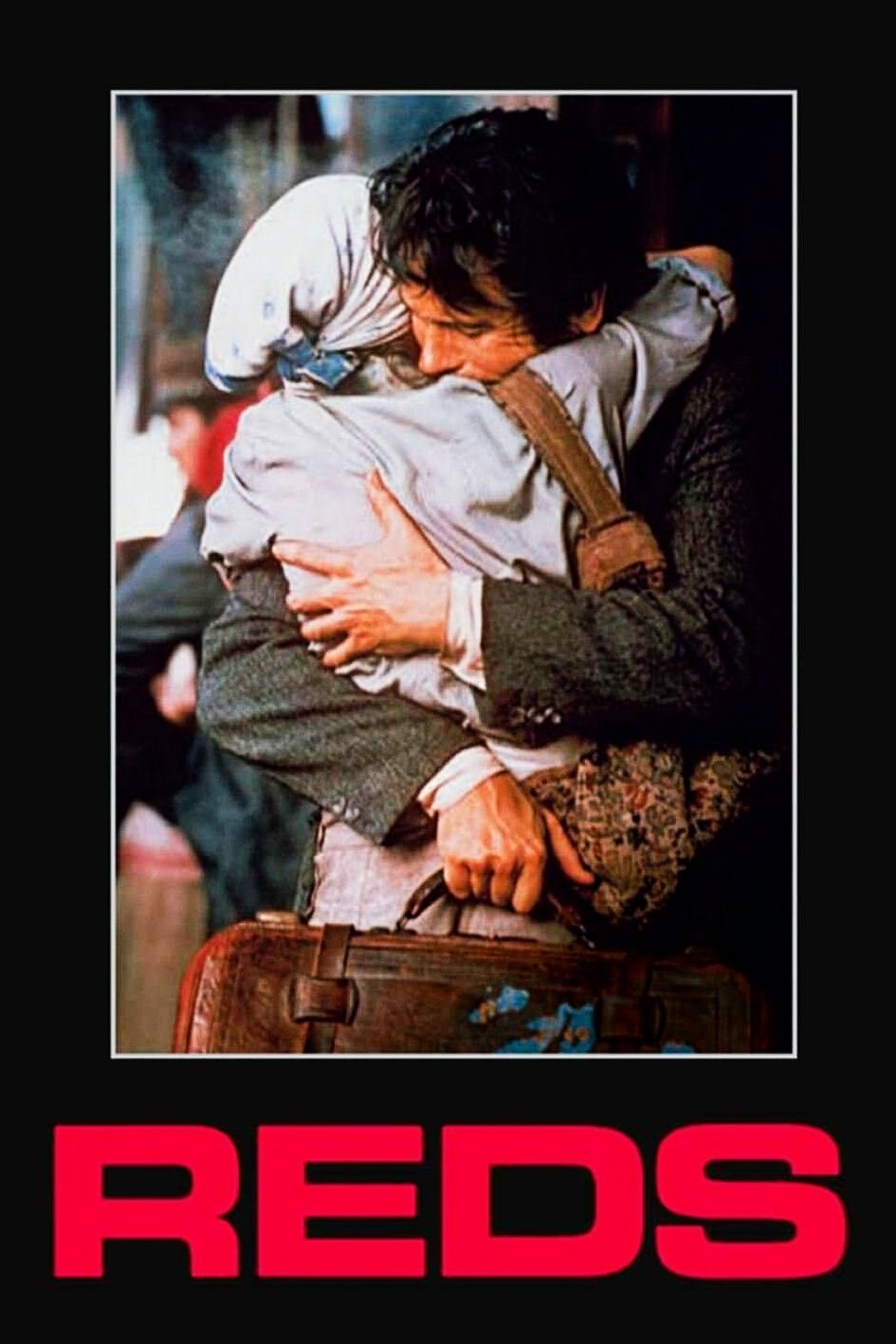
As a tribute to the late, great Diane Keaton, we are presenting one of her most striking and under-sung performances in Warren Beatty’s sweeping 1981 epic Reds.
Told on an operatic scale, Reds chronicles the real-life romance between radical journalist John Reed (Beatty) and writer-feminist Louise Bryant (Keaton), set against the turbulence of early-20th-century revolution. While history remembers Reed as the author of Ten Days That Shook the World, it’s Keaton’s Louise who anchors the film—unwilling to live in anyone’s shadow.
Shot with the grandeur of classic Hollywood and the intimacy of a love letter, Reds earned Beatty an Academy Award for Best Director and Keaton a Best Actress nomination, cementing her as more than the quirky icon of Annie Hall. Here she is–resolute and radiant forever.
Read More