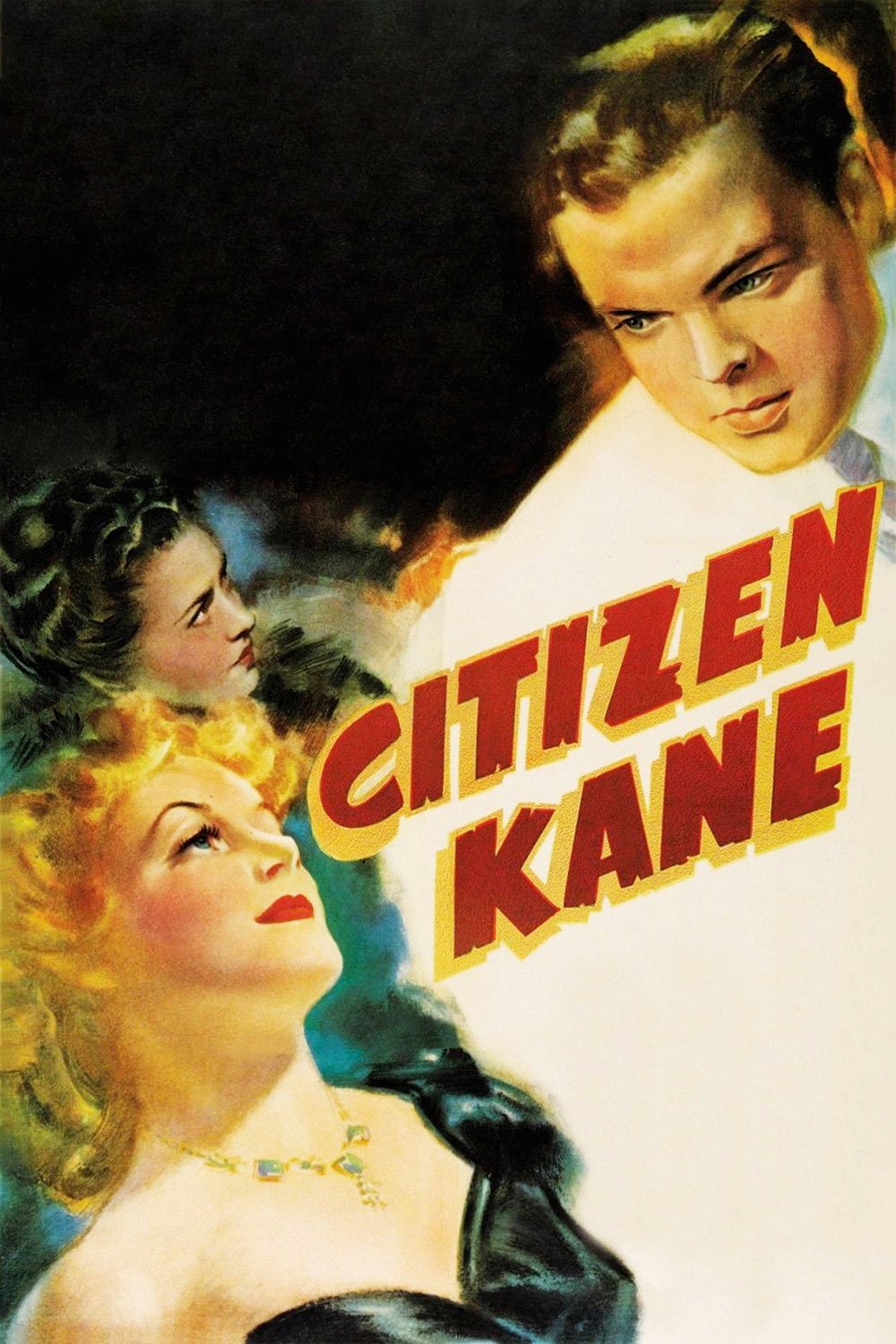
Our Classic Movie Nights series is finally making its way to one of the greatest achievements in cinema history—Citizen Kane, Orson Welles’ groundbreaking debut that changed the language of film forever.
Equal parts mystery and character study, Citizen Kane isn’t just the story of a man—it’s the story of America told through the rise and fall of Charles Foster Kane, a newspaper tycoon whose final word sends a reporter on a labyrinthine quest for meaning. Welles directs, co-writes, and stars in this epic of fractured memories, unreliable narrators, and stone cold cinematography that still feels audacious over 80 years later. We know you’ve been told to watch this film your whole life, that it’s “the greatest movie ever made”, and so many other things, but trust us: this is a film best experienced on the big screen.
Make sure to get to the screening early, as our Marketing Director Bekah will be doing a very informative and entertaining presentation on the film before it starts!
Read More
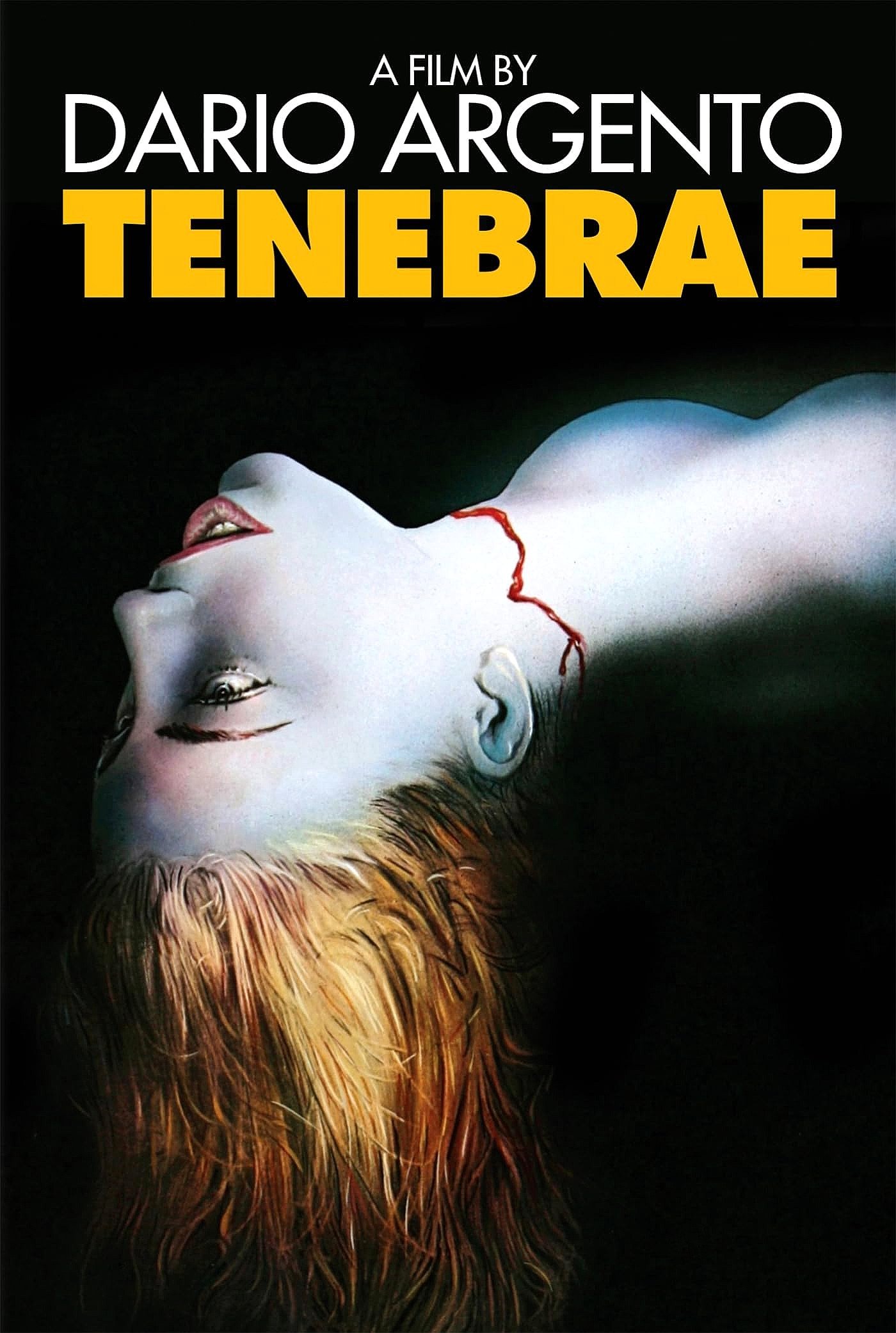
Dario Argento returned to the giallo in 1982 with Tenebrae, his most brutal, self-reflexive, and psychologically unhinged film to date. An American crime novelist arrives in Rome to promote his latest book, only to find that someone is using his fiction as a blueprint for real murders. What follows is a labyrinth of voyeurism, doubles, obsession, and bloodletting—crafted with icy precision and wicked intelligence.
Featuring some of Argento’s most audacious set pieces (including the now-legendary crane shot over a building façade) and a pulsing electronic score by Goblin members under the name Simonetti-Morante-Pignatelli, Tenebrae is a postmodern slasher steeped in chrome, glass, and guilt.
A strangely prophetic film in many ways, Tenebrae asks: when the line between creator and killer vanishes, who’s really holding the knife?
Read More
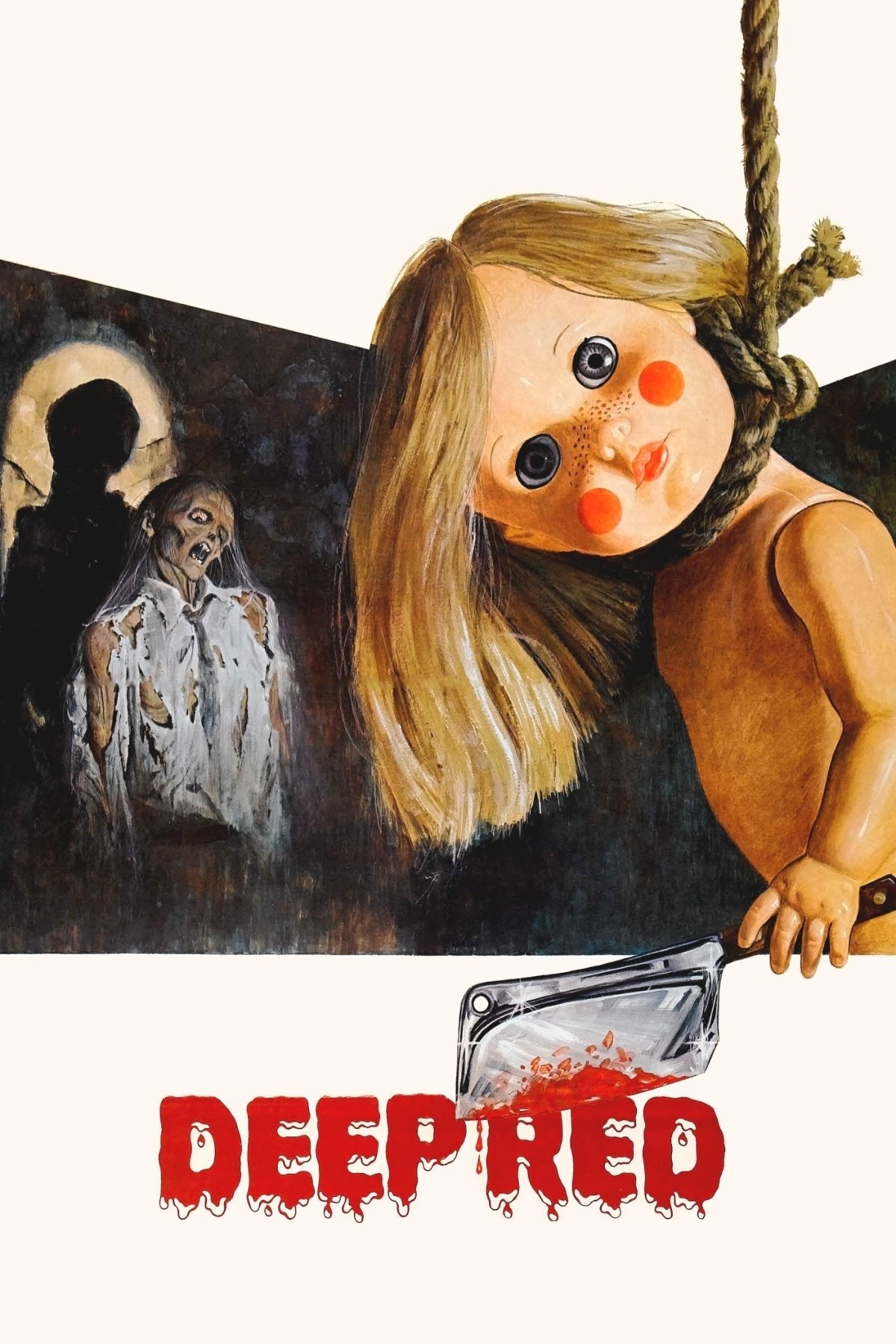
The crown jewel of our Black Gloves & Crimson Blood restrospective celebrating the films of Italian horror maestro Dario Argento is his unforgettable masterpiece Deep Red, now celebrating 50 years since its release with a new restoration from our friends at the American Genre Film Archive!
Widely hailed as Dario Argento’s magnum opus, Deep Red (aka Profondo Rosso) is a baroque symphony of murder, madness, and visual excess. When a jazz pianist witnesses a brutal killing, he’s pulled into a spiral of hallucination, artifice, and buried trauma. What follows is Argento at the absolute height of his powers: roving Steadicam shots, feverish close-ups, Grand Guignol gore, and a legendary Goblin score that pulses like a racing heartbeat.
On its 50th anniversary, Deep Red returns to the screen in all its operatic, blood-soaked glory. Whether you’re seeing it for the first time or the fiftieth, this is the film that defines Argento with its formal audaciousness. Don’t say we didn’t warn you!
Read More
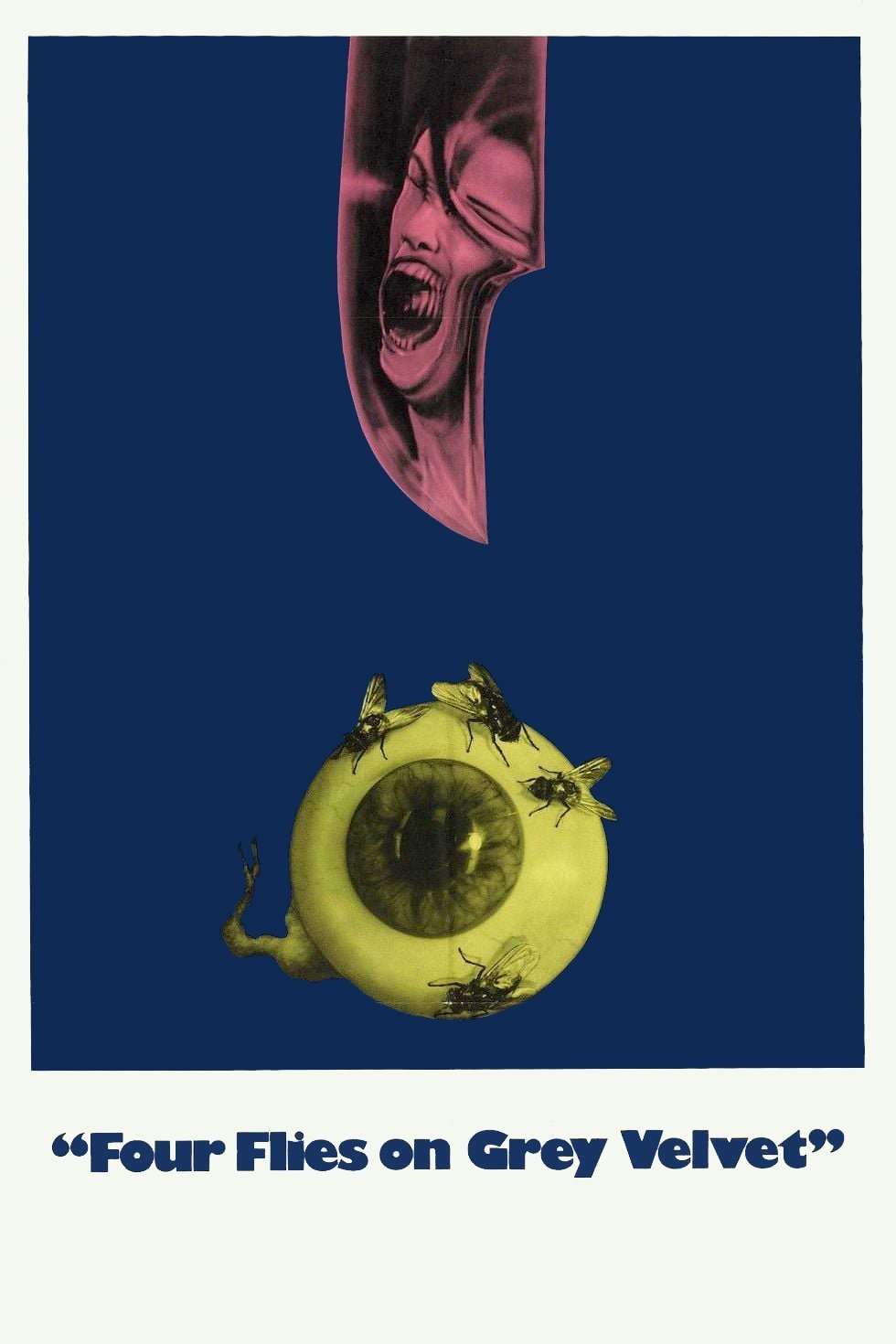
We’re cutting a little deeper with the second film in our Black Gloves & Crimson Blood series, straight into the subconscious of filmmaker Dario Argento with the nightmarish pairing of Four Flies On Grey Velvet and Door Into Darkness!
In Four Flies on Grey Velvet, the final entry in Argento’s “Animal Trilogy,” a rock drummer becomes ensnared in a blackmail plot that spirals into surreal paranoia and psychedelic dread. Rarely screened and long shrouded in cult mystique, it’s a slippery, dreamlike thriller featuring one of Argento’s most unforgettable death sequences.
Then: Door into Darkness, Argento’s rare foray into television. Acting as both host and creative force, he delivers a chilling episode that strips murder down to its most primal, procedural elements!
There will be a 15 minute intermission between the movies. One ticket purchase gets you access to both films.
Read More
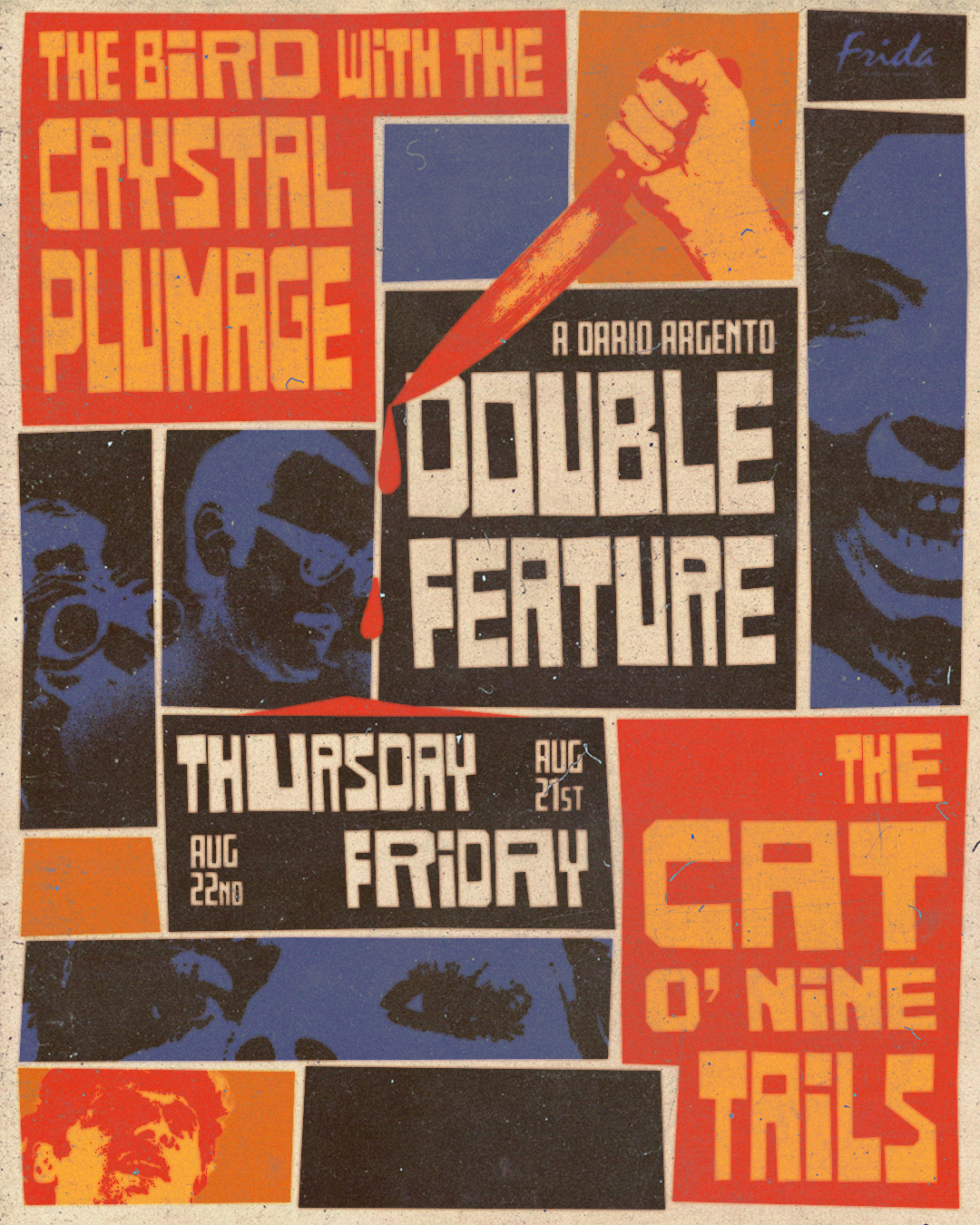
Our descent into the delirious world of Dario Argento begins with a blood-soaked one-two punch: his genre-defining debut The Bird with the Crystal Plumage and its twisted, paranoid follow-up The Cat O’ Nine Tails.
With Plumage, Argento burst onto the international stage, fusing Hitchcockian suspense with a bold visual style that would come to define the Giallo genre. It’s a razor-sharp thriller told through black leather gloves, shattered memories, and the killer’s point of view. Just a year later, The Cat O’ Nine Tails took the formula deeper into conspiracy and scientific obsession—doubling down on the tension, body count, and baroque atmosphere.
These are murder mysteries where the plot is secondary to sensation. Fear is a color, violence is choreography, and the camera is a voyeur. Don’t miss these two Italian horror classics on the big screen! There will be a 15 minute intermission between the movies. One ticket purchase gets you access to both films.
Read More
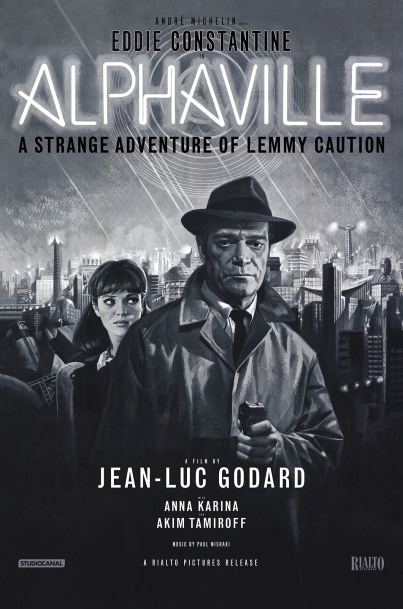
Part science fiction, part noir, part poetry—Jean-Luc Godard’s Alphaville remains a landmark of experimental French New Wave cinema. On its 60th anniversary, step into a hypnotic future now remastered in 4K for the perfect big screen experience!
Lemmy Caution is on a mission to eliminate Professor Von Braun, the creator of a malevolent computer that rules the city of Alphaville. Befriended by the scientist’s daughter Natasha, Lemmy must unravel the mysteries of the strictly logical Alpha 60 and teach Natasha the meaning of the word “love.”
Don’t miss this rare chance to see one of cinema’s most influential dystopias on the big screen—where its stark beauty and radical ideas truly belong.
Read More
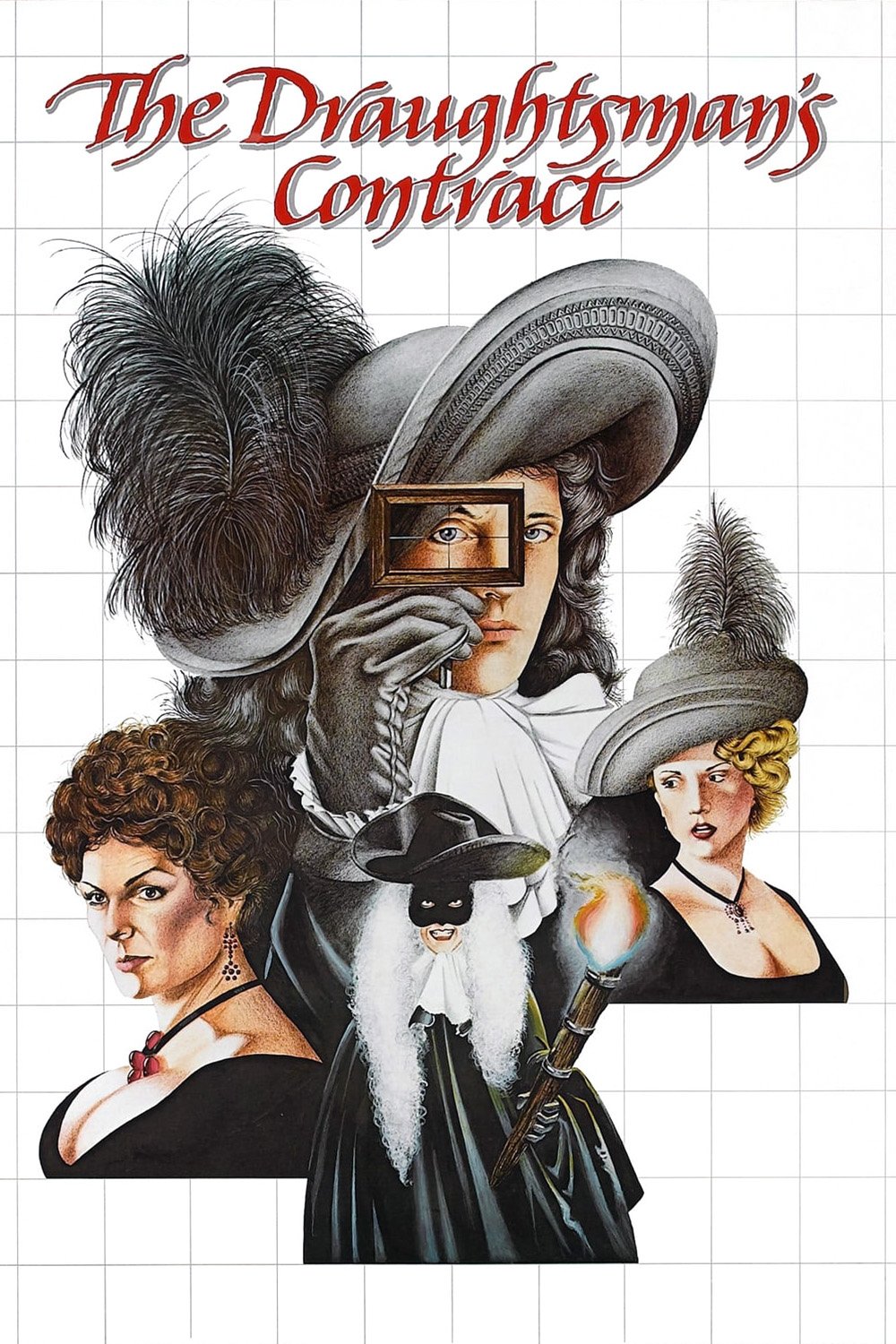
This August, The Frida Cinema proudly presents Greenaway & Nyman, a film series celebrating four of the most iconic collaborations between filmmaker Peter Greenaway and composter Michael Nyman. Our series opens with the film that marked the beginning of their prolific and celebrated partnership, 1982’s The Draughtsman’s Contract. This film marked the beginning of a prolific and celebrated partnership, with Nyman’s driving, baroque score becoming an essential element of Greenaway’s distinct visual style.
Set in the lush English countryside at the close of the 17th century, The Draughtsman’s Contract is a labyrinthine tale of art, seduction, and deception. When Mrs. Virginia Herbert commissions a young, arrogant artist named Mr. Neville to produce a series of detailed drawings of her estate, their arrangement includes not only payment, but certain intimate privileges. As Neville obsessively sketches the grounds with mathematical precision, he begins to uncover cryptic clues and shifting allegiances that suggest a darker intrigue beneath the estate’s manicured surface.
Read More
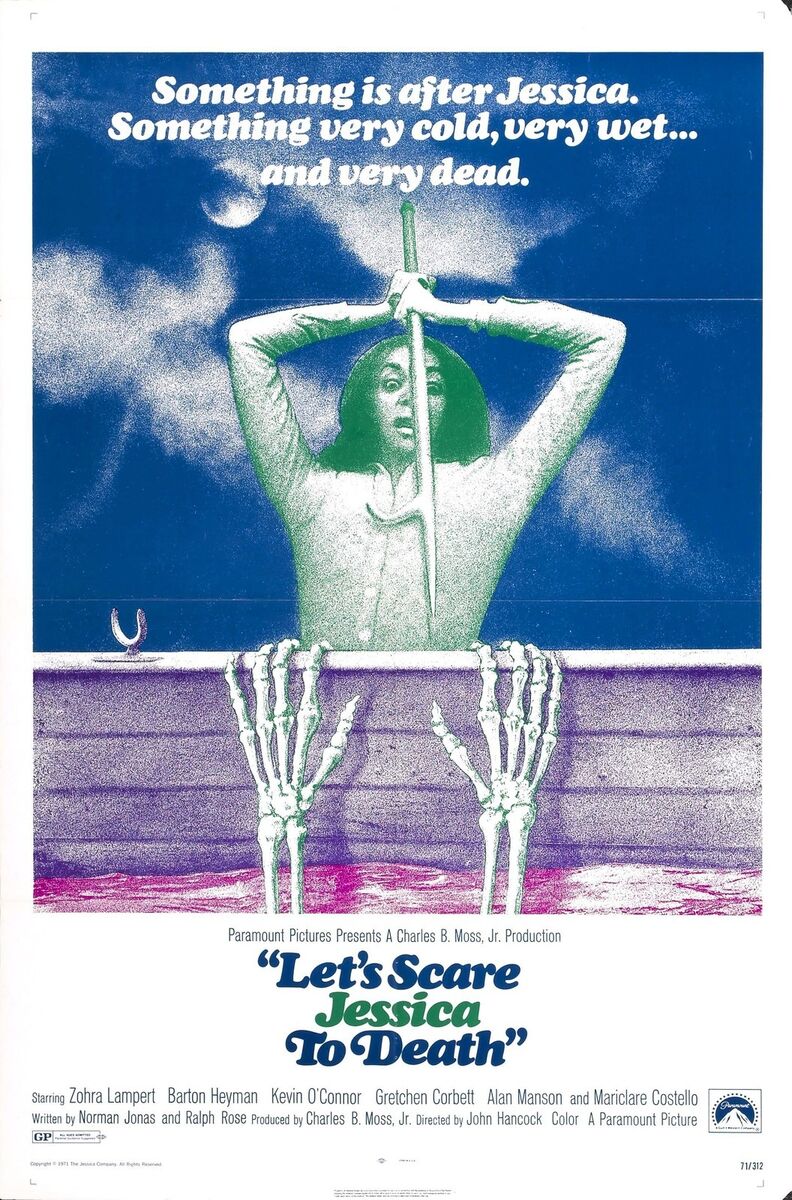
Fans of atmospheric horror and psychological dread are in luck! The next film in our Hallucinations series is 1971’s Let’s Scare Jessica To Death!
Recently released from a mental institution, Jessica moves to the countryside with her husband and a friend, hoping for peace and a fresh start. Instead, she finds whispers in the orchard, strangers in the lake, and the creeping suspicion that either she’s being haunted—or she’s slipping back into madness. Directed by John Hancock, scored with ghostly minimalism, and photographed like a faded dream, this is New England horror at its most hushed and haunting.
Released in 1971 to little fanfare and growing cult reverence, it remains one of the most quietly devastating and psychically destabilizing horror films of its era.
Hosted by Polygon’s editor-in-chief Chris Plante, Hallucinations is a monthly event that spotlights movies that challenge our expectations of story, style, and “good taste”. Plante will introduce each film with some behind-the-scenes history and critical context. With Hallucinations, The Frida Cinema wants to build a communal space for lovers of Weird Cinema. We invite guests to bond over films that change what we expect from the medium, the world, and themselves. So come early, stay late, make friends, and watch something strange, surprising, or just shamelessly sick.
Read More
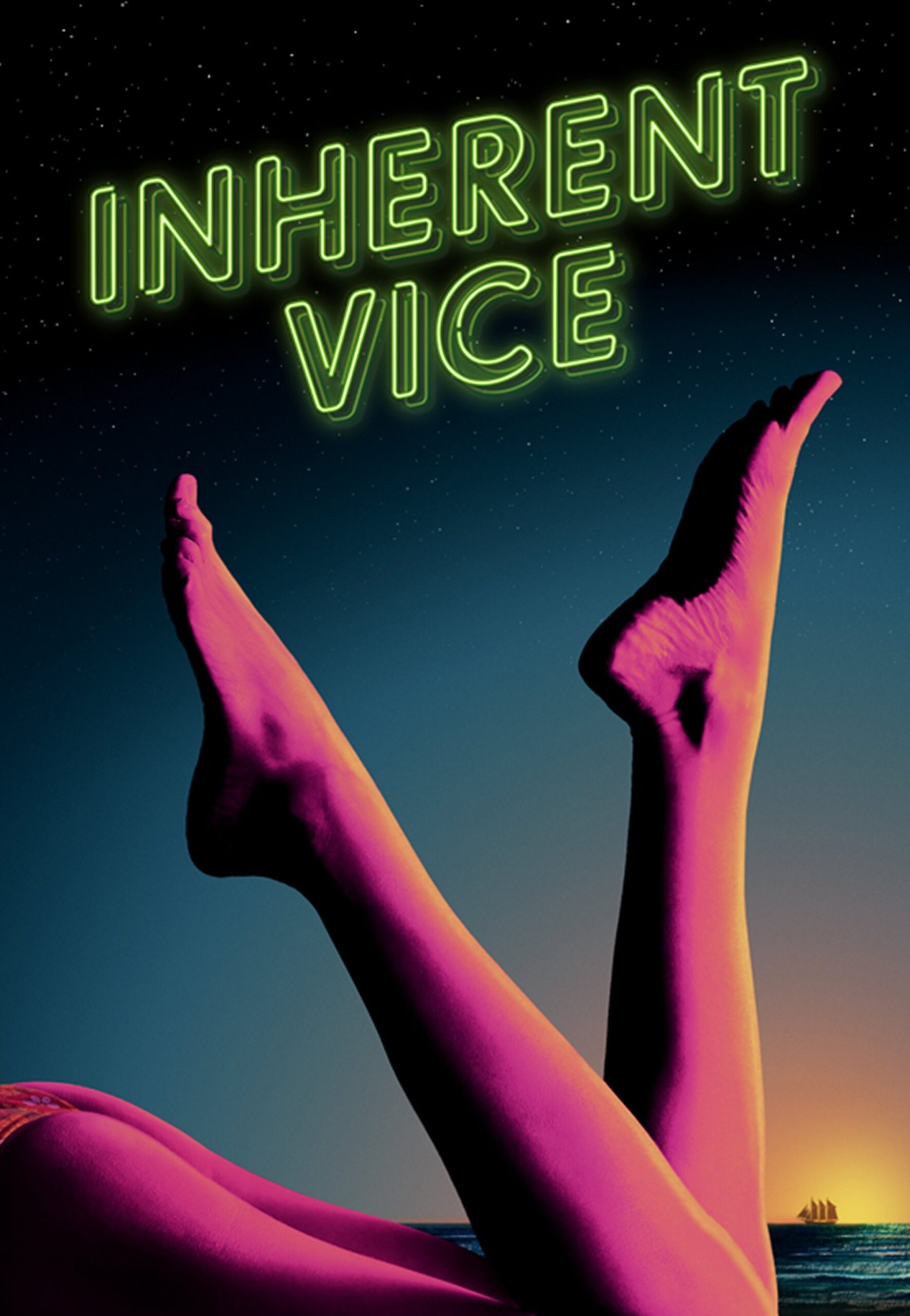
Paul Thomas Anderson’s shaggy dog detective story in flip-flops and a denim jacket, Inherent Vice adapts Thomas Pynchon’s psychedelic noir into a deliriously funny trip through the fogged-out tail end of the 1960s.
Joaquin Phoenix is Doc Sportello—private eye, deeply stoned romantic, and very possibly the last good man in Los Angeles—as he stumbles through a tangled conspiracy involving real estate developers, surf saxophonists, runaway girlfriends, and something called the Golden Fang.
With a killer cast (Josh Brolin! Katherine Waterston! Owen Wilson! Reese Witherspoon! Martin Short!), a dreamy Jonny Greenwood score, and PTA’s most straight-up goofy film to date, Inherent Vice is a smokey ode to things slipping away one step at a time.
Read More
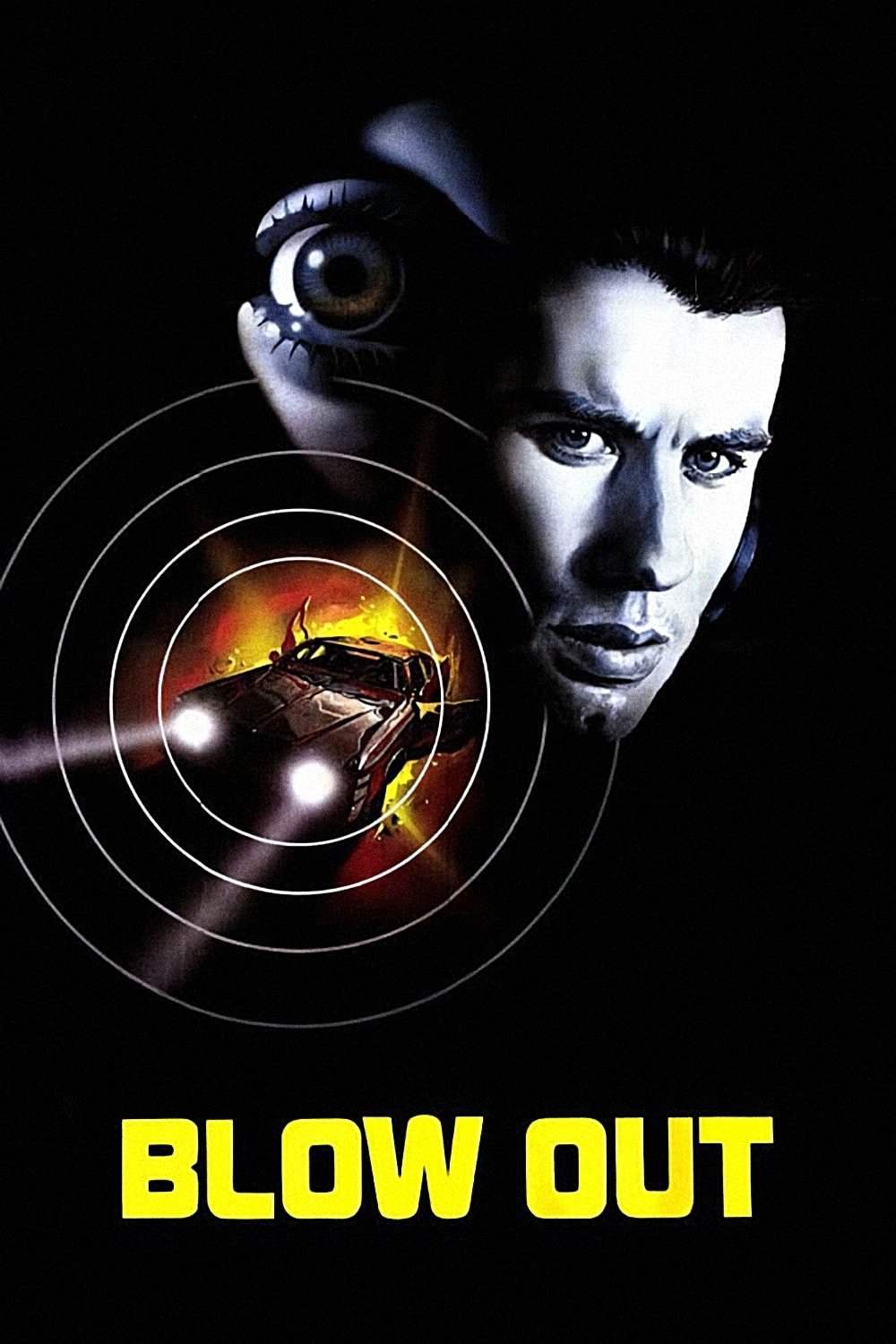
Fireworks, parades, patriotic bunting—and one sound that doesn’t belong. A scream? A gunshot? A tire blowout? No Fourth Of July celebration at The Frida would be complete without Brian De Palma’s 1981 masterpiece Blow Out!
John Travolta gives one of his best performances as Jack Terry, a sound technician for low-budget horror flicks who accidentally records a political assassination while gathering ambient sound one night. What follows is a paranoid plunge into reel-to-reel surveillance, media manipulation, and a conspiracy no one wants to hear.
A riff on Antonioni’s Blow-Up and Coppola’s The Conversation, but soaked in De Palma’s signature split-diopter style and operatic tension, Blow Out turns patriotic imagery into a nightmare canvas—stars and stripes flickering under streetlamps and firecrackers masking murder. Featuring Nancy Allen, John Lithgow in full psycho-mode, and a finale that literally weaponizes Independence Day spectacle, this is one of the sharpest political thrillers of the 1980s and one of De Palma’s true masterpieces.
Read More