HOLIDAY MEMBER DRIVE 2025

JOIN TODAY

Pools

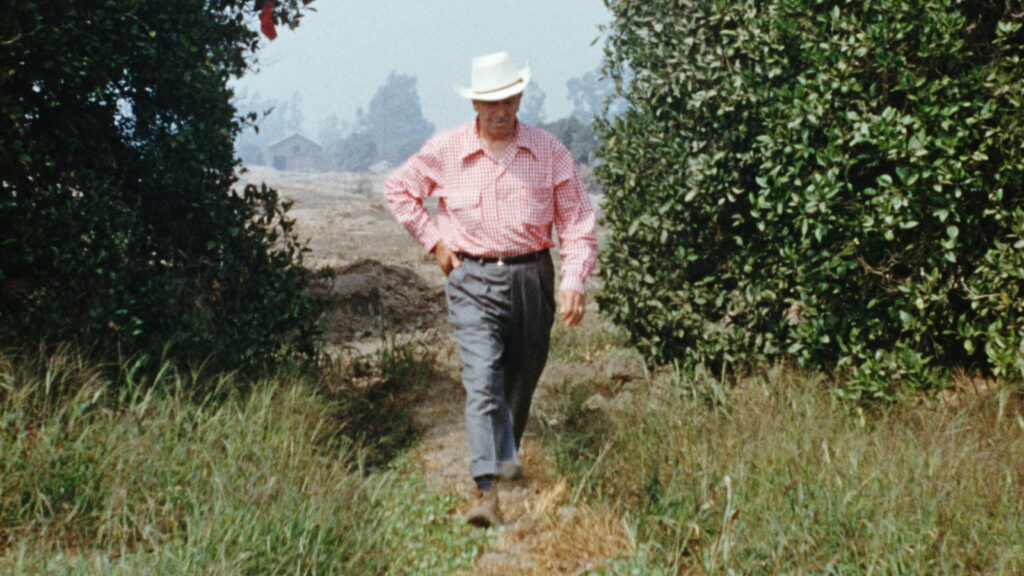
Hot off of screening at Toronto International Film Festival, The Frida Cinema is excited to present weeklong run of Sam Hayes’ new film Pools. 

Kennedy has one day to get her shit together or get kicked out of school for good. Instead of buckling down, she rallies a ragtag crew for a midnight pool-hopping adventure through the lavish estates of her college town. But under the surface, Kennedy is searching for answers to the questions tearing her up inside in the wake of her father’s death. As the secrets spill, this wild escape becomes a cathartic journey of self-discovery.

Hot off of screening at Toronto International Film Festival, The Frida Cinema is excited to present weeklong run of Sam Hayes’ new film Pools. 
Kennedy has one day to get her shit together or get kicked out of school for good. Instead of buckling down, she rallies a ragtag crew for a midnight pool-hopping adventure through the lavish estates of her college town. But under the surface, Kennedy is searching for answers to the questions tearing her up inside in the wake of her father’s death. As the secrets spill, this wild escape becomes a cathartic journey of self-discovery.

  1. 12:15 pm
  2. 5:00 pm

Love, Brooklyn

Love, Brooklyn is about Brooklynite writer assigned with writing a piece on the borough’s renaissance post-COVID. With his work deadline looming, he bikes around the borough, and at the same navigates the complexities of intertangled relationships in his life, including with: Casey (Nicole Beharie), his gallerist ex-girlfriend whom he is trying to remain friends with and who is dealing with her own professional deadlines; Nicole (DeWanda Wise), his new situationship who is a recent widow and new single mother studying to be a massage therapist; and Alan (Roy Wood Jr.), his best friend who is increasingly interested in cheating on his wife. Like Brooklyn itself, our characters are at moments in their lives where they need to leap forward while also needing to hold onto the pasts that have shaped them.

Premiering at Sundance earlier this year, Love, Brooklyn is a deeply romantic film, focusing on the connections of these characters and how they choose to operate within a changing world, both individually and together. The film’s tone is remarkably lovely in a way that we so rarely get to see from romantic dramas.

The film is the debut feature from filmmaker Rachael Abigail Hodler, and a large part of her intention in achieving this tone was to tell a story of Black people that isn’t seeped in tragedy. As she put it in her director’s statement from the film’s Sundance press notes: “As a filmmaker, I want to tell stories about sensitive Black people who cry and feel, in life not tragic or saccharine… I hope to expand the representation of what it means to be Black and what’s cool about this moment of inclusion in storytelling is that I don’t have to try to represent Blackness as a whole or all Black people. I can be really specific with how I see people, how they love, hide from love and ultimately show up for it. I want to show the soft parts of the people who look like me. I want to show the sensitive bits that show up, not when we are in danger or inferior but when we are in love.”

Love, Brooklyn is about Brooklynite writer assigned with writing a piece on the borough’s renaissance post-COVID. With his work deadline looming, he bikes around the borough, and at the same navigates the complexities of intertangled relationships in his life, including with: Casey (Nicole Beharie), his gallerist ex-girlfriend whom he is trying to remain friends with and who is dealing with her own professional deadlines; Nicole (DeWanda Wise), his new situationship who is a recent widow and new single mother studying to be a massage therapist; and Alan (Roy Wood Jr.), his best friend who is increasingly interested in cheating on his wife. Like Brooklyn itself, our characters are at moments in their lives where they need to leap forward while also needing to hold onto the pasts that have shaped them.
Premiering at Sundance earlier this year, Love, Brooklyn is a deeply romantic film, focusing on the connections of these characters and how they choose to operate within a changing world, both individually and together. The film’s tone is remarkably lovely in a way that we so rarely get to see from romantic dramas.
The film is the debut feature from filmmaker Rachael Abigail Hodler, and a large part of her intention in achieving this tone was to tell a story of Black people that isn’t seeped in tragedy. As she put it in her director’s statement from the film’s Sundance press notes: “As a filmmaker, I want to tell stories about sensitive Black people who cry and feel, in life not tragic or saccharine… I hope to expand the representation of what it means to be Black and what’s cool about this moment of inclusion in storytelling is that I don’t have to try to represent Blackness as a whole or all Black people. I can be really specific with how I see people, how they love, hide from love and ultimately show up for it. I want to show the soft parts of the people who look like me. I want to show the sensitive bits that show up, not when we are in danger or inferior but when we are in love.”

  1. 2:30 pm

Come and See

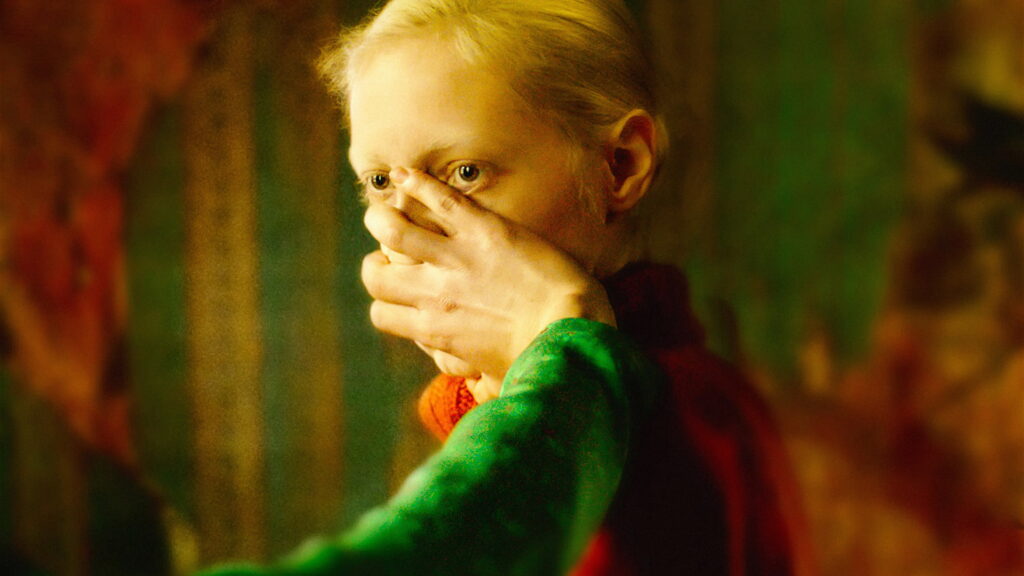
Widely regarded as one of the most harrowing antiwar films ever made, Elem Klimov’s Come and See (1985) is not merely watched—it’s endured. A hallucinatory descent into the heart of wartime atrocity, this Soviet masterpiece marks its 40th anniversary with a limited run at The Frida Cinema, now restored in 4K. 

When 14-year-old Flyora (a devastating Aleksei Kravchenko, delivering one of cinema’s most haunting performances) joins the Soviet partisans to fight back against the Nazi invasion of Belarus, he dreams of glory. What follows is something far more nightmarish—a journey through villages reduced to ash signaling the brutal erasure of innocence.

Shot with unnerving intimacy, Come and See immerses you in the psychological collapse of a child thrust into a world beyond comprehension. Its script was nearly buried for eight years by Soviet censors—and when it was finally unleashed, it left a mark that has never faded. Unflinching, unforgettable, and necessary, Come And See is a masterpiece and (unfortunately) more relevant than ever.

Widely regarded as one of the most harrowing antiwar films ever made, Elem Klimov’s Come and See (1985) is not merely watched—it’s endured. A hallucinatory descent into the heart of wartime atrocity, this Soviet masterpiece marks its 40th anniversary with a limited run at The Frida Cinema, now restored in 4K. 
When 14-year-old Flyora (a devastating Aleksei Kravchenko, delivering one of cinema’s most haunting performances) joins the Soviet partisans to fight back against the Nazi invasion of Belarus, he dreams of glory. What follows is something far more nightmarish—a journey through villages reduced to ash signaling the brutal erasure of innocence.
Shot with unnerving intimacy, Come and See immerses you in the psychological collapse of a child thrust into a world beyond comprehension. Its script was nearly buried for eight years by Soviet censors—and when it was finally unleashed, it left a mark that has never faded. Unflinching, unforgettable, and necessary, Come And See is a masterpiece and (unfortunately) more relevant than ever.

  1. 4:45 pm

Cure

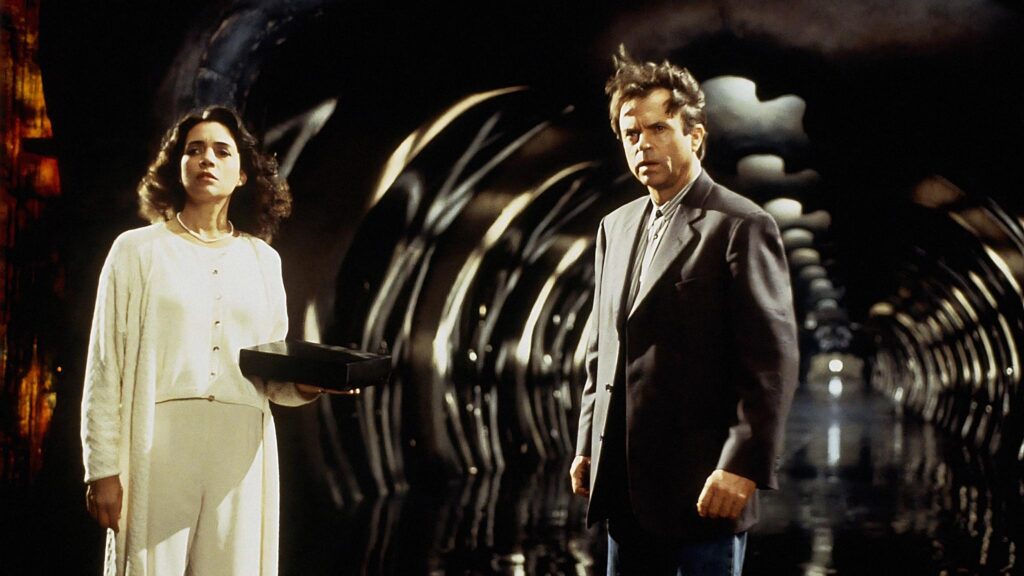
Taking our Arthouse 101: Japanese Cinema series into the 90’s is Kiyoshi Kurosawa’s heart-pounding 1997 thriller Cure, widely regarded as one of the best, most original, and most influential psychological horror films of the decade. 

A detective investigates a string of grisly murders—each victim killed in the same ritualistic manner, each murderer caught at the scene, unable to explain why they did it. The only connection? A mysterious drifter who seems to erase people’s memories—and unlock something buried deep inside them.

With icy precision and a creeping sense of dread, Cure is not just a murder mystery—it’s a meditation on identity and unraveling. Shot in long, haunting takes and drained colors, the film moves like a fog over post-economic-boom Japan: quiet and uncertain.

Arthouse 101: Japanese Cinema is a curated 12-film trip through the evolution of Japan—from the quiet post-war resilience of the 1940s all the way to the radical reinventions of the 1990s. This July-October, we will explore a new facet of this incredible nation’s cinematic journey throughout the 20th century. All films will be presented in their original Japanese language with English subtitles, at a reduced ticket price of $8.

Taking our Arthouse 101: Japanese Cinema series into the 90’s is Kiyoshi Kurosawa’s heart-pounding 1997 thriller Cure, widely regarded as one of the best, most original, and most influential psychological horror films of the decade. 
A detective investigates a string of grisly murders—each victim killed in the same ritualistic manner, each murderer caught at the scene, unable to explain why they did it. The only connection? A mysterious drifter who seems to erase people’s memories—and unlock something buried deep inside them.
With icy precision and a creeping sense of dread, Cure is not just a murder mystery—it’s a meditation on identity and unraveling. Shot in long, haunting takes and drained colors, the film moves like a fog over post-economic-boom Japan: quiet and uncertain.
Arthouse 101: Japanese Cinema is a curated 12-film trip through the evolution of Japan—from the quiet post-war resilience of the 1940s all the way to the radical reinventions of the 1990s. This July-October, we will explore a new facet of this incredible nation’s cinematic journey throughout the 20th century. All films will be presented in their original Japanese language with English subtitles, at a reduced ticket price of $8.

  1. 8:00 pm Sold Out

Suspiria

Do you know anything about witches? A technicolor nightmare bathed in neon light and scored to the pounding, otherworldly rhythms of Goblin, Dario Argento’s Suspiria is a singular, sensory assault and one of the most iconic horror films ever made. 

Suzy (Jessica Harper) travels to Germany to attend ballet school. When she arrives, late on a stormy night, no one lets her in, and she sees Pat (Eva Axén), another student, fleeing from the school. What happens after that is a descent into colorful mystery madness that only Argento could deliver.

Released in 1977 and still unlike anything before or since, Suspiria is the film Argento will be remembered for: a Giallo that transcends the genre, dripping with dread, saturated in color, and terrifying in ways that defy logic. It’s horror as high art—and high art as hallucination. Don’t miss this certified Frida Cinema favorite loud and proud on the big screen where it belongs!

Do you know anything about witches? A technicolor nightmare bathed in neon light and scored to the pounding, otherworldly rhythms of Goblin, Dario Argento’s Suspiria is a singular, sensory assault and one of the most iconic horror films ever made. 
Suzy (Jessica Harper) travels to Germany to attend ballet school. When she arrives, late on a stormy night, no one lets her in, and she sees Pat (Eva Axén), another student, fleeing from the school. What happens after that is a descent into colorful mystery madness that only Argento could deliver.
Released in 1977 and still unlike anything before or since, Suspiria is the film Argento will be remembered for: a Giallo that transcends the genre, dripping with dread, saturated in color, and terrifying in ways that defy logic. It’s horror as high art—and high art as hallucination. Don’t miss this certified Frida Cinema favorite loud and proud on the big screen where it belongs!

  1. 8:30 pm

CURRENT & UPCOMING SERIES

See All

SUPPORT THE FRIDA CINEMA

We are OC’s year-round film festival
COPYRIGHT ©THE FRIDA CINEMA 2025
TAX ID 27-0950151

SUBSCRIBE TO GET OUR NEWSLETTER

Sign up

(714) 285-9422
305 E. 4th Street Suite 100
Santa Ana, CA 92701