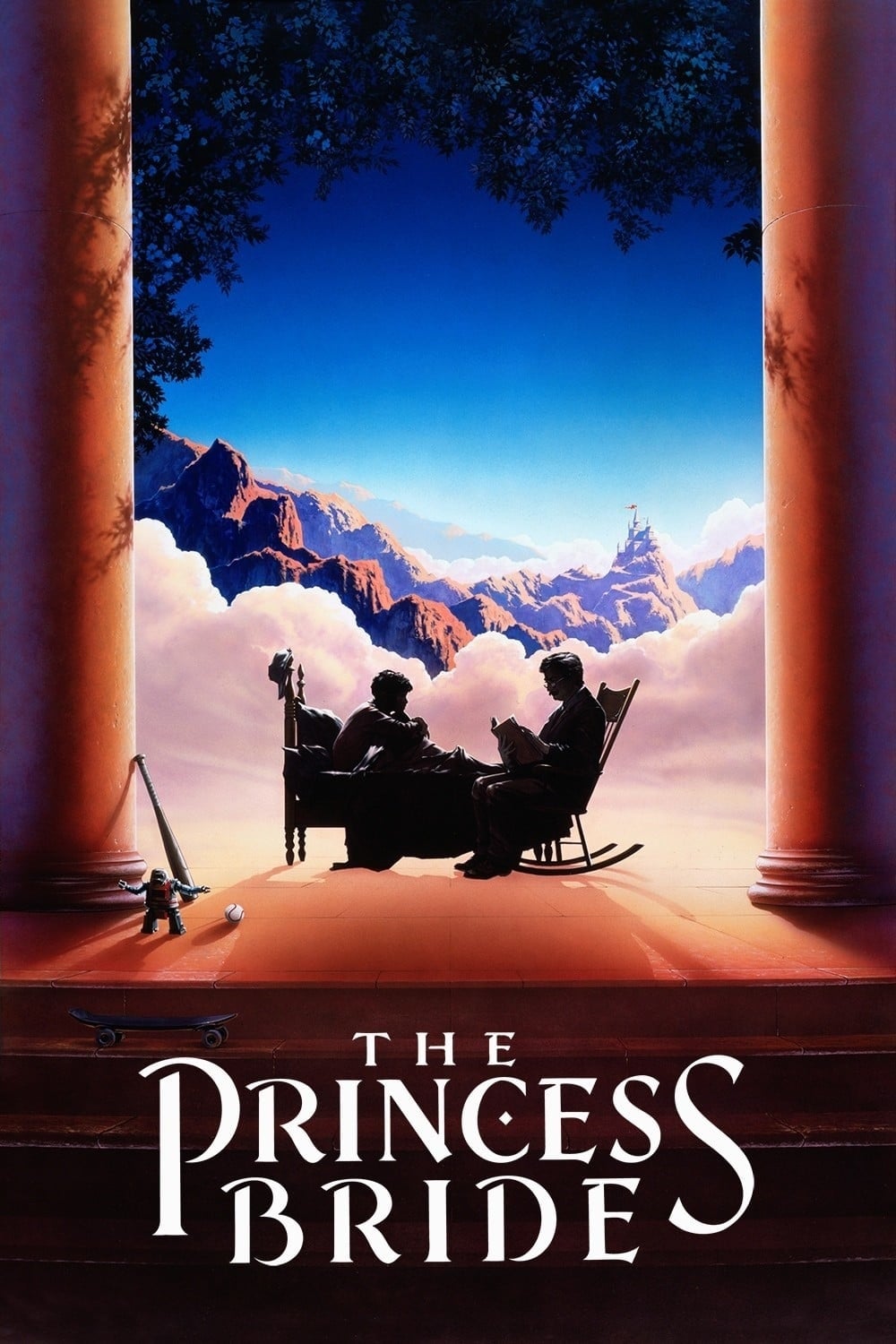
Our Page To Screen series is opening up the storybook that never gets old–Rob Reiner’s The Princess Bride!
This is the rare film that truly has something for everyone: part fairy tale, part swashbuckling adventure, part romantic comedy, and all heart. Adapted by William Goldman from his own novel, it follows the epic love story of Westley and Buttercup, spun by a grandfather (Peter Falk) reading to his skeptical grandson (Fred Savage). Along the way? Duels, deception, miracle pills, and some of the most quotable dialogue ever put to screen.
Whether it’s your first time or your fiftieth, The Princess Bride is a timeless story of love, laughter, and one very determined man in black.
Read More
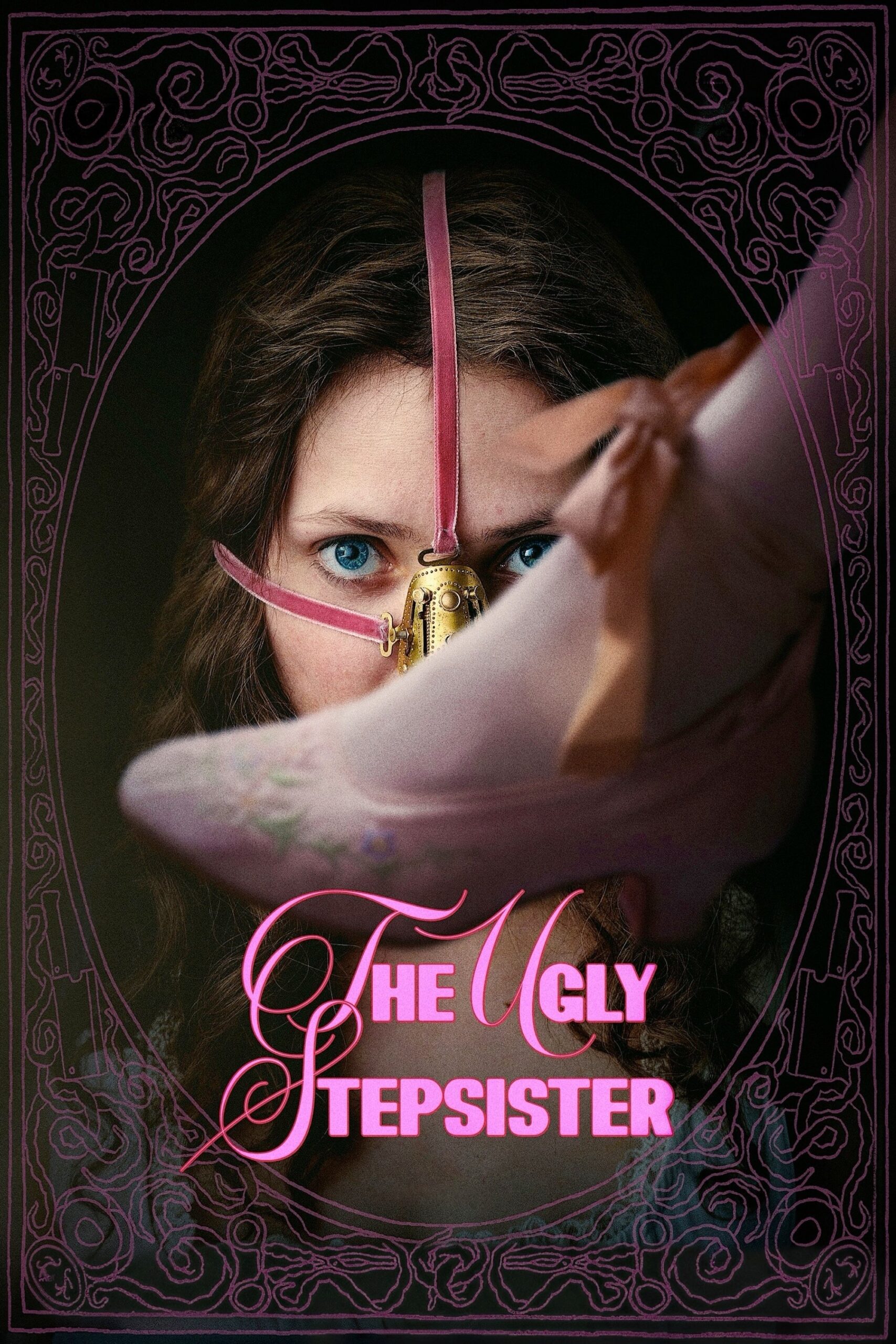
A twisted reimagining of a beloved fairytale that has emerged as one of the most buzzed-about horror films of 2025, The Ugly Stepsister comes to The Frida for two late night screenings!
Writer-director Emilie Blichfeldt’s visceral, aesthetically-sumptuous gothic body‑horror presents the Cinderella story as experienced through the eyes of her overlooked stepsister. Set in a decaying 18th‑century kingdom of “Swedlandia,” The Ugly Stepsister centers on awkward, bookish Elvira (a sensational Lea Myren, making her feature-film debut), whose ambitious mother Rebekka (Ane Dahl Torp) forces her into brutal cosmetic procedures and deadly beauty rituals, none of which will be spoiled here, all in a desperate bid to win Prince Julian’s affection over her radiant stepsister Agnes (Thea Sofie Loch Næss). It’s not all blood and gore, however; drawing from the darker undertones of the original Grimm tale, as well as her own struggles with body image, Blichfeldt masterfully employs symbolism, and Myren’s intense and fully-committed performance, to craft a film that stirs empathy just as powerfully as it unsettles.
Read More
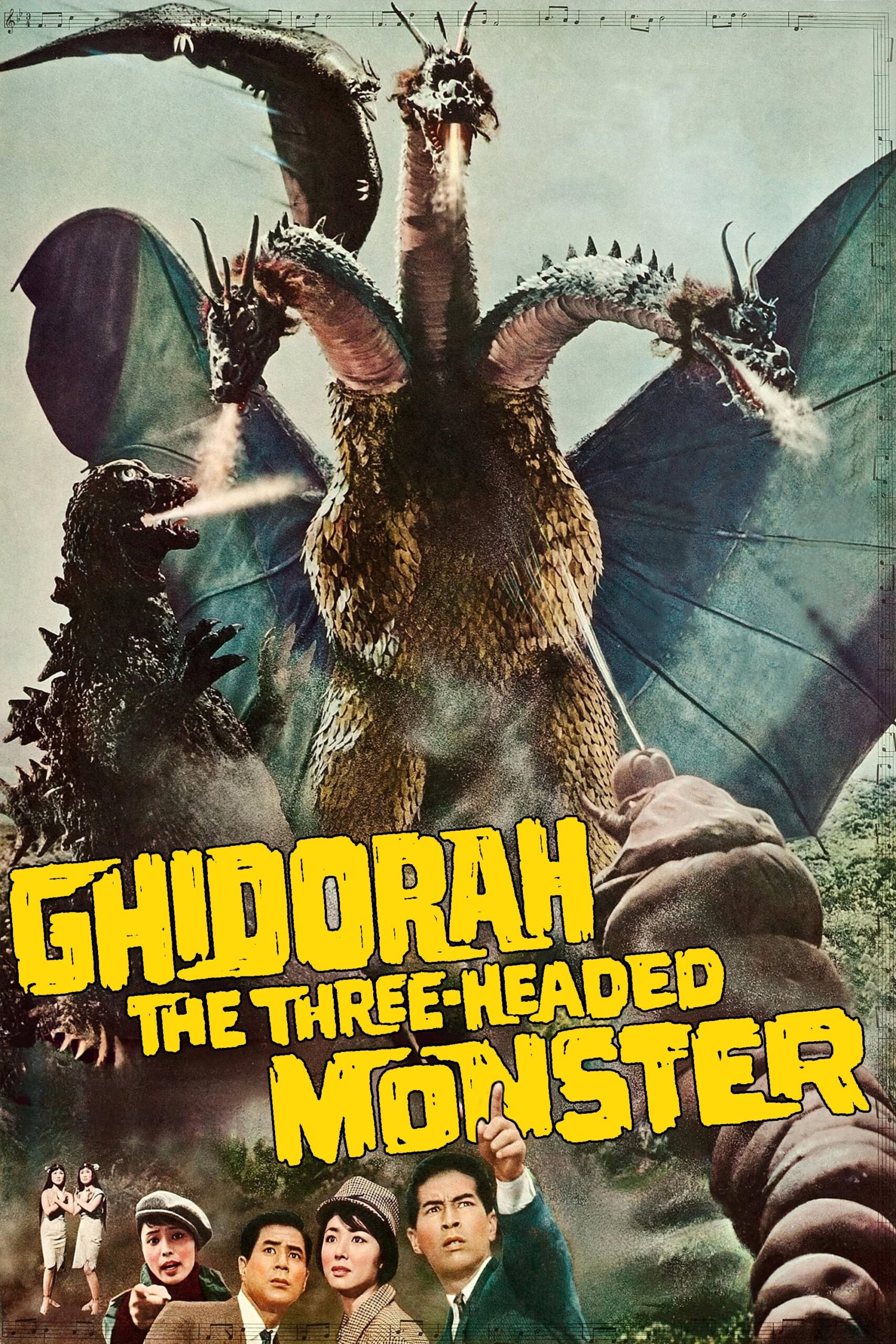
“Monsters are gathering. The Earth may not survive.” The Frida Cinema is teaming up with our friends at Creature Bazaar to bring you Ghidorah, The Three-Headed Monster! And make sure to get there early for a book signing with authors Steve Ryfle and Ed Godziszewski and their new book Godzilla: The First 70 Years: The Official Illustrated History Of The Japanese Productions!
Released in 1964 and still crackling with cosmic weirdness, this fourth installment in the Showa-era Godzilla series doesn’t just raise the stakes—it tears a hole in the sky and sends a golden dragon through it. Enter: King Ghidorah—a planet-destroying, three-headed space hydra who crashes to Earth in a meteor and promptly starts leveling cities.
The only hope? An uneasy alliance between Earth’s three reigning monsters: the once-terrifying Godzilla, the majestic Mothra, and the elusive Rodan. Together, they’ll grumble, fight, and eventually team up in a monster mash for the ages!
Read More
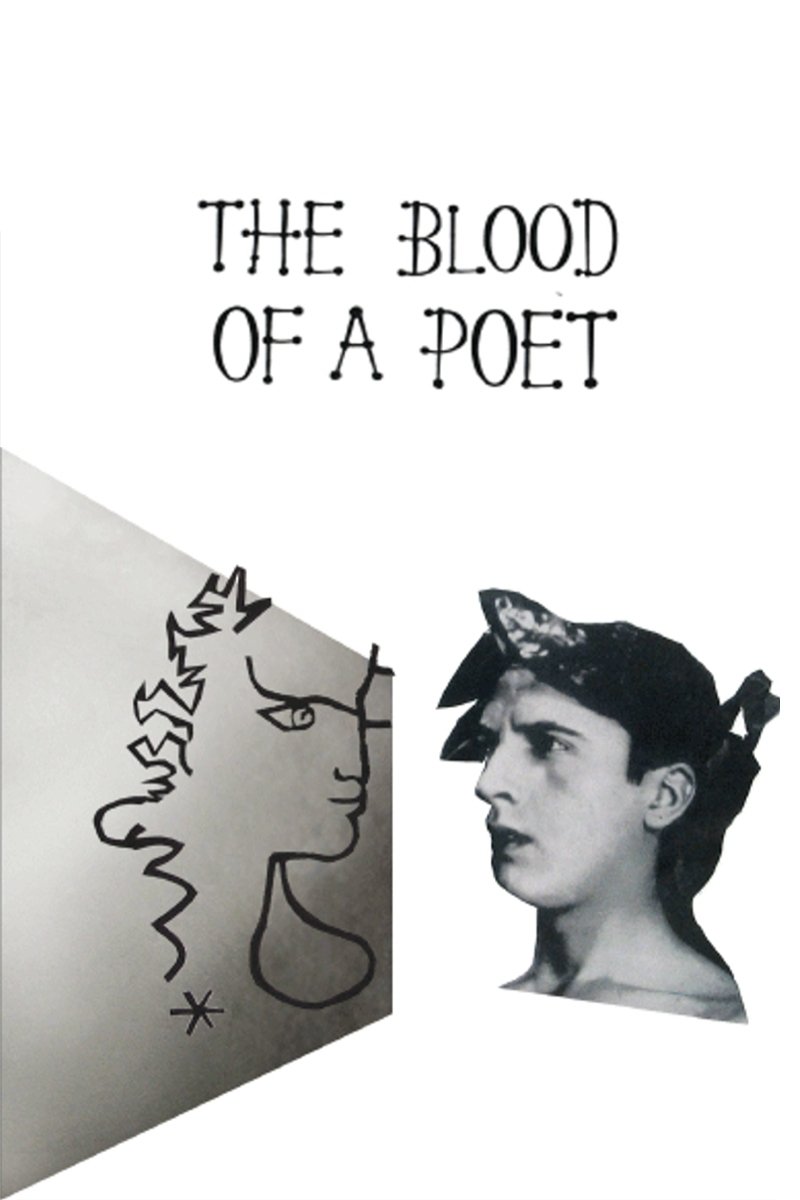
Enter the world of visionary filmmaker Jean Cocteau, as we take you to where it all began–The Blood Of The Poet!
Part silent cinema séance, part avant-garde fever dream, The Blood of a Poet was made in collaboration with the legendary Vicomte de Noailles and shot in the aftermath of a scandalized art world, the film plays like a lucid dream you’re not entirely sure you woke from.
Banned, booed, and eventually canonized, The Blood of a Poet is not a film that explains itself. It folds in on itself—layered with Catholic iconography, queer longing, and the kind of experimental imagery that would echo through Lynch, Jarman, and surrealists for decades to come.
Read More
The Testament of Orpheus is the final film in our Jean Cocteau series—a dreamlike self-portrait where the artist literally walks through his own creations. Time bends, reality slips, and Cocteau—the mythmaker—steps in front of the camera to reflect on art, death, and immortality in a world of symbols and shadows.
Part sequel, part epilogue to Orpheus, the film brings back familiar faces (including Jean Marais and María Casares), and introduces cameos from Cocteau’s contemporaries, including Pablo Picasso and Jean-Pierre Léaud. It’s a meditation on legacy and the surreal power of cinema to blur what is real and what is imagined.
Shot in luminous black and white among ruins and strange halls, The Testament Of Orpehus is less a narrative than a moving poem—an invitation into the inner sanctum of one of the 20th century’s greatest visionaries.
Read More
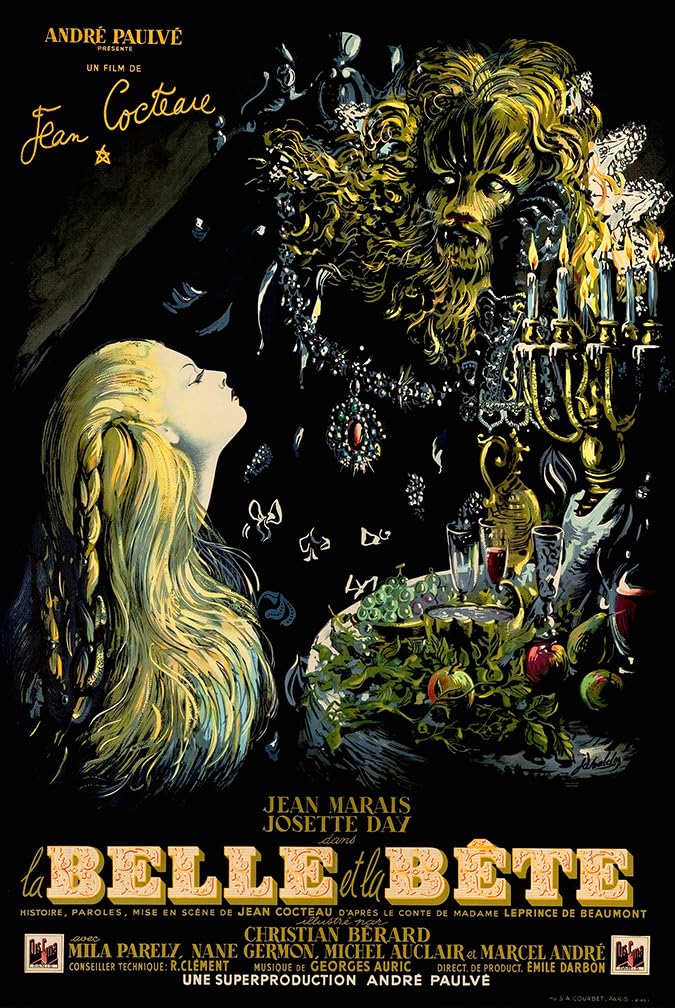
Celebrate the birthday of visionary director Jean Cocteau as we present a special run of Beauty and the Beast!
Born July 5th, 1889, Jean Cocteau was a poet, painter, playwright, and filmmaker whose imagination knew no borders—and no film better captures his singular vision than La Belle et la Bête (1946), a masterpiece of surreal romanticism that turns a fairy tale into living myth.
Starring Josette Day as the gentle, radiant Belle and the great Jean Marais as the tortured, leonine Beast, Cocteau’s Beauty and the Beast is a marvel of shadow, texture, and cinematic illusion. Made just after WWII on a shoestring budget and with raw ingenuity, the film conjures real magic without special effects. This isn’t Disney–it’s real cinema magic.
Read More
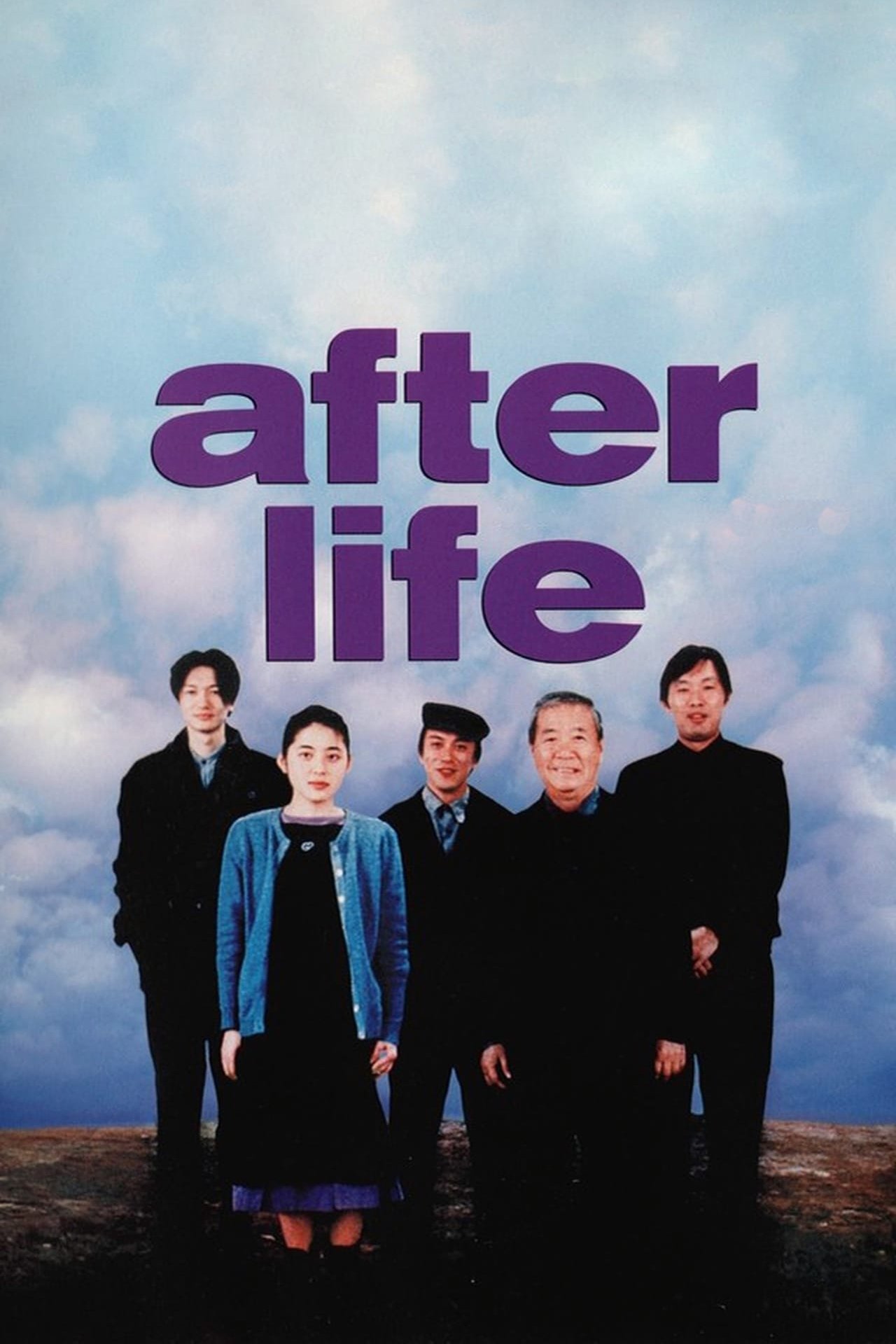
The final film in our Arthouse 101: Japanese Cinema series is Hirokazu Kore-eda’s 1998 masterwork After Life!
In After Life, the recently deceased arrive at a waystation between this world and the next. Their task? To choose a single memory from their lives to take with them into eternity. A small team of counselors helps each soul re-create that memory on film, allowing them to move on—leaving everything else behind.
With a mix of actors and real interviews, After Life blurs the line between fiction and documentary, imagination and memory. The result is a quietly transcendent film that contemplates the meaning of life not through grand events, but through small, deeply human moments.
Arthouse 101: Japanese Cinema is a curated 12-film trip through the evolution of Japan—from the quiet post-war resilience of the 1940s all the way to the radical reinventions of the 1990s. Each Monday this July-September, we will explore a new facet of this incredible nation’s cinematic journey throughout the 20th century! All films will be presented in their original Japanese language with English subtitles!
Read More
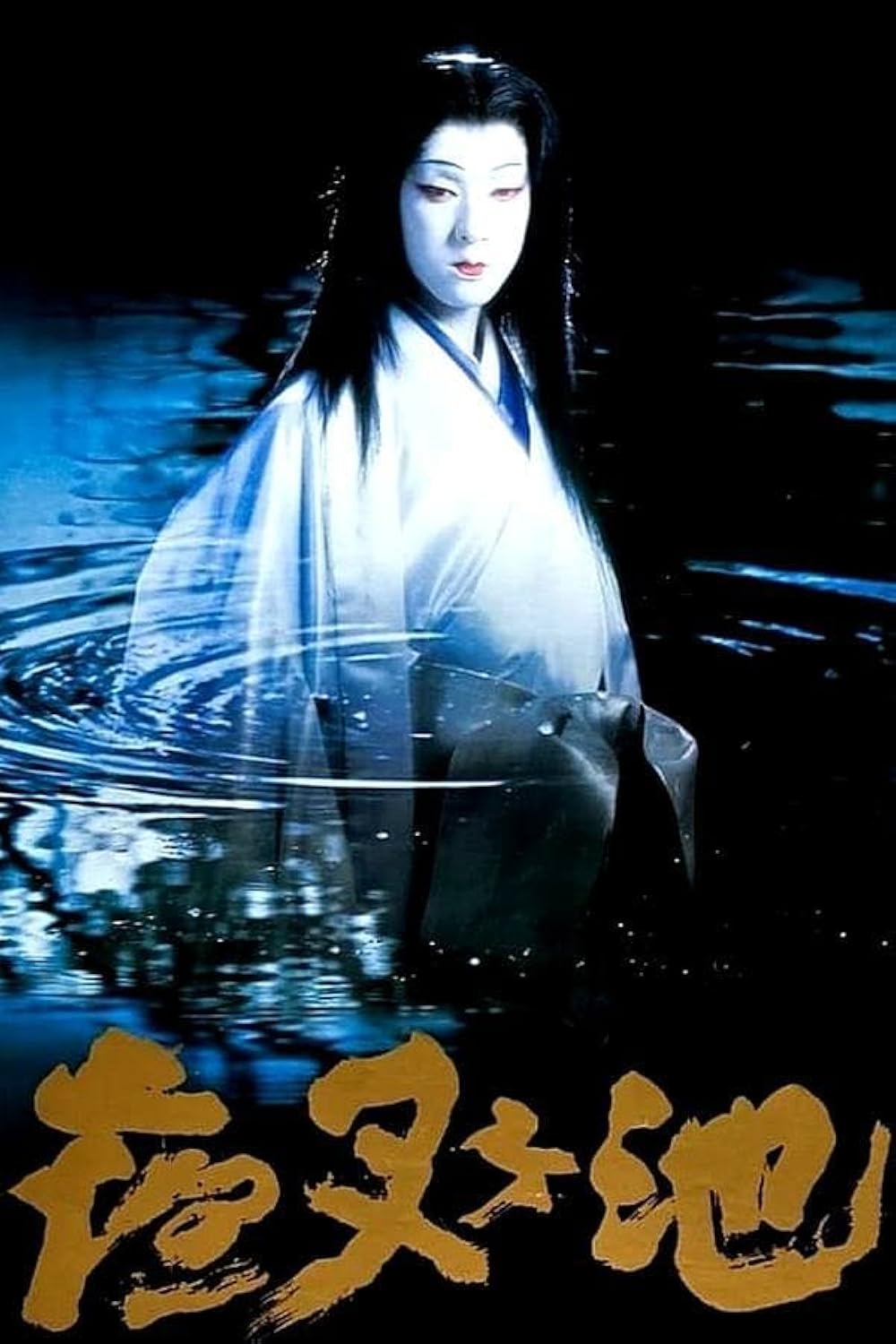
Closing our the August portion of our Arthouse 101: Japanese Cinema series is Demon Pond! The story follows a Tokyo academic that stumbles into a remote village with a strange obsession: the locals ring a bell daily to prevent a mythical dragon from rising from the nearby pond and flooding the region. What begins as eccentricity becomes uncanny, as the boundaries between folklore and madness begin to blur.
Adapted from Kyōka Izumi’s 1913 play and reimagined with a theatrical, dreamlike visual language by New Wave master Masahiro Shinoda, this is a ghost story told in the language of myth and ritual. Part parable, part fever dream, Demon Pond is less about monsters and more about what it means to believe—and what it costs to stop.
Arthouse 101: Japanese Cinema is a curated 12-film trip through the evolution of Japan—from the quiet post-war resilience of the 1940s all the way to the radical reinventions of the 1990s. Each Monday this July-September, we will explore a new facet of this incredible nation’s cinematic journey throughout the 20th century! All films will be presented in their original Japanese language with English subtitles!
Read More
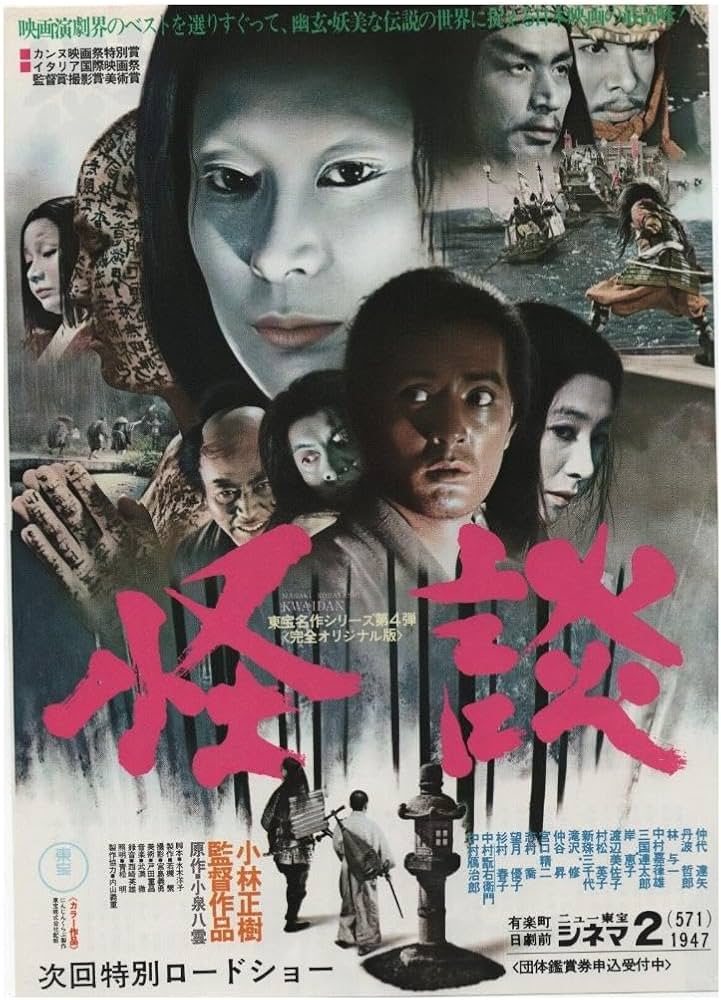
Kicking off the August portion of our Arthouse 101: Japanese Cinema series is Kwaidan, director Masaki Kobayashi’s fascinating meditation on memory, regret, and the delicate boundary between the living and the dead.
Taking its title from an archaic Japanese word meaning “ghost story,” this anthology adapts four folk tales. A penniless samurai marries for money with tragic results. A man stranded in a blizzard is saved by Yuki the Snow Maiden, but his rescue comes at a cost. Blind musician Hoichi is forced to perform for an audience of ghosts. An author relates the story of a samurai who sees another warrior’s reflection in his teacup.
Arthouse 101: Japanese Cinema is a curated 12-film trip through the evolution of Japan—from the quiet post-war resilience of the 1940s all the way to the radical reinventions of the 1990s. Each Monday this July-September, we will explore a new facet of this incredible nation’s cinematic journey throughout the 20th century! All films will be presented in their original Japanese language with English subtitles!
Read More
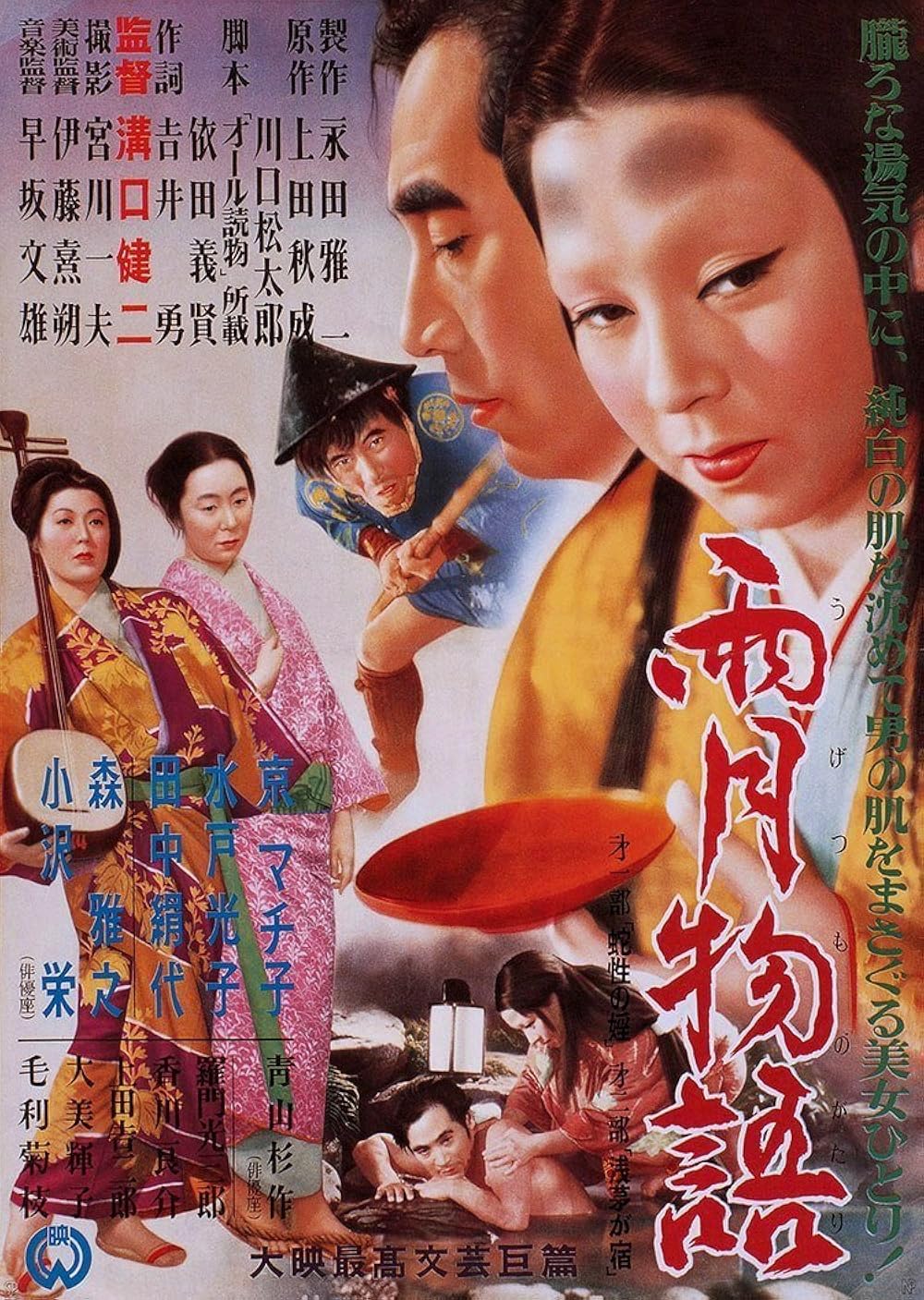
A haunting masterpiece of Japanese cinema, Ugetsu is the second film in our Arthouse 101: Japanese Cinema series. Kenji Mizoguchi’s hypnotic camera work, long takes, and atmospheric composition make Ugetsu a meditative, otherworldly experience that influenced filmmakers from Kurosawa to Scorsese. Winner of the Silver Lion at the Venice Film Festival, this is a film where myth and history blur, inviting us to reflect on the consequences of human folly.
Made just eight years after WWII, the film uses a ghostly narrative to process national memory and warn against repeating the same mistakes. Ugetsu exemplifies how Japanese filmmakers of the 1950s turned to allegory and aesthetics to navigate complex postwar identities—elevating cinema to poetry.
Arthouse 101: Japanese Cinema is a curated 12-film trip through the evolution of Japan—from the quiet post-war resilience of the 1940s all the way to the radical reinventions of the 1990s. Each Monday this July-September, we will explore a new facet of this incredible nation’s cinematic journey throughout the 20th century! All films will be presented in their original Japanese language with English subtitles!
Read More