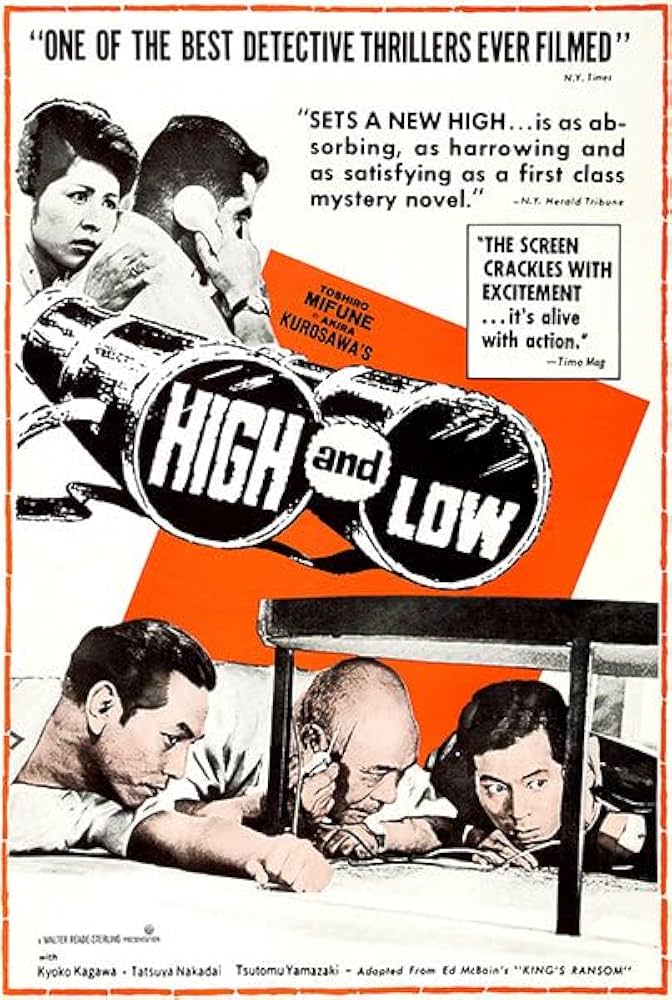
A brand new 4K restoration of High And Low is coming to The Frida Cinema as part of fourteen film retrospective on the films of Akira Kurosawa! Thank you to Janus Films for restoring this masterpiece and allowing us to play it.
The story of High And Low follows an executive of a Yokohama shoe company becomes a victim of extortion when his chauffeur’s son is kidnapped by mistake and held for ransom.
This highly influential domestic drama, adapted Ed McBain’s detective novel King’s Ransom, Kurosawa moves effortlessly from compelling race-against-time thriller to exacting social commentary, creating a diabolical treatise on contemporary Japanese society.
Read More
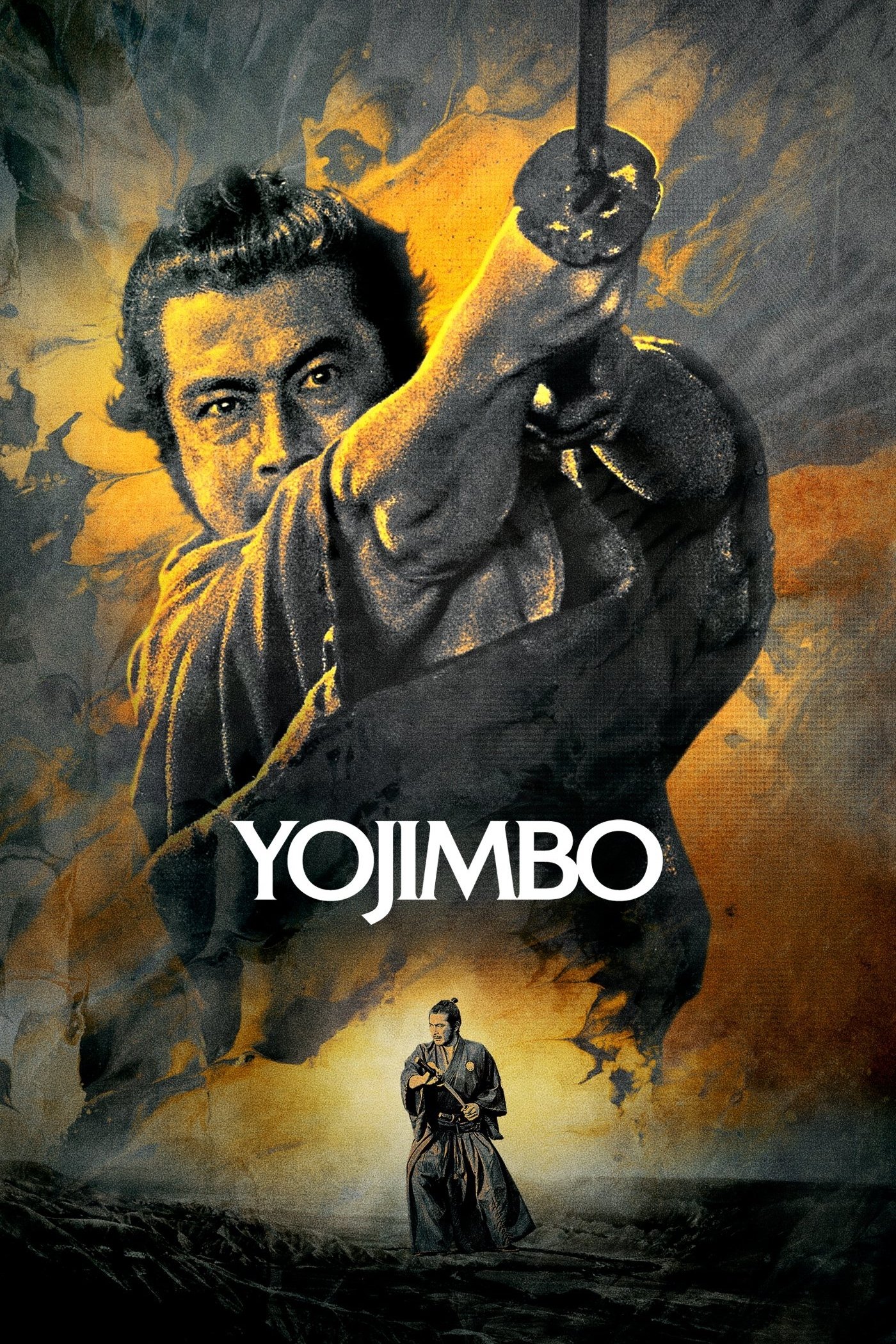
We’re kicking off February with a Samurai double feature of Akira Kurosawa’s Yojimbo and Sanjuro, both screening with brand new 4K restorations courtesy of the incredible talents at Janus Films!
Yojimbo: A nameless ronin, or samurai with no master, enters a small village in feudal Japan where two rival businessmen are struggling for control of the local gambling trade. Taking the name Sanjuro Kuwabatake, the ronin convinces both silk merchant Tazaemon and sake merchant Tokuemon to hire him as a personal bodyguard, then artfully sets in motion a full-scale gang war between the two ambitious and unscrupulous men.
Sanjuro: Jaded samurai Sanjuro helps an idealistic group of young warriors weed out their clan’s evil influences, and in the process turns their image of a “proper” samurai on its ear. Less brazen in tone than its predecessor but equally entertaining, this classic character’s return is a masterpiece in its own right.
Read More
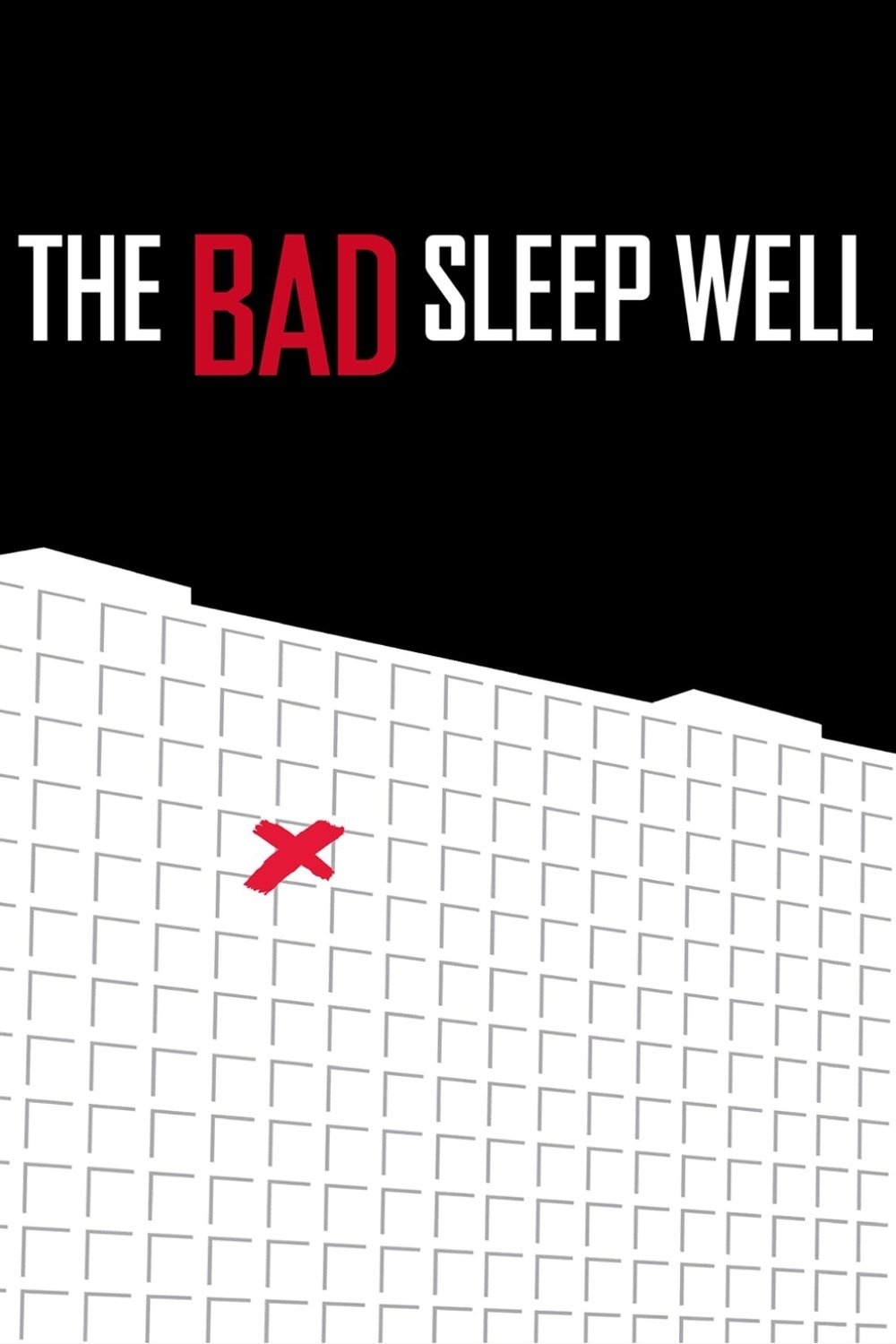
Akira Kurosawa kicked off the 1960s with his underrated film noir piece The Bad Sleep Well, screening at The Frida Cinema as part of our ongoing retrospective on the works of the legendary Japanese director.
The story is simple: a vengeful young man marries the daughter of a corrupt industrialist in order to seek justice for his father’s suicide. What follows is a film that combines elements of Hamlet and noir to chilling effect in exposing the corrupt boardrooms of postwar corporate Japan.
Continuing his legendary collaboration with Toshiro Mifune, The Bad Sleep Well is a lesser-known stroke of genius in the filmmaker’s canon, but great nonetheless. See it on the big screen, where it rarely plays!
Read More
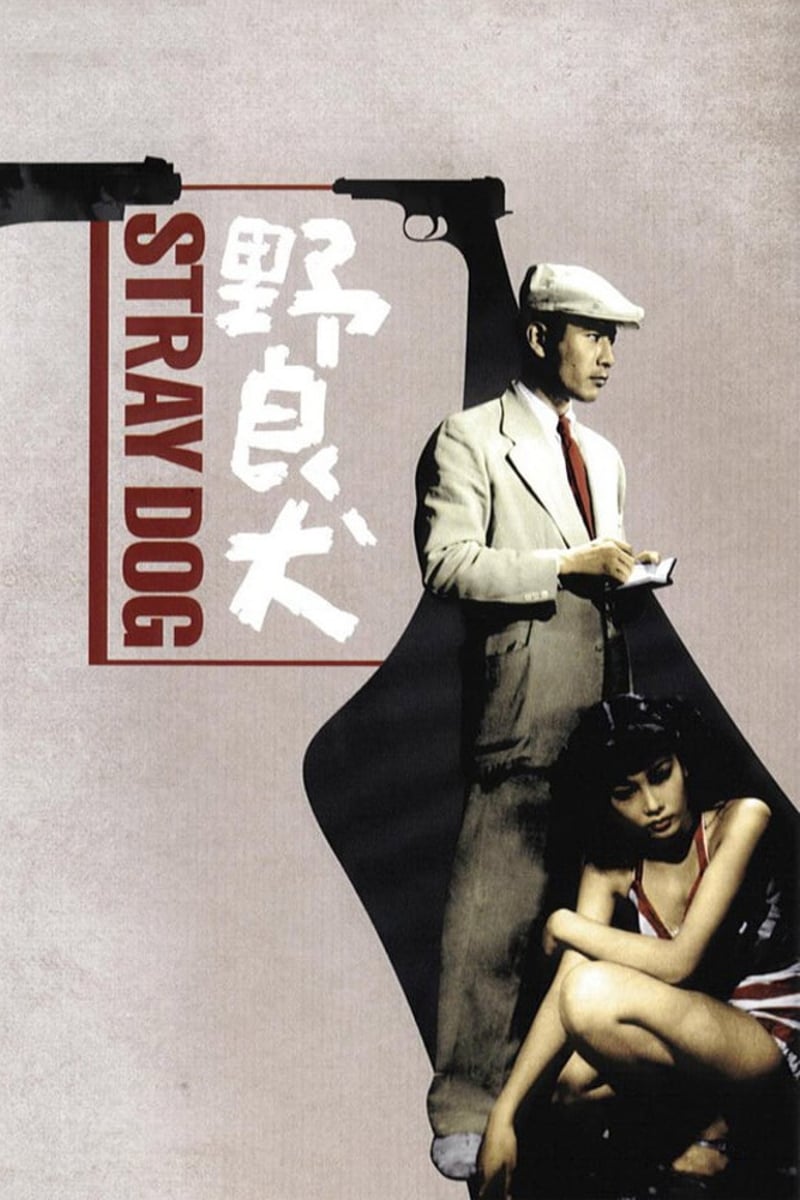
Kick off our epic fourteen film retrospective on the works of legendary director Akira Kurosawa with his 1949 crime thriller Stray Dog, now restored in a brand new 4K restoration thanks to Janus Films!
A bad day gets worse for young detective Murakami when a pickpocket steals his gun on a hot, crowded bus. Desperate to right the wrong, he goes undercover, scavenging Tokyo’s sweltering streets for the stray dog whose desperation has led him to a life of crime. With each step, cop and criminal’s lives become more intertwined and the investigation becomes an examination of Murakami’s own dark side.
Starring Toshiro Mifune, as the rookie cop, and Takashi Shimura as the seasoned detective who keeps him on the right side of the law, Stray Dog goes beyond a crime thriller, probing the squalid world of postwar Japan and the nature of the criminal mind.
Read More
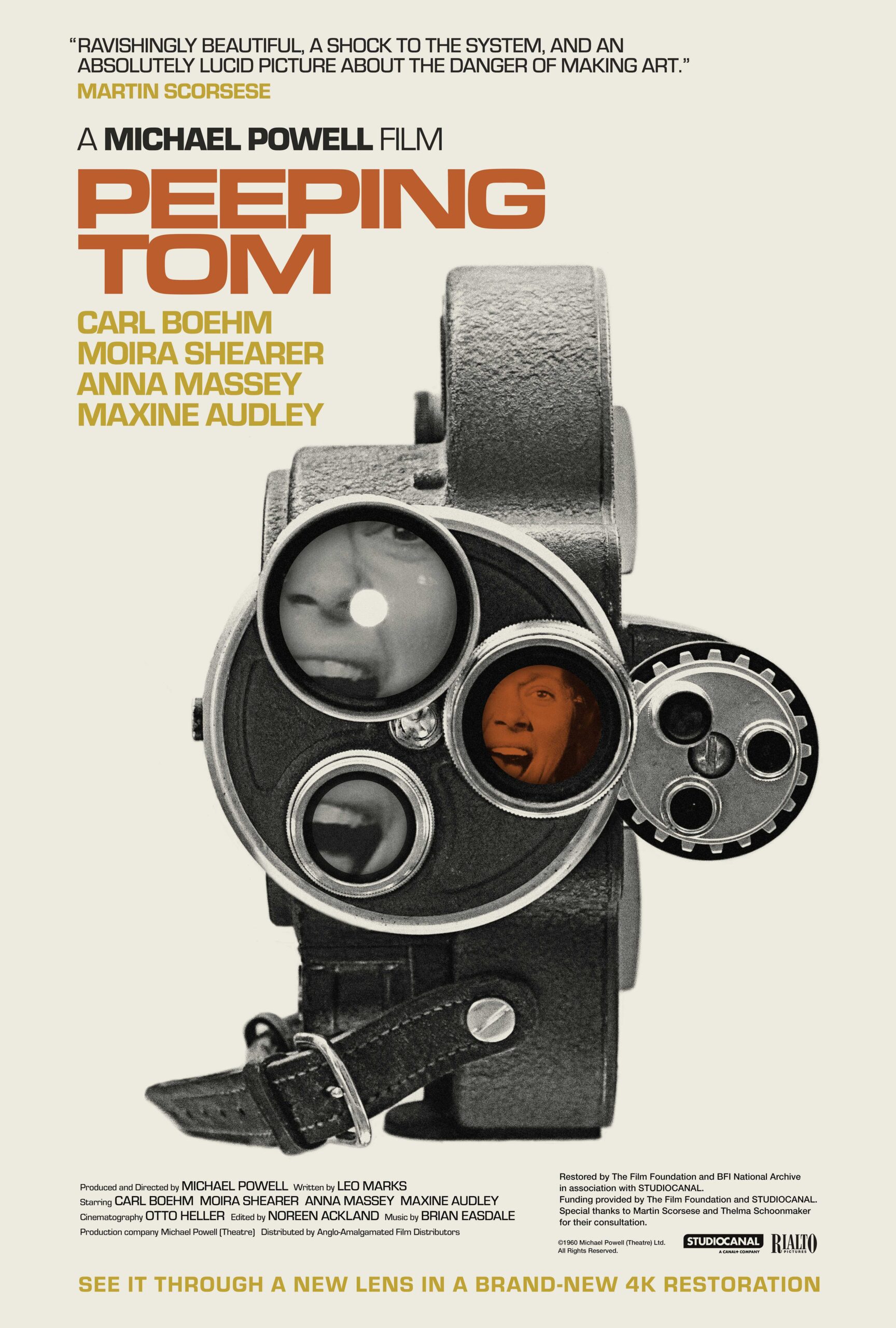
Michael Powell’s (of the iconic directorial duo Powell & Pressburger) deeply disturbing Peeping Tom is coming to The Frida Cinema in a brand new restoration from Rialto Pictures!
Loner Mark Lewis works at a film studio during the day and, at night, takes racy photographs of women. Also he’s making a documentary on fear, which involves recording the reactions of victims as he murders them. He befriends Helen, the daughter of the family living in the apartment below his, and he tells her vaguely about the movie he is making.
When Peeping Tom premiered in 1960, British critics savaged it. The film was immediately branded “vile,” “depraved,” and “disgusting.” 55 years later, it’s one of the most influential (and cleverly shot) thrillers ever made.
Read More
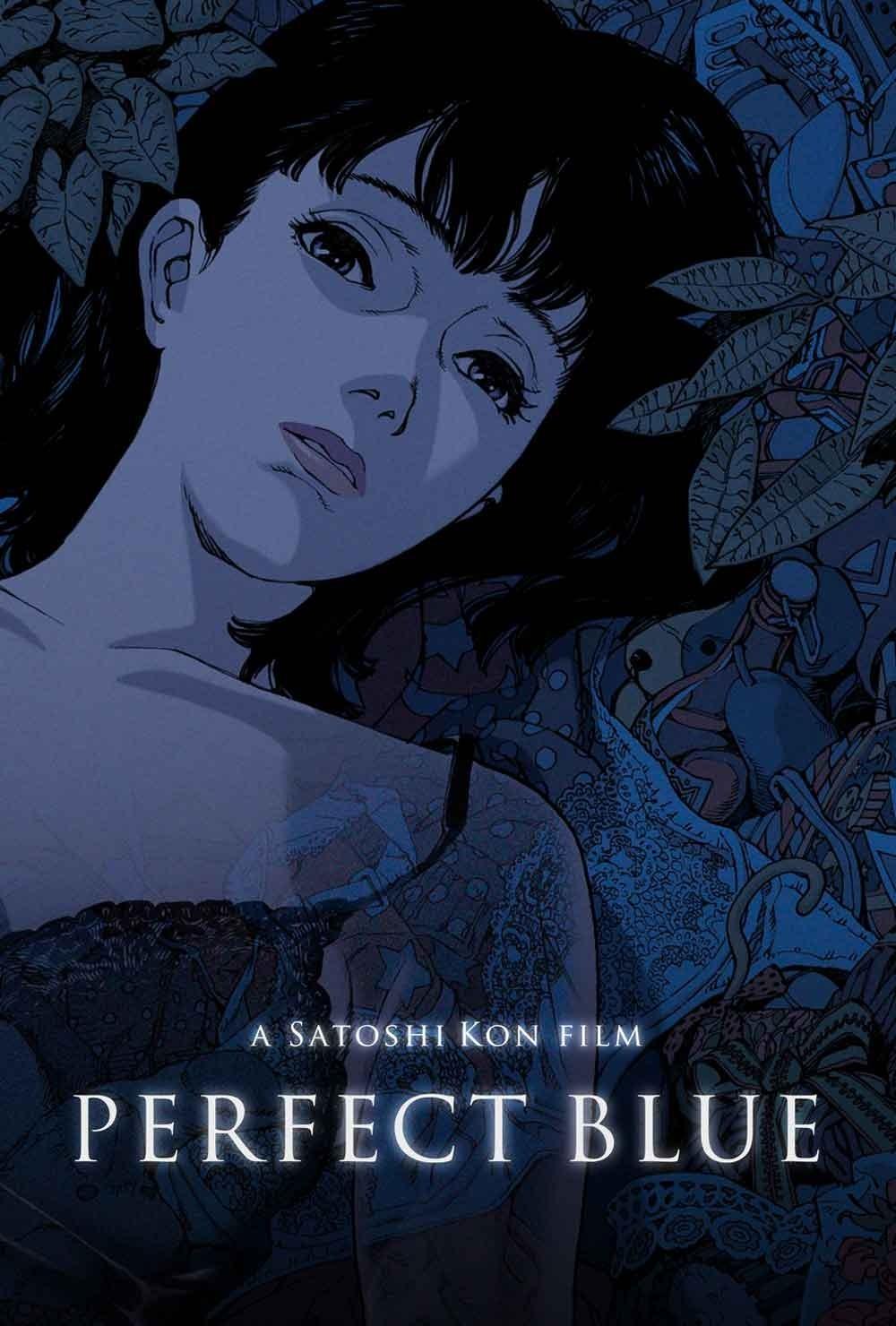
Master animator Satoshi Kon’s masterpiece, Perfect Blue, returns to The Frida’s screen for some well-deserved encores! If you missed it the first time around, come see this amazing restoration from our friends at GKIDS on the big screen!
Former pop idol Mima Kirigoe (voiced by Junko Iwao) leaves her idol group to pursue acting. But as she trades microphones for movie sets, the lines between her past and present blur: a mysterious website chronicling her every move appears, an obsessed fan creeps closer, and the roles she plays begin to swallow who she thought she was. The camera follows Mima into a mirror-maze of perception and performance, where even the reflection cannot be trusted.
Rich with acute unease, Perfect Blue remains a landmark of adult animation—its influence stretching from horror to cinema and animation alike. With every cut-frame and every whispered echo, it undermines the fantasy of stardom and forces the audience to ask: Who am I when they’re watching?
Read More
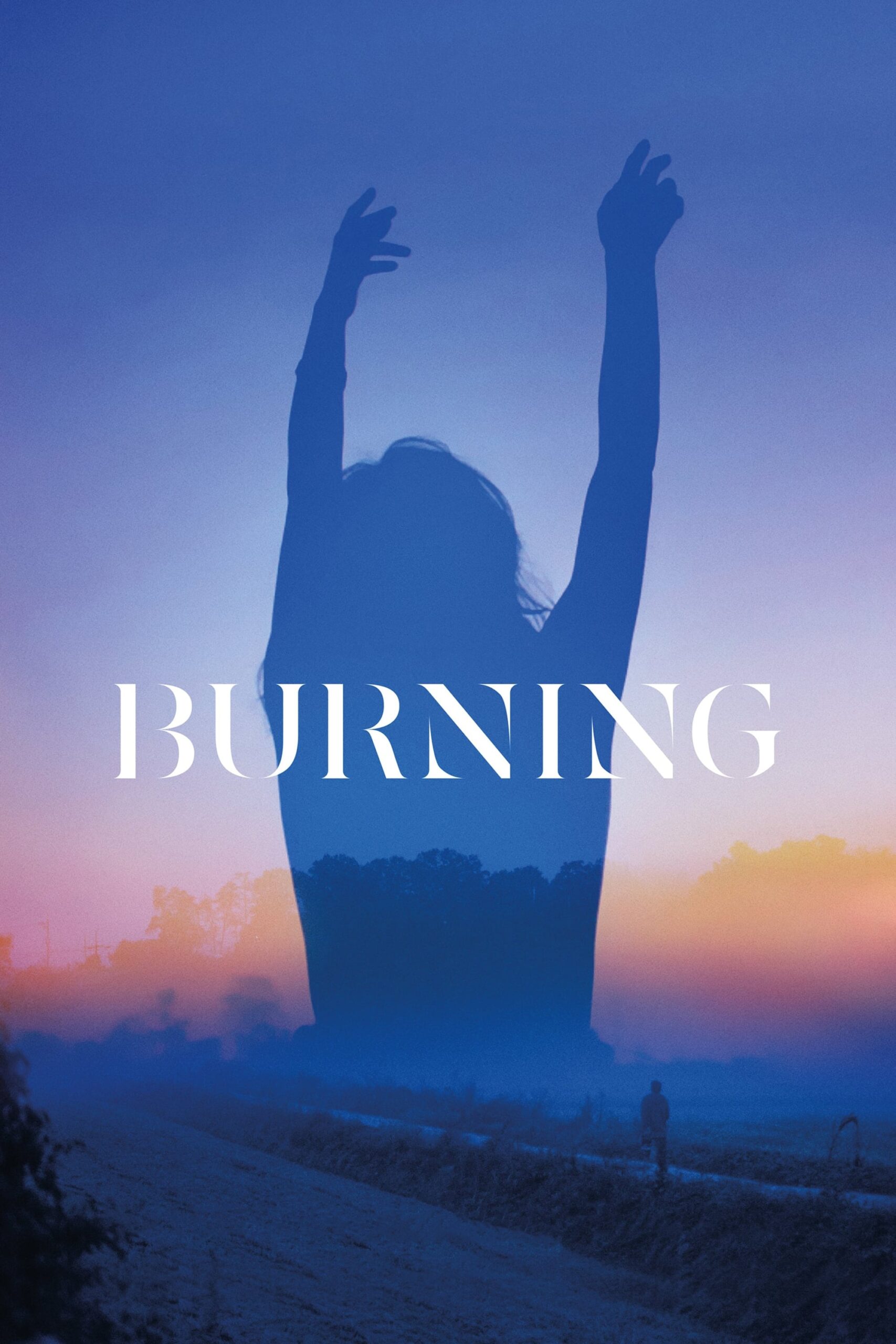
From acclaimed director Lee Chang-dong (Poetry, Secret Sunshine) comes Burning, our first Volunteer Of The Month pick for November, thanks to our friend Eugene!
When aimless delivery worker Jong-su (Yoo Ah-in) reconnects with a spirited young woman from his past (Jeon Jong-seo), their brief spark is interrupted by the arrival of Ben (Steven Yeun), her wealthy and enigmatic new friend. What begins as a quiet love triangle unfolds into a haunting mystery of class, longing, and the invisible rage simmering beneath modern life.
Adapted from a Haruki Murakami short story, Burning builds its tension like a fever dream. With its stunning performances an an ending that ignited endless debate, it’s a masterwork of ambiguity and unease.
Read More
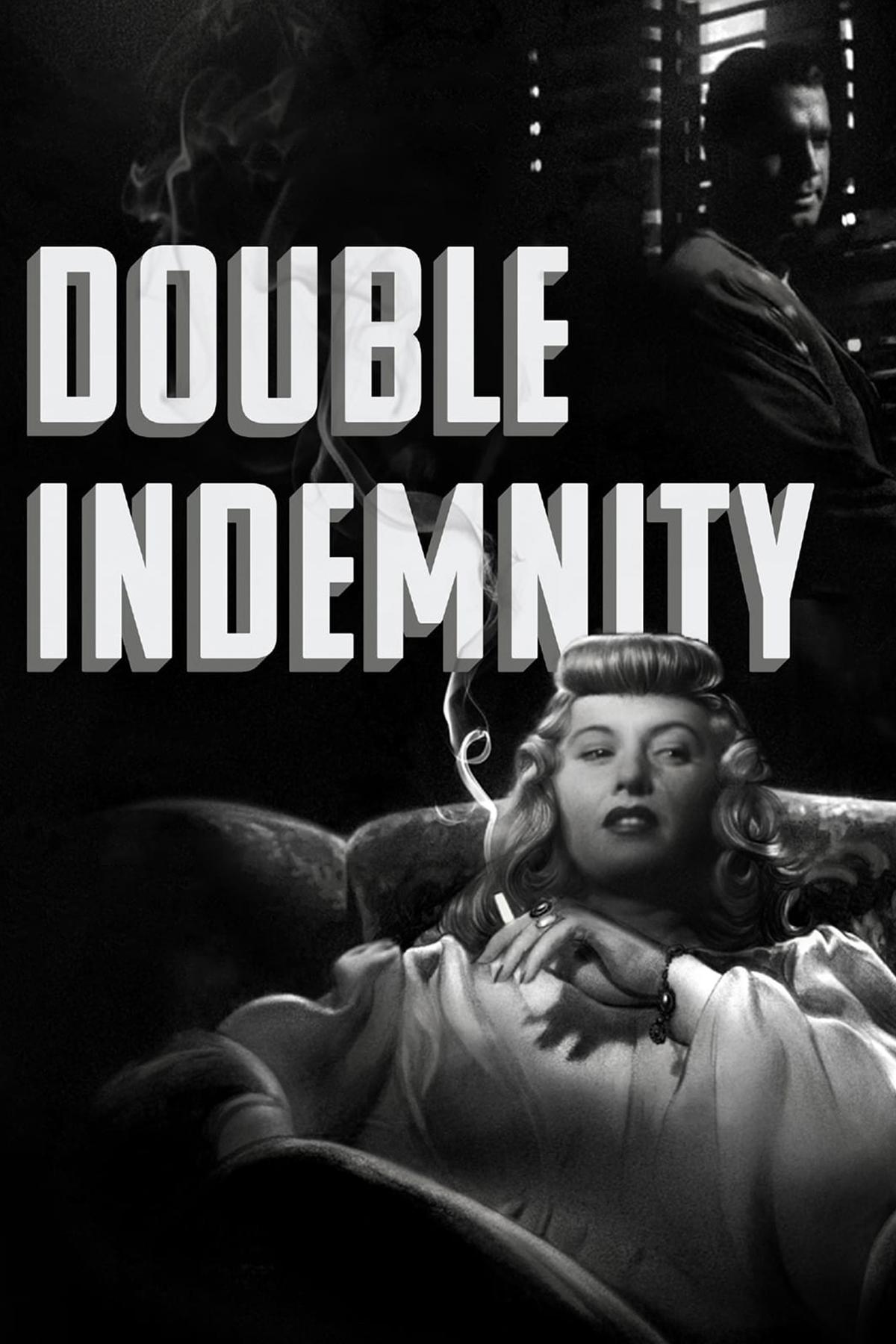
Murder. Lust. Insurance. The perfect crime? Billy Wilder’s Double Indemnity, the film that defined film noir, is our Page To Screen pick for November!
Fred MacMurray stars as Walter Neff, a slick insurance salesman whose routine pitch turns deadly when he meets Phyllis Dietrichson (Barbara Stanwyck, all anklet and ice). Together they hatch a plan to kill her husband and collect on his policy—simple on paper, until suspicion, guilt, and one relentless claims adjuster (Edward G. Robinson) start to close in.
Written by Wilder and Raymond Chandler from James M. Cain’s pulp novel, Double Indemnity is a razor-sharp descent into desire and doom, crackling with hard-boiled dialogue and the most lethal femme fatale in film history.
Read More
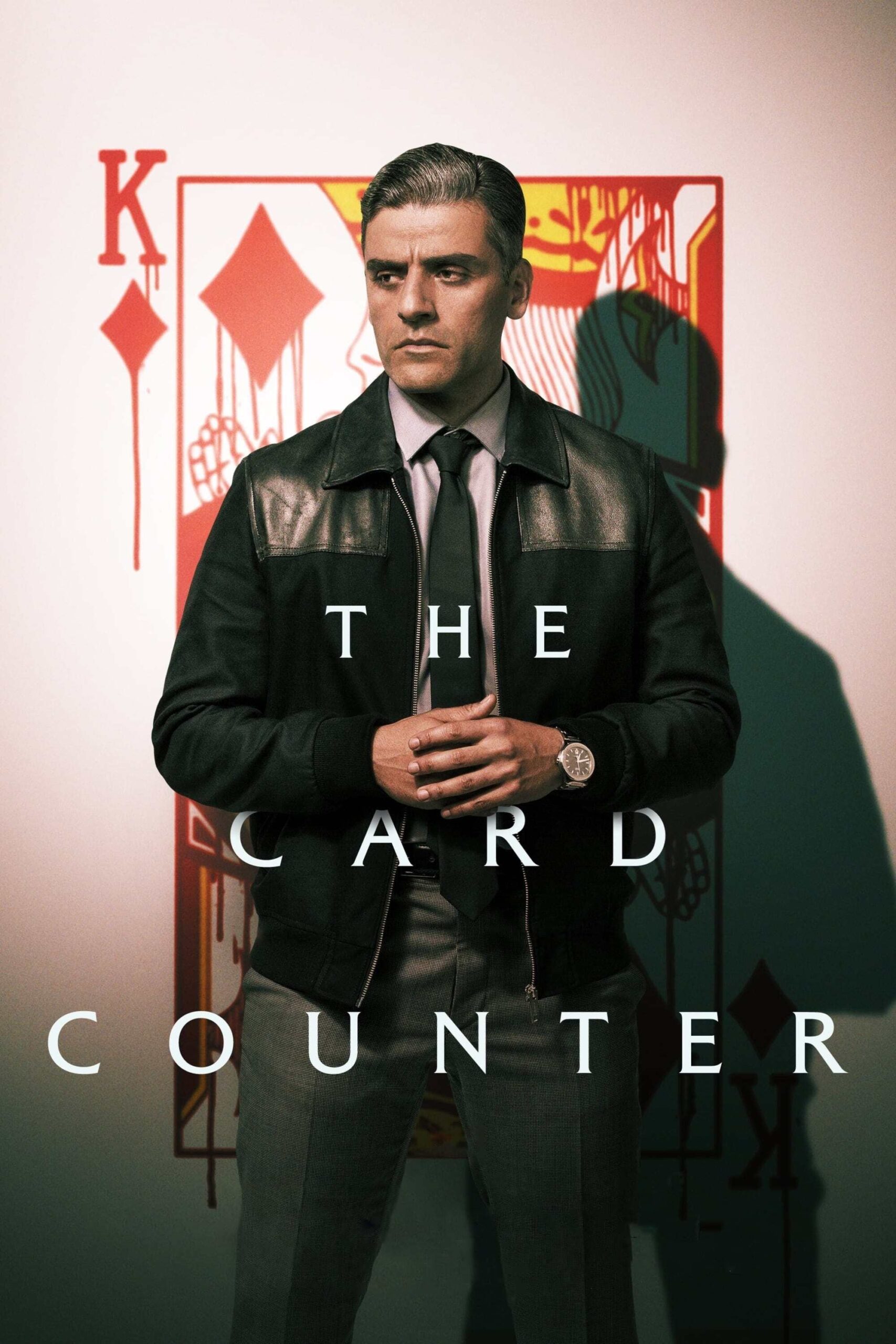
Place your bets. Paul Schrader’s The Card Counter returns to The Frida as our first Volunteer Of The Month pick—this one courtesy of Jonathan!
William Tell just wants to play cards. His spartan existence on the casino trail is shattered when he is approached by Cirk, a vulnerable and angry young man seeking help to execute his plan for revenge on a military colonel. Tell sees a chance at redemption through his relationship with Cirk. But keeping Cirk on the straight-and-narrow proves impossible, dragging Tell back into the darkness of his past.
Produced by Martin Scorsese and written and directed by Schrader (First Reformed, Hardcore, American Gigolo), The Card Counter is a simmering psychological thriller where every move feels like penance.
Read More
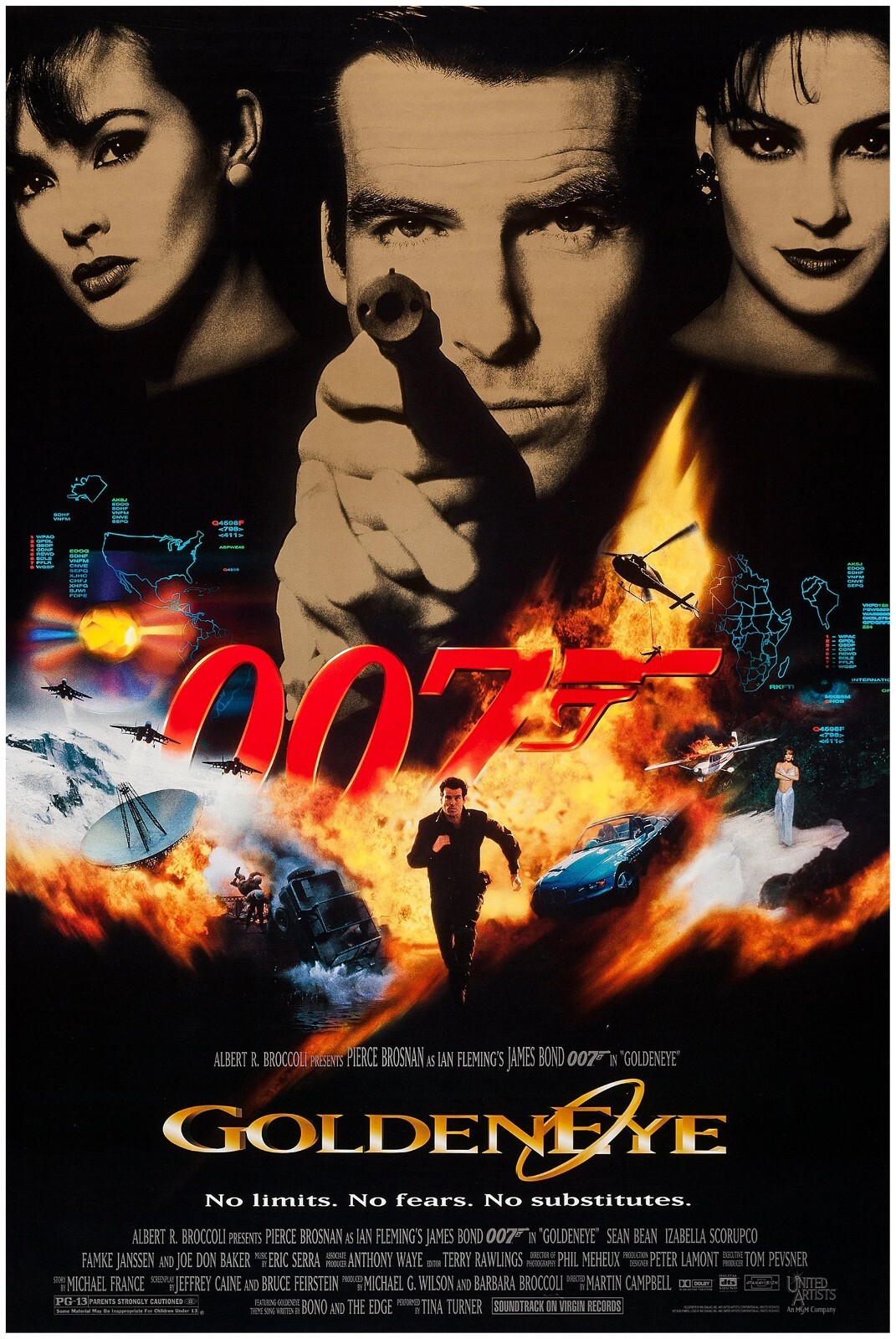
You know the name. You know the number. Thirty years after it reignited the 007 legacy, GoldenEye is returning to our screens in explosive style!
Pierce Brosnan makes his electrifying debut as James Bond in this sleek, adrenaline-fueled reinvention of the world’s most famous spy. When a rogue agent from Bond’s past, Alec Trevelyan (Sean Bean), resurfaces with control of a devastating satellite weapon, the stage is set for globe-trotting espionage, high-octane chases, and some of the most iconic stunts of the series—including a tank plowing through St. Petersburg.
With its pulse-pounding score and unforgettable villains (Famke Janssen’s scene-stealing Xenia Onatopp!), and a perfectly suave turn from Brosnan, GoldenEye didn’t just revive the Bond franchise—it redefined it for a new generation. Not to mention…that Nintendo 64 game!
Read More